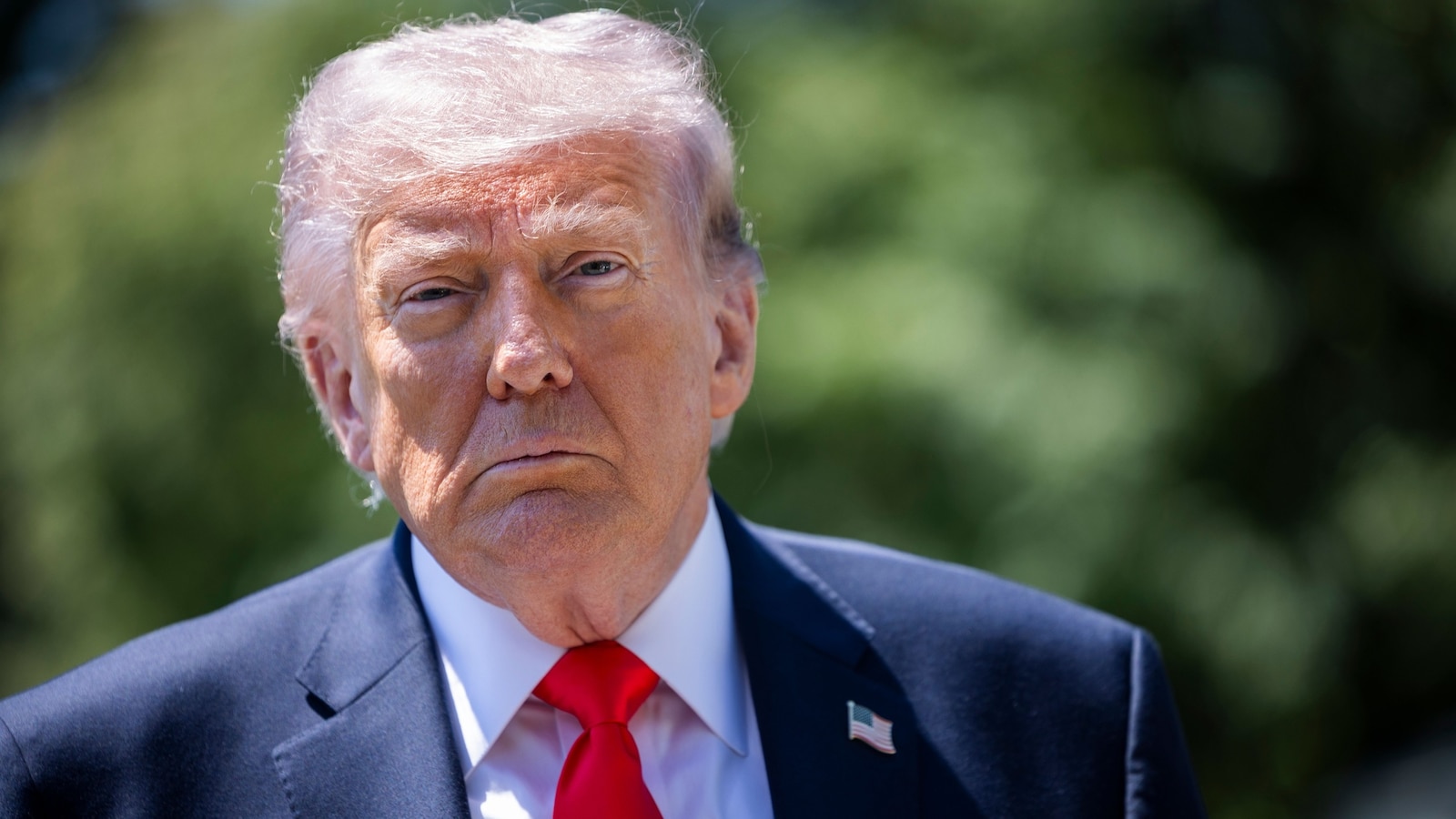
The ABC/Washington Post/Ipsos poll shows Trump at 37% approval and 62% disapproval, while two-thirds of Americans say the country is headed in the wrong direction and Democrats hold a 5-point lead in the midterm vote. Trump is deeply underwater on the economy (65% disapprove), inflation (72%), cost of living (76%) and Iran policy (66%), with majorities also opposing key administration policies including higher defense spending, ending birthright citizenship and cutting medical research funding. The findings point to heightened political risk around fiscal, energy and geopolitical policy as inflation and oil prices remain elevated.
This is less a clean anti-incumbent shock than a broadening of policy fatigue, and that matters for positioning. The market read-through is not just weaker approval for the White House; it is a higher probability of legislative drift, with fiscal priorities becoming noisier, harder to sequence, and more vulnerable to intra-coalition bargaining. That tends to favor sectors with direct federal support or appropriations visibility while penalizing names dependent on smooth execution of procurement, reimbursement, or regulatory timelines.
The most important second-order effect is that “wrong direction” sentiment plus oil sensitivity compresses the policy window for aggressive spending narratives. If energy costs stay elevated, voters’ tolerance for defense, immigration enforcement, and industrial-policy outlays falls fast, which raises the odds of stop-start budget negotiations rather than durable expansion. That is bearish for long-duration beneficiaries of public spending and for anything trading on multiple expansion from a cleaner macro backdrop.
The polling also suggests the opposition’s advantage is real but not yet decisive, which is a classic recipe for option value around event risk rather than a straight-line trend trade. The gap between voter frustration and party trust remains wide, implying policy reversal risk is meaningful but not imminent; over the next 1-3 months, headlines can still whipsaw on geopolitics or court outcomes. The tradeable edge is in owning convexity around the places where sentiment is misaligned with actual budget mechanics, especially where the market is underpricing the chance of delayed implementation rather than outright cancellation.
AI-powered research, real-time alerts, and portfolio analytics for institutional investors.
Request DemoOverall Sentiment
moderately negative
Sentiment Score
-0.45
