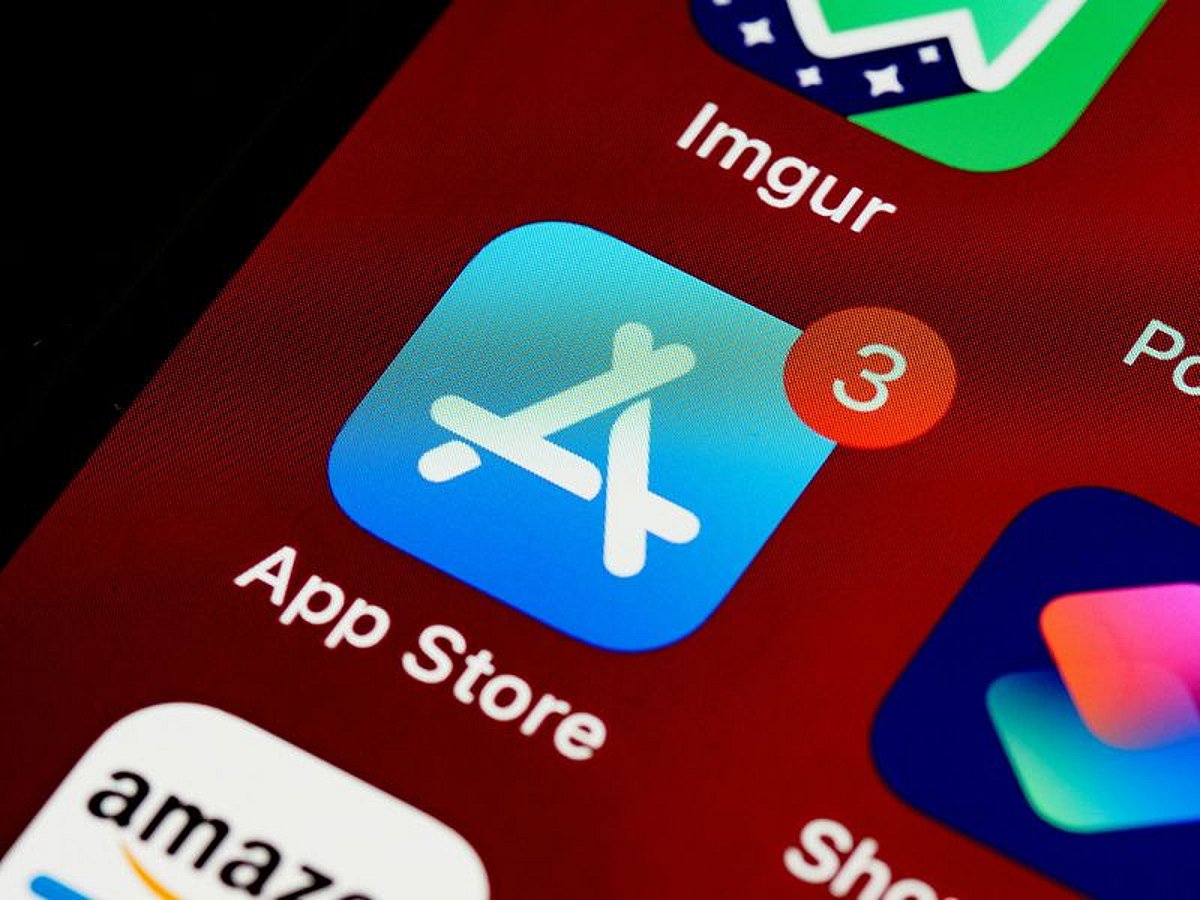
Apple is introducing a new App Store billing model that lets developers offer monthly payments for subscriptions with a 12-month lock-in, effectively spreading annual pricing over 12 installments. The feature is already available in developer testing via App Store Connect and Xcode, with broader rollout expected with iOS 26.5 next month, though not initially in the U.S. or Singapore. The change could improve developer retention and make discounted annual plans more accessible to users, but it also increases subscription lock-in.
This is a subtle but meaningful monetization optimization for Apple’s platform: it should raise conversion on higher-ticket annual plans without materially increasing sticker shock, which can lift gross subscription billings even if headline pricing is unchanged. The biggest second-order winner is not Apple’s take rate per se, but developers with high repeat-use, low-churn apps where the discount-to-monthly ARPU tradeoff was previously blocked by upfront payment friction. That likely helps subscription-heavy verticals such as creative tools, fitness, language learning, and premium utilities more than broad consumer apps with weaker retention.
For Adobe, the read-through is modestly positive because it validates the “annual commitment, monthly financing” model at the consumer edge, reinforcing a pricing architecture Adobe already uses. The real competitive implication is on smaller app vendors: those with decent retention can now compete more effectively against freemium alternatives by lowering checkout friction, while weak apps risk seeing churn deferred rather than eliminated. Apple also strengthens its control over billing UX, which could incrementally improve platform economics and reduce refund disputes, but it may also attract more regulatory scrutiny if the structure is seen as nudging users into harder-to-exit commitments.
The key risk is that this becomes a churn-management tool rather than demand creation: users may accept monthly installments initially, then cancel at renewal, limiting lifetime value gains. Another risk is geographic fragmentation if U.S. rollout remains delayed, which would cap near-term impact and keep the feature from moving Apple aggregate services revenue in a visible way over the next quarter. The market may be underestimating the long-tail effect on subscription density: even a low-single-digit increase in paid conversion across App Store subscriptions can compound meaningfully over 12-24 months, but the effect is unlikely to be a near-term earnings catalyst.
Consensus seems to be treating this as a pure UX tweak; the more important angle is that Apple is normalizing financialization of app subscriptions, which should lift price elasticity on the margin and deepen ecosystem lock-in. That is constructive for Apple’s services mix, but only incrementally so, and not enough to justify a major re-rating on its own. The better expression is a relative-value trade on monetization beneficiaries versus firms that rely on frictionless month-to-month cancellation behavior.
AI-powered research, real-time alerts, and portfolio analytics for institutional investors.
Request DemoOverall Sentiment
mildly positive
Sentiment Score
0.20
Ticker Sentiment
