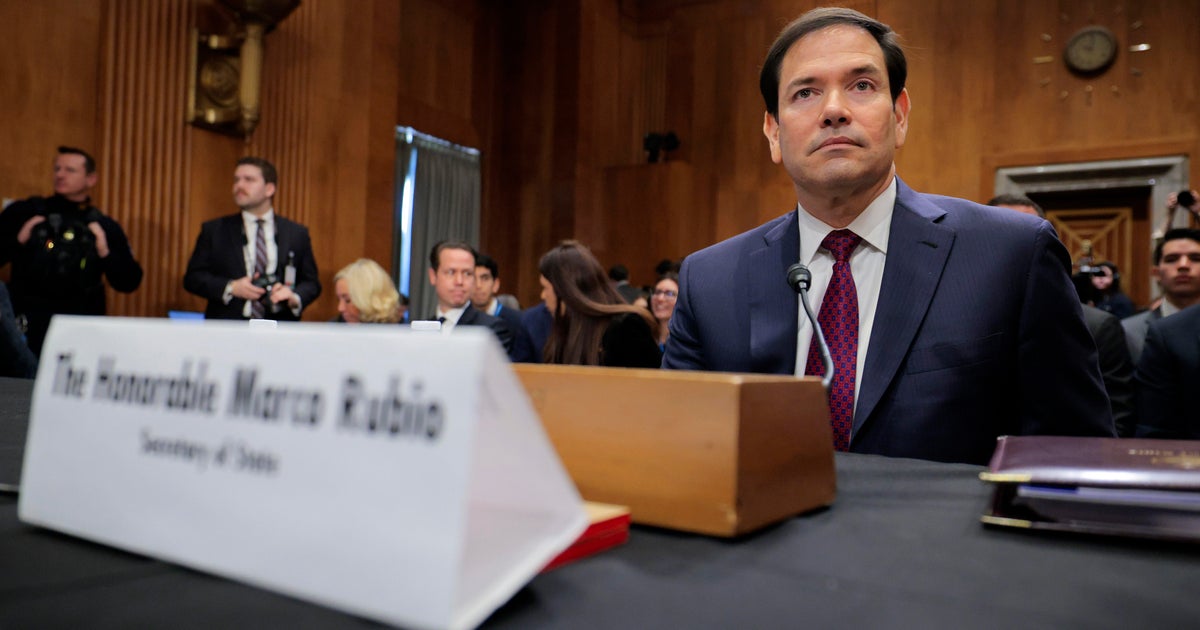
Secretary of State Marco Rubio testified to the Senate Foreign Relations Committee outlining U.S. policy after the capture of Nicolás Maduro, emphasizing a transitional aim toward a friendly, democratic Venezuela while warning the U.S. is “prepared to use force” if needed. Rubio signaled expectations that interim leader Delcy Rodríguez will grant American firms preferential oil access and stop shipments to adversaries, while asserting there are currently no U.S. ground forces in Venezuela; lawmakers pressed on War Powers compliance and broader allied fallout from the administration’s actions. The testimony, set against at least 35 U.S. strikes on alleged drug-smuggling boats (126 reported killed) and a regional military buildup (~15,000 troops, a dozen Navy ships), raises sustained geopolitical and energy-market risk and continued congressional scrutiny that could affect sanctions, trade dynamics, and investor positioning in energy and emerging-market exposures.
Market structure: The US removal of Maduro and stated US intent to prioritize preferential access to Venezuelan oil is a short-to-medium-term bullish shock to global crude risk premia but a long lead-time for supply restoration (likely 6–24 months to restore >500 kb/d). Near term (days–weeks) expect 3–8% upside pressure on Brent/WTI on conflict premium and disruption risk; energy majors (XOM, CVX, OXY) gain pricing power while PDVSA-linked suppliers remain impaired. Cross-asset: rising oil + risk-off lifts the USD and gold, compresses EM FX, and pushes USTs bid (10y yield down ~10–30bp in a shock), while raising energy equities IV and oil options skew.
Risk assessment: Tail risks include kinetic escalation with Russia/China or blockade of shipping lanes causing crude spikes >$90/bbl (low prob <15% over 6 months, high impact). Immediate (days) volatility around follow-up strikes; short-term (weeks–months) political friction and sanctions regimes that restrict non-US firms; long-term (quarters–years) structural shifts as US companies negotiate access and rebuild Venezuelan infrastructure. Hidden dependency: Venezuela’s production hinge on capital/investment and debt/contract certainty — preferential access may take policy windows and >$20bn capex. Catalysts: congressional war-powers rulings, oil inventory reports, and announcements of US oil deals (monitor next 30–90 days).
Trade implications: Tactical overweight energy equities and oil call spreads for 1–3 month convexity; favor integrated majors (CVX, XOM) over independents exposed to Venezuelan operational risk (OXY mixed). Hedge with small long gold (GLD) and US Treasuries (IEF/TLT) sized to protect portfolio drawdowns >3% over 30 days. Options: buy 1–3 month call spreads on XLE or CVX (5–15% OTM) to capture upside with defined risk; consider buying oil volatility (OVX-related products) if ship interdictions continue.
Contrarian angles: Consensus assumes rapid US control equals quick Venezuelan output recovery — that is likely overoptimistic; restoration of >300–500 kb/d will take 12–24 months and substantial capital, so energy equities could mean-revert after an initial pop. Market may underprice sustained defense/contractor wins and sanctions-driven reshuffling of oil customers; look for select swings where defense names (LMT, RTX) rerate on multi-quarter budget extensions. Historical parallel: 2003 Iraq showed initial oil spike then slow production normalization; position with convex instruments, not outright long cash exposure.
AI-powered research, real-time alerts, and portfolio analytics for institutional investors.
Request DemoOverall Sentiment
moderately negative
Sentiment Score
-0.40
