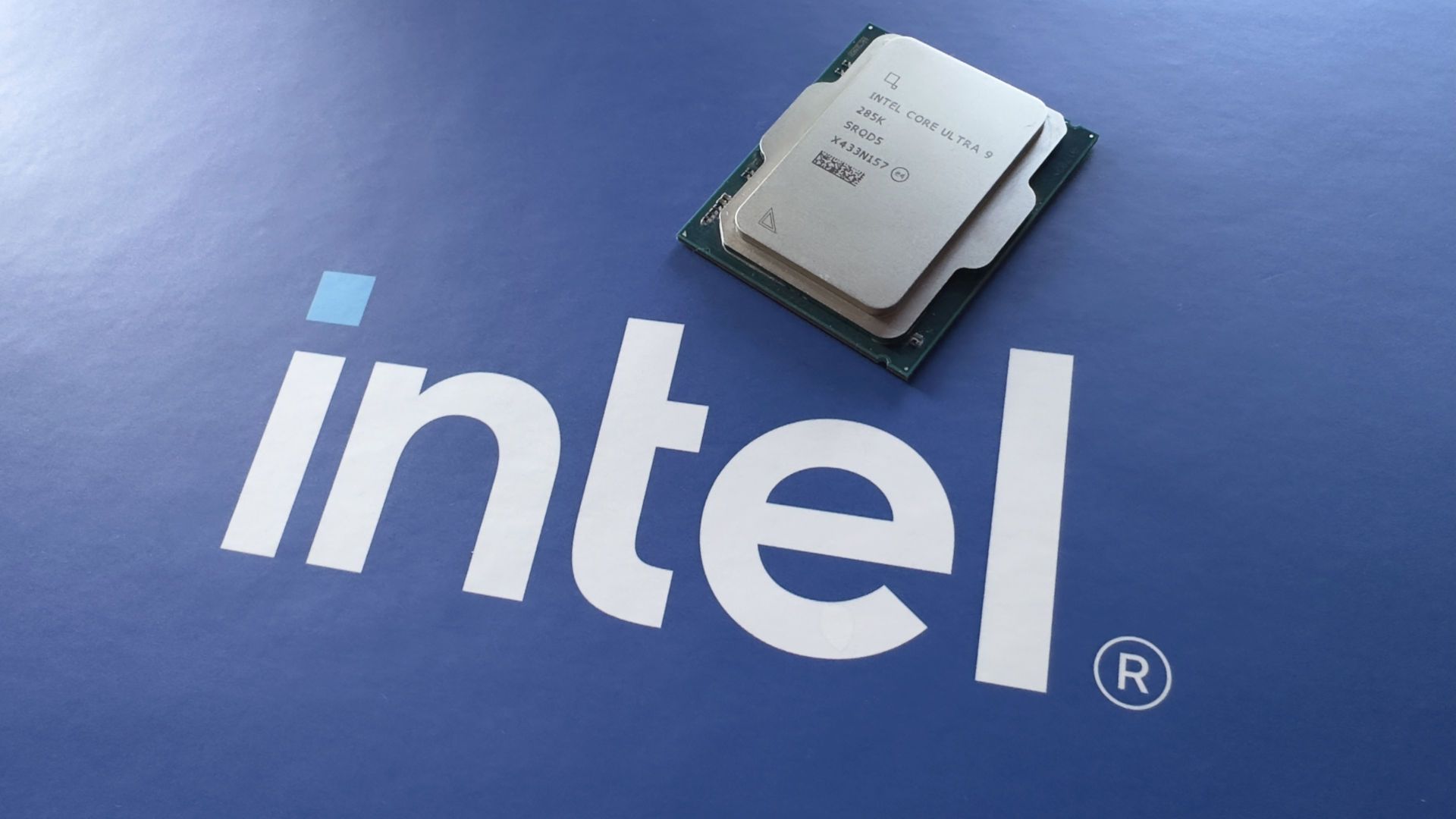
Intel is reportedly exploring a shift from its hybrid P‑core/E‑core architecture to a single 'unified core' design, with a spotted Intel job listing for a senior CPU verification engineer on a "Unified Core design team" cited alongside reporting from Fudzilla. Industry chatter pins a potential transition to the Titan Lake family after upcoming Nova Lake and Razer Lake launches, but production timelines—if the design is adopted—are likely distant (2028–2030+), with expected benefits including simpler scheduling and improved performance‑per‑area on constrained die budgets.
Market structure: A shift from hybrid P-/E-core to a unified core favors Intel (INTC) long-term if it achieves higher performance-per-mm^2 and scheduler simplification; OEMs like HP (HPQ) benefit from simpler SKUs and lower validation costs. Competitors (AMD, NVIDIA) win if Intel’s transition is delayed or yields are poor—market share could swing by several percentage points in client CPU shipments over 2–4 years. Cross-asset: sustained capex for new core designs raises credit/IG issuance for fabs and could pressure near-term cash flows; expect increased INTC equity vols and steeper term premia in corporate debt if timelines slip.
Risk assessment: Tail risks include catastrophic design/yield failure or a multi-year software ecosystem mismatch, which could erase >30% of projected upside and trigger accelerated share loss; regulatory actions are low probability but material if tied to foundry/partner deals. Time horizons: immediate (days) — rumor-driven vol and headline risk; short-term (3–12 months) — hiring/roadmap signals and Nova/Razer Lake cadence; long-term (2028+) — production deployment and customer adoption. Hidden dependencies: success hinges on compiler/OS scheduler support and third-party ISV tuning; memory price cycles (DRAM) will amplify PC demand elasticity.
Trade implications: Direct plays should be horizon-aligned—INTC is a tactical buy for 12–36 months if you believe execution: size 2–3% portfolio long, financed via 18–24 month call spreads (buy 24-month LEAP 30% OTM, sell 30% higher strike) to cap cost. Pair trade: long INTC (2%) / short AMD (2%) over 12–24 months if Intel signals working silicon by mid-2026; unwind if INTC misses two consecutive roadmap milestones. Options: sell short-dated (0–90d) premium around quarterly prints and buy longer-dated protection (9–12m 15% OTM puts) to limit tail loss.
Contrarian angles: Consensus underestimates execution complexity—if Intel actually consolidates cores it could re-open a 10–20% TAM for low-power laptops by 2029 due to density gains; conversely the market may be pricing too much binary risk into INTC options today. Historical parallel: Intel’s Pentium-to-core transitions show multi-year revenue troughs before share recovery—expect a similar 12–36 month volatility window. Unintended consequence: a unified core could accelerate ARM/Apple adoption if Intel stumbles, so hedge with 0.5–1% exposure to ARM-native winners or long-term NVDA/ARM plays.
AI-powered research, real-time alerts, and portfolio analytics for institutional investors.
Request DemoOverall Sentiment
neutral
Sentiment Score
0.12
Ticker Sentiment
