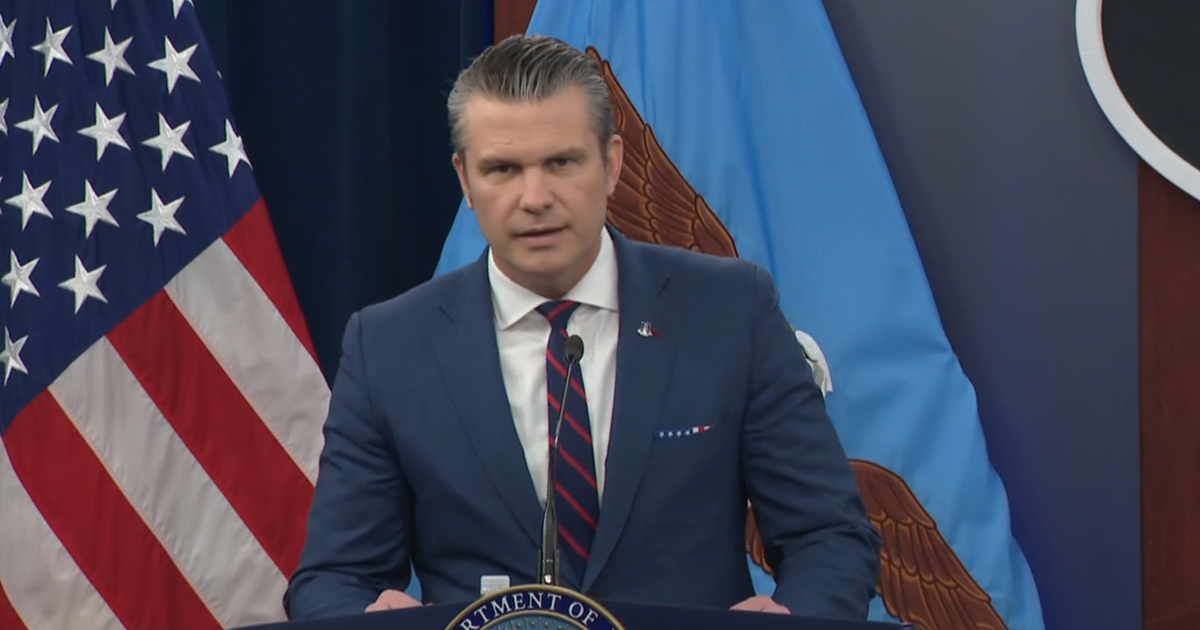
U.S. and Israeli forces launched a major coordinated military operation against Iran described by Defense Secretary Pete Hegseth as "laser-focused" to destroy Iranian missiles, missile production, naval and security infrastructure; Iranian Supreme Leader Ayatollah Ali Khamenei was reportedly struck and killed. The Pentagon reported four U.S. service members killed (with three U.S. F-15s downed in a friendly-fire incident over Kuwait) while Iranian sources report hundreds of domestic fatalities; President Trump said the campaign could last "four weeks or less" but warned of possible additional U.S. casualties. The operation significantly raises regional escalation risk and is likely to drive risk-off market moves, potential oil-price spikes and heightened volatility across macro and defense-sensitive assets.
Market structure: A kinetic US–Iran confrontation (and reported killing of Iran’s supreme leader) is a clear near-term positive for defense primes (LMT, RTX, NOC) and global energy suppliers (XOM, CVX, SLB) via higher defense budgets and oil risk premia; airlines (JETS, UAL, AAL), tourism and Middle‑East-exposed shipping names (NAT) are immediate losers. Energy supply risk (Strait of Hormuz, insurance/OSV reroutes) will push Brent/WTI vol and raise short-dated commodity forward curves by +10–30% within days if strikes intensify. Financial plumbing: safe-haven flows should bid 2s/10s lower (TLT bid) and lift USD and gold (GLD) as risk-off dominates options skew.
Risk assessment: Tail risks include full regional escalation, closure of Hormuz (Brent > +30% in 7–14 days), or retaliatory attacks on GCC oil infrastructure; conversely de‑escalation within 1–4 weeks would produce rapid mean reversion. Hidden dependencies: insurance premium spikes, bunker fuel re-routing costs, and sanctions on shipping/port authorities could reduce seaborne oil throughput by 5–10% regionally even without formal export bans. Key catalysts: credible reports of Strait closures, oil stock draws >5m barrels/week, or sovereign default/funding shocks in Iran proxies.
Trade implications: Near term (days–weeks) favor 1–3% long positions in LMT/RTX funded by 1–2% shorts in JETS or UAL; buy 30–90 day call spreads on LMT/RTX to cap downside. If Brent rises >20% in 14 days, increase energy longs to 3–5% (XOM, CVX) and buy physical/ETF gold exposure up to 2–3% (GLD). Use VIX call spreads (30–60 day) sized 0.5–1% notional for portfolio tail hedging; avoid long-duration cyclical consumer names and reduce EM exposure by 2–4% until clarity.
Contrarian angles: Consensus may overpay for defense duration and energy cyclicality — history (1990 Gulf War, 2019 Iran tensions) shows oil spikes often mean-revert in 2–6 months as non‑OPEC production and SPR releases normalize markets; if hostilities remain limited, LMT/RTX could lag despite headline flows. Monitor oil inventories, Strait transit counts, and CDS on GCC sovereigns — if Brent falls >15% from the post‑event high within 6 weeks, trim defense longs by half and redeploy to cyclicals at 10–15% discount to pre‑event price.
AI-powered research, real-time alerts, and portfolio analytics for institutional investors.
Request TrialOverall Sentiment
strongly negative
Sentiment Score
-0.75
