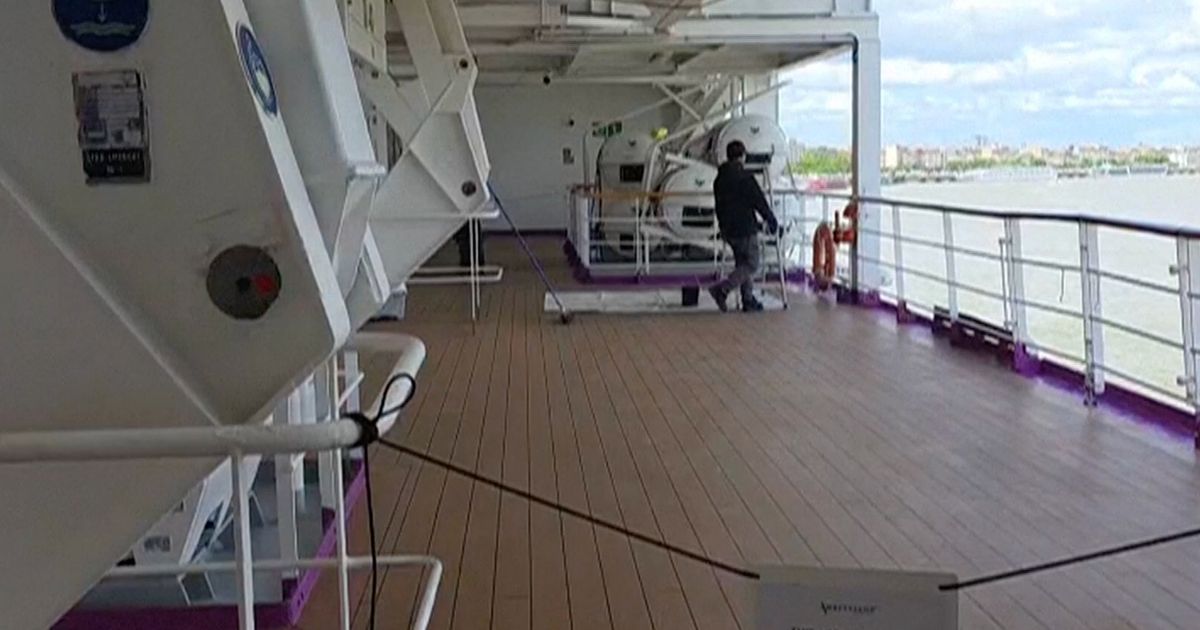
More than 1,700 passengers and crew on Ambassador Cruise Line’s Ambition were ordered to remain onboard after up to 50 people showed gastrointestinal symptoms, with shore excursions in Bordeaux canceled and disembarkation suspended. The company also disclosed that a 92-year-old passenger died, though the cause has not been established and he had not reported illness symptoms. The incident raises short-term operational and reputational pressure for the cruise operator, but appears more like a company-specific disruption than a broader market event.
This is a micro-event for the cruise sector, but it matters because the market tends to underprice how quickly health-related headlines can cascade into booking behavior. The immediate loser is the operator facing refund, cleaning, and itinerary disruption costs, but the larger second-order effect is a higher probability of collateral damage to peer names through consumer substitution: older, higher-spend travelers are disproportionately sensitive to hygiene perception, so even a single widely covered outbreak can create a short-lived booking pause across the segment.
The key question is duration. If labs confirm a routine norovirus episode and containment is clean, the equity impact should fade in days; if the situation extends into media repetition, the hit can persist for one to two booking cycles because cruise demand is purchased well ahead of sailing and confidence is fragile in the 50+ demographic. The more important risk is not direct medical liability but operational friction: port restrictions, inspections, and cabin isolation reduce capacity utilization and can force higher onboard service costs precisely when the company is trying to protect margins on a finite sailing window.
The contrarian view is that the selloff may be overdone if investors extrapolate a public-health headline into structural demand weakness. Historically, cruise operators recover quickly from localized outbreaks unless there is evidence of multi-ship spread or regulatory tightening; that makes this more of a transitory sentiment shock than a fundamental thesis break. The longer-dated bear case only becomes real if Europe’s port authorities respond by standardizing stricter pre-disembarkation screening, which would raise friction costs across the industry and pressure net yield assumptions.
This is also a reminder that health-event volatility is asymmetric for companies with concentrated customer cohorts. A brand positioned around older passengers has higher downside from fear than younger-skewing leisure travel peers, even if absolute infection counts are modest. That creates a relative-value opportunity if the market indiscriminately reprices all cruise names on a single incident.
AI-powered research, real-time alerts, and portfolio analytics for institutional investors.
Request DemoOverall Sentiment
moderately negative
Sentiment Score
-0.35
