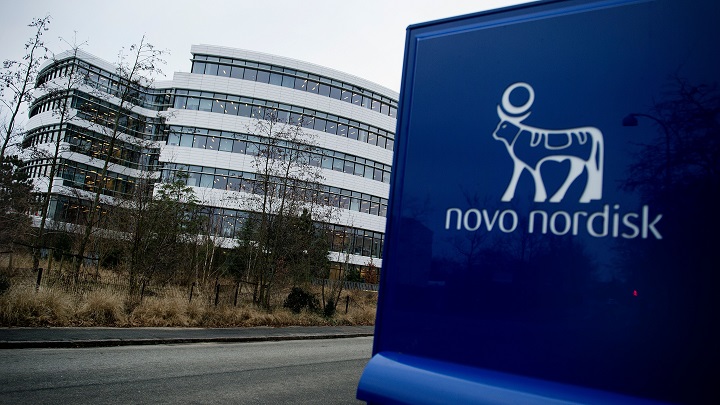
A pill formulation of Novo Nordisk’s Ozempic failed to slow progression of Alzheimer’s disease in two clinical trials, removing expectations for that potential new indication. The negative trial readout is likely to dent Novo’s longer-term pipeline upside and could pressure investor sentiment toward the company and diabetes/obesity drug peers. Market implications are company- and sector-specific rather than systemic, potentially prompting downward revisions to forecasts tied to Alzheimer’s-market assumptions.
Market structure: The readout disproportionately penalizes Novo Nordisk (NVO) equity while leaving the GLP‑1 commercial franchise largely intact; expect a 5–12% re‑rating on NVO absent offsetting guidance, while peers with stronger obesity pipelines (e.g., LLY) or diversified cash flows (JNJ, PFE) will attract relative demand. Pricing power for diabetes/obesity products remains strong, but modeled long‑term EPS CAGR for NVO should be trimmed by ~1–3 percentage points in consensus over 12–24 months, compressing multiples by ~50–150bp unless management pivots capital allocation. Cross‑asset: anticipate a 20–40% implied volatility spike in NVO options, modest widening of pharma credit spreads (10–30bp) and negligible FX/commodity effects.
Risk assessment: Tail risks include cascade of additional negative CNS reads or regulatory scrutiny that could produce an extra 10–20% downside for NVO; conversely, a rapid pivot to other indications or buyback could limit losses. Time horizons: expect knee‑jerk moves in days (3–8% swings), fundamental revisions across weeks/months, and full pipeline revaluation over 12–24 months. Hidden dependencies include payer negotiations: weaker perceived pipeline growth raises bargaining power for insurers, pressuring list price trends. Key catalysts that could reverse momentum are upcoming earnings/analyst notes (30–60 days) and competitor trial updates.
Trade implications: Initiate hedged, tactical short exposure to NVO via options rather than large outright shorts—target position size 2–3% portfolio notional and use put spreads to cap premium; rotate proceeds into LLY or JNJ (1–2% each) for defensive growth. Pair trade: short NVO equity vs long LLY (1:1 notional) to capture relative valuation gap over 3–6 months. Options: buy 3‑month NVO put spreads (e.g., −7.5% / −15% strikes) if IV <50%; consider straddle ahead of earnings if event is within 30–45 days and IV is depressed.
Contrarian angles: Consensus likely overweights the Alzheimer failure versus the cash machine from injectables—market could overdiscount NVO by 5–10% in following weeks, creating a tactical buy window. Historical parallels show biotech single‑trial shocks often mean‑revert in 3–12 months when core franchises are intact; watch for management capital reallocation (R&D focus, M&A, buybacks) as a mean‑reversion trigger. Unintended consequences include accelerated M&A or share repurchases that could support the stock within 6–18 months and blunt short returns.
AI-powered research, real-time alerts, and portfolio analytics for institutional investors.
Request DemoOverall Sentiment
moderately negative
Sentiment Score
-0.45
Ticker Sentiment
