





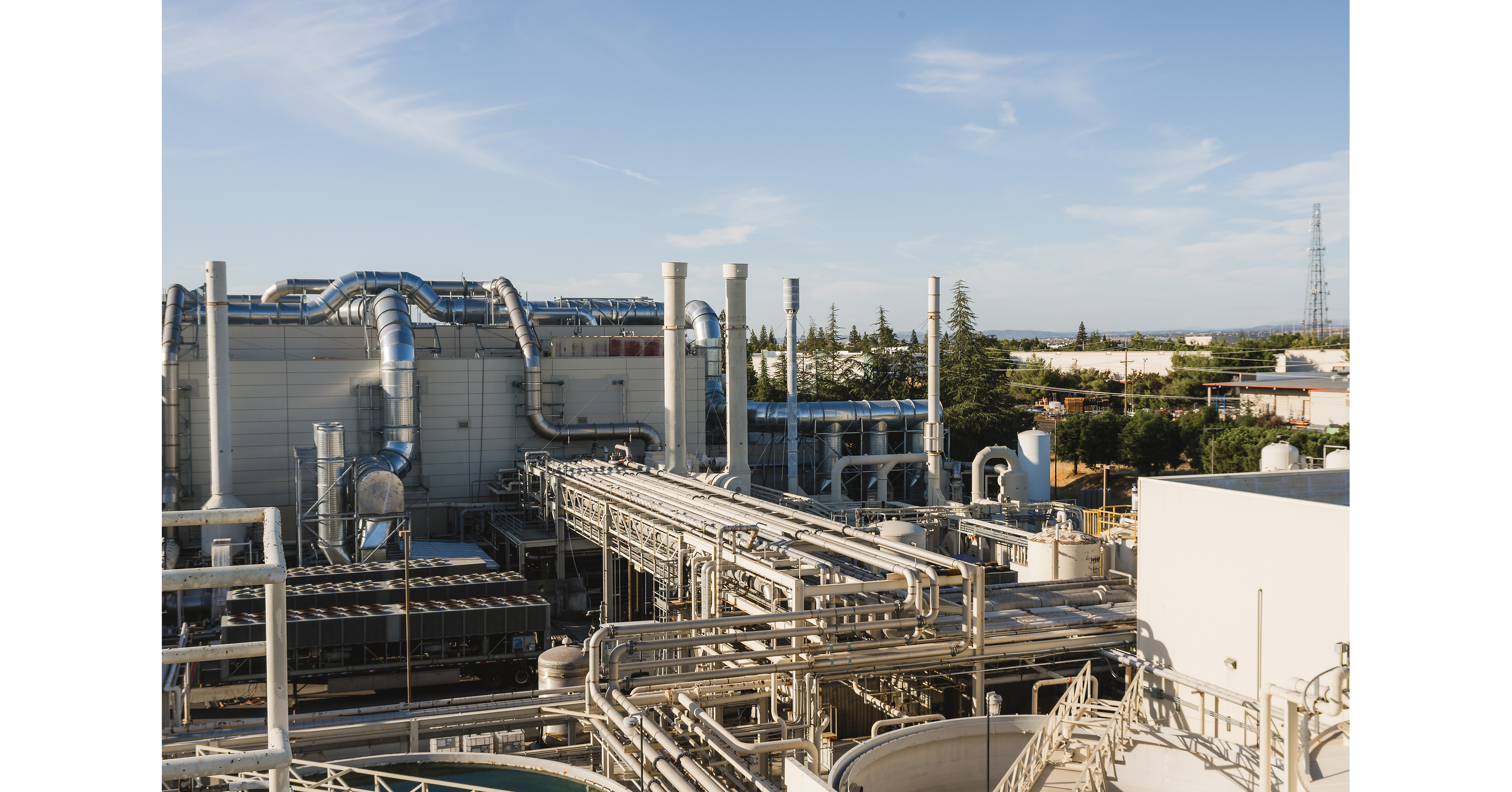
Bosch announced the start of sample production of silicon carbide (SiC) chips at its Roseville, California site, alongside a Commerce Department agreement to localize U.S.-based manufacturing. The initiative follows Bosch’s Roseville wafer fab asset acquisition (closed Aug 2023) and is supported by a $25 million California Competes Tax Credit incentive, with Bosch planning up to $7.5B of U.S. investment over five years. Bosch has delivered 60M+ SiC chips since first generation production in 2021, and it plans to produce third-generation SiC chips in Roseville (up to 20% higher performance) to strengthen domestic supply chain resiliency for EVs, energy, and defense.
This is more a supply-chain de-risking event than an immediate earnings catalyst. The real economic value sits with OEMs that can translate guaranteed SiC access into fewer line stops, faster platform qualification, and better vehicle efficiency economics; that favors scaled players more than aspirational EV brands. Ford is the cleaner beneficiary because domestic sourcing can be absorbed across a larger production base, while Lucid gets symbolic support but not a fix for demand or financing risk.
The market should be careful not to extrapolate CHIPS-backed capacity into near-term SiC abundance. Domestic SiC ramps are yield-sensitive and qualification-heavy, so the first 2-4 quarters are likely to show more capex and politics than unit-cost relief. That means the biggest losers are not automakers but offshore SiC incumbents and any supplier whose moat depends on localized content scarcity; however, any pricing pressure on imports likely arrives only after evidence of actual output, not announcement flow.
Contrarian view: consensus may be too bullish on the speed and breadth of onshoring. If U.S. SiC is more expensive at the start, it can even become a margin headwind for OEMs unless they have pricing power or regulatory credits to offset it. The thesis breaks if Roseville-like ramps slip, if OEMs keep pushing EV timelines out, or if next earnings calls don’t show any improvement in supply availability, lead times, or sourcing diversity.
AI-powered research, real-time alerts, and portfolio analytics for institutional investors.
Overall Sentiment
mildly positive
Sentiment Score
0.35
Ticker Sentiment
