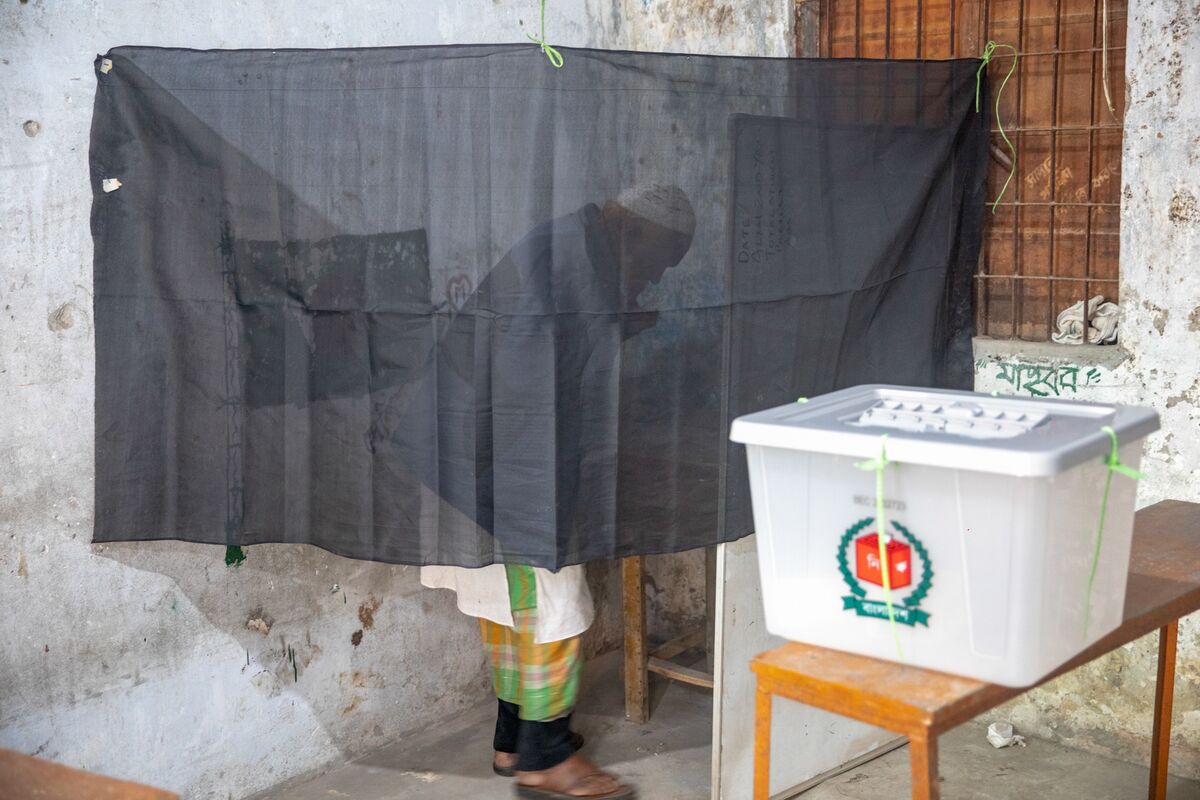
Bangladesh's interim leader Muhammad Yunus announced national elections will be held in February, a move aimed at restoring political stability following former Prime Minister Sheikh Hasina's ouster last year. This development, set against a backdrop of Hasina's 15-year rule marred by allegations of human rights violations and corruption, provides a critical timeline for assessing the nation's political trajectory and potential policy shifts.
Bangladesh's interim government has scheduled national elections for February, a critical development aimed at restoring political stability following the ouster of former Prime Minister Sheikh Hasina. This move, announced by interim leader Muhammad Yunus, provides a concrete timeline for a political transition after a 15-year period under the previous administration, which was characterized by allegations of human rights violations, electoral rigging, and corruption. The announcement introduces a period of heightened uncertainty and potential policy shifts. For investors, the mixed sentiment signal is appropriate, as the election could lead to a more stable and transparent governance framework, or it could exacerbate political tensions. The event's significance lies in its potential to alter the country's economic and regulatory landscape, making the pre-election posturing and eventual outcome a key catalyst for assets with exposure to Bangladesh.
AI-powered research, real-time alerts, and portfolio analytics for institutional investors.
Request DemoOverall Sentiment
mixed
Sentiment Score
0.00
