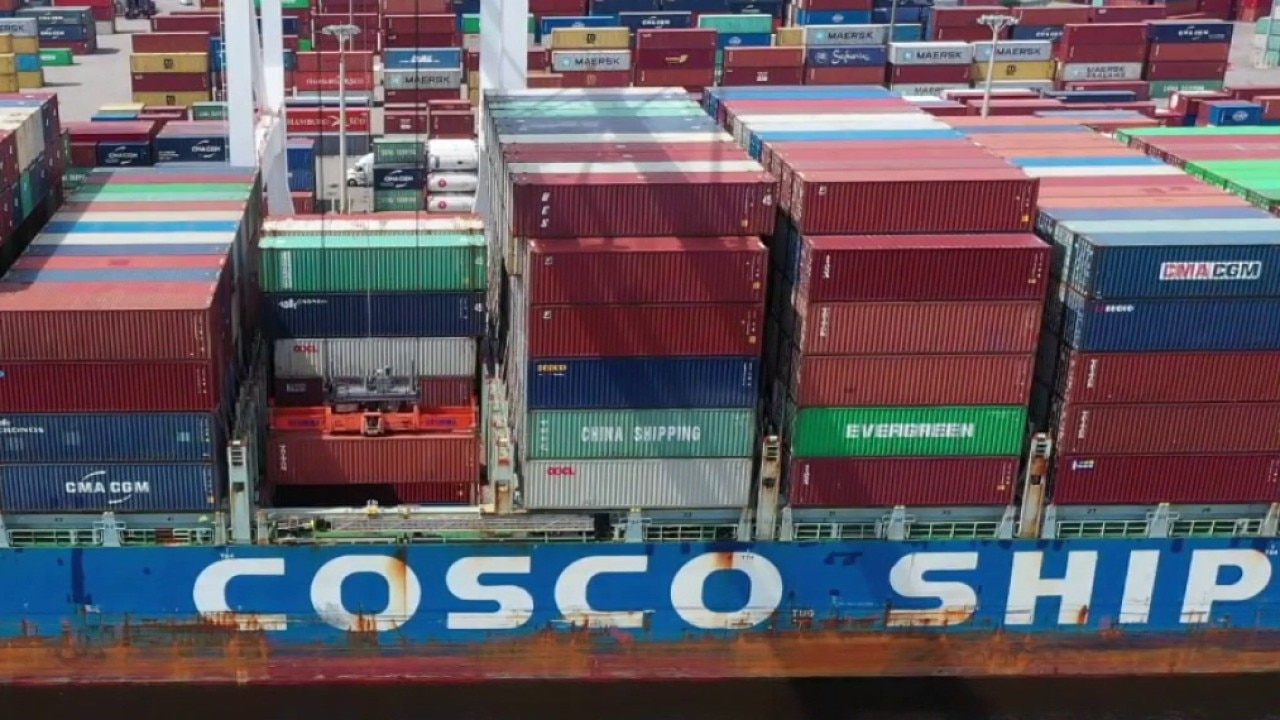
Crude oil surged to a 22-month high on Middle East fighting that has effectively stalled shipments through the Strait of Hormuz, lifting WTI to $84.13 (+4%) and Brent to $87.17 and prompting warnings that prolonged disruptions could push prices toward $150/barrel. The U.S. granted Indian refiners a 30-day waiver to buy stranded Russian cargoes as a stop-gap, while U.S. retail gasoline averages jumped roughly $0.20 to about $3.20/gal; regional nodes such as Port Tampa Bay (33 million tons moved annually and a major cruise homeport) face higher fuel costs that would raise shipping, airline and cruise operating expenses and ultimately consumer prices if disruptions persist.
Market structure: A near-term winner set includes integrated majors (XOM, CVX), midstream toll-takers (KMI, OKE) and energy ETFs (XLE, XOP) that capture a supply-disruption premium; losers are fuel-intensive travel names (UAL, RCL, CCL) and regional import-dependent hubs like Port Tampa Bay which face margin pressure from higher bunker costs. With ~20% of seaborne oil transiting the Strait of Hormuz, even partial stoppages tighten floating supply quickly; if sustained >2–4 weeks, call-case crude spikes toward $120–150/bbl (Qatar warning) would prompt visible demand destruction in transportation within 1–3 months.
Risk assessment: Tail risks include a full closure of Hormuz (low-probability, high-impact) or large-scale insurance/war-risk premium hikes that make shipping uneconomic; opposite tail is a swift diplomatic de-escalation or SPR releases that knock Brent back below $70. Time horizons matter: days for volatility and options premia, weeks for trade-lane rerouting and refining flows, quarters for capex and consumer price pass-through; hidden dependencies include rerouted Russian exports via India and shifting refinery utilization that can mask tightness.
Trade implications: Favor concentrated, time-boxed energy longs and travel shorts: buy volatility in oil (calls or call spreads on XLE/USO over 4–12 weeks) and hedge with short UAL/RCL exposure sized to expected fuel pass-through. Rotate fixed income toward short duration and inflation-protected instruments (TIP, SHV/IEF hedges) as higher oil increases CPI risk and could steepen the curve.
Contrarian angles: Consensus assumes a multi-month interruption; inventories (U.S. SPR, floating storage) and additional waivers (India) can cap spikes — this undercuts very long-dated outright longs. Consider being long energy volatility (3-month calendars) rather than large cash longs; if Brent trades >$100 for five consecutive sessions, that validates adding delta exposure; if it falls < $75 for a full week, trim energy longs aggressively.
AI-powered research, real-time alerts, and portfolio analytics for institutional investors.
Request TrialOverall Sentiment
moderately negative
Sentiment Score
-0.45
Ticker Sentiment
