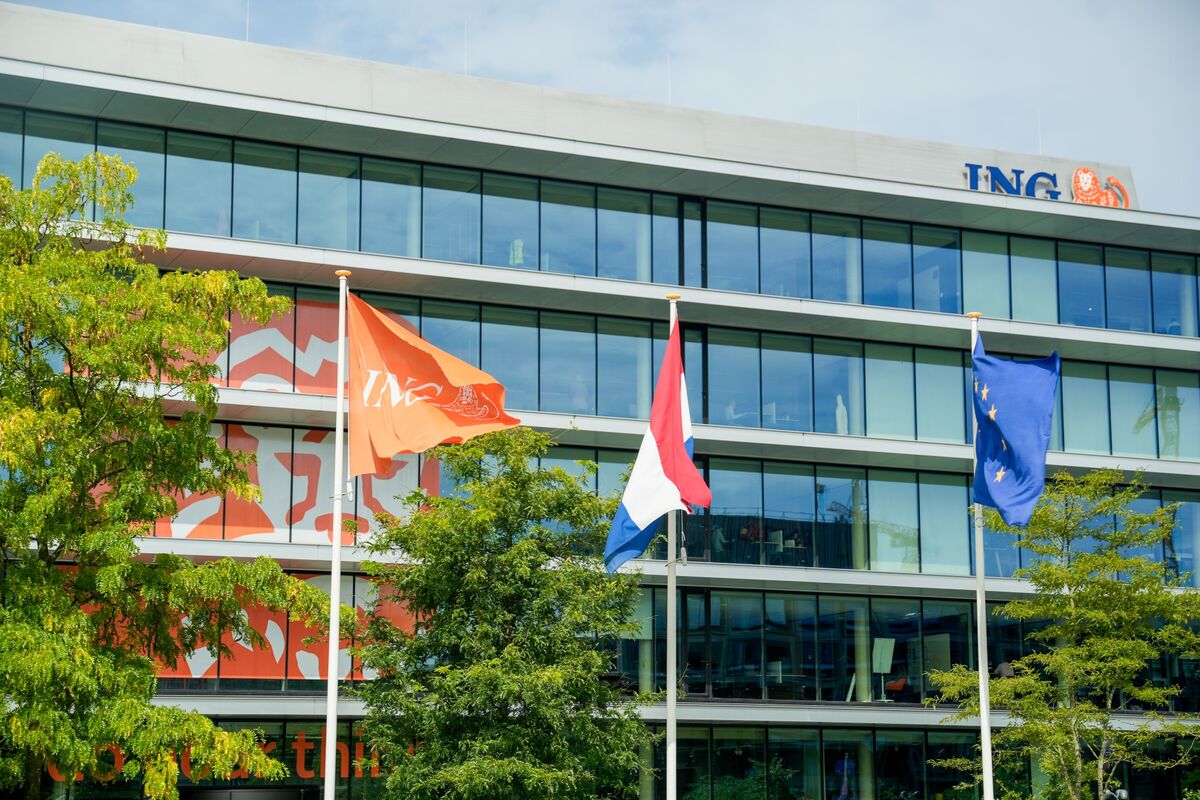
ING has launched a dedicated private markets unit within its wholesale banking division, designating the area as a “key growth” priority. The London-based unit will be led by Maarten Koning, ING’s global head of trade & commodities finance, and will oversee roughly 30 staff (planned expansion to 40) targeting alternative capital providers including private equity firms, bank-owned asset managers, sovereign wealth funds and family offices, positioning ING to capture growing flows into private markets.
MARKET STRUCTURE: ING’s move creates a clear winner in ING (INGA.AS) and the European wholesale/PE distribution ecosystem — private equity, sovereign wealth and family offices gain another conduit for origination and syndication. Expect fee-income mix to shift modestly over 12–36 months as a 30→40-person team scales; initial market-share gains will be at the expense of specialist distribution desks and some corporate lending swaps, not retail banking. Pricing power for middle-office origination fees should rise for banks that can bundle payments, FX and custody around private deals. RISK ASSESSMENT: Key tail risks are regulatory pushback on “shadow banking” (ECB/Dutch regulator could impose higher RWA or reporting in 60–180 days), operational failures in valuation/AML, and concentrated illiquid exposures that require steep markdowns in a credit shock. Short-term (days–weeks) impact is minimal; 3–12 months sees hiring/cost burn and early deals; 12–36 months determines whether this meaningfully lifts RoTE. Hidden dependency: success hinges on LP relationships and capital-light structuring — failure to keep it capital-light will strain CET1. TRADE IMPLICATIONS: Direct play is selective long ING (INGA.AS) for fee-diversification optionality; use options to control downside. Cross-asset: incremental private-credit origination can tighten corporate bond spreads (esp. EUR IG) and marginally support EUR via fee FX flows; commodity impact negligible. Catalysts: successful mandate wins, public PE partnerships, or regulatory letters within 60–120 days. CONTRARIAN ANGLES: Consensus underestimates near-term cost drag and regulatory friction — market may underprice execution risk, creating a buy-on-pullback opportunity. Historical parallel: banks that built private-asset platforms (e.g., Goldman/BlackRock tie-ups) took 12–36 months to show profit; unintended consequence is higher RWA and CET1 pressure if ING pivots to principal investments rather than agency fees.
AI-powered research, real-time alerts, and portfolio analytics for institutional investors.
Request DemoOverall Sentiment
mildly positive
Sentiment Score
0.25
Ticker Sentiment
