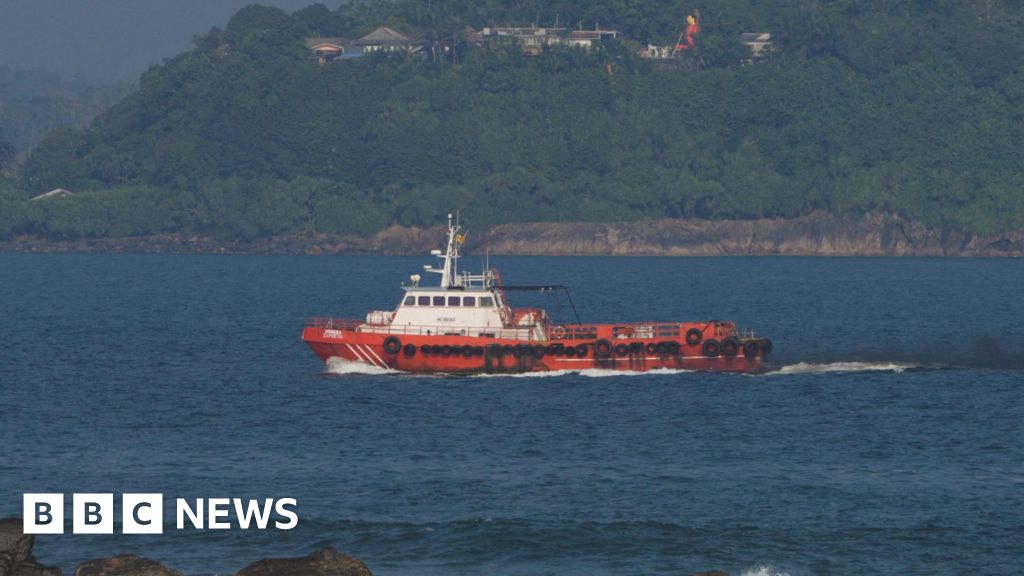
Sri Lanka seized control of the Iranian naval vessel Irins Bushehr after allowing it to dock at Trincomalee due to engine trouble, evacuating some 208 personnel and later moving crew to Colombo; the move followed a US submarine torpedo attack that sank the Iranian frigate Iris Dena about 44 nautical miles off Sri Lanka’s southern coast, killing at least 87 and leaving 32 survivors hospitalized. The events mark an escalation in the Iran–US/Israeli campaign, pose near-term risks to regional shipping lanes and Sri Lanka’s maritime industry, and complicate Colombo’s neutrality amid existing economic ties to Iran (including $250m of crude oil imports paid via tea exports) and major trade links with the US—factors likely to raise short-term risk premia in energy and logistics markets.
Market structure: Immediate winners are energy producers and tanker owners; losers are regional ports (Colombo short-term), container lines facing reroutes, and Sri Lankan sovereign credit. A localized maritime-risk premium should lift Brent/Brent-contango trade by an incremental 3–8% in 1–6 weeks and push tanker spot rates higher as owners avoid risky lanes. Cross-asset: expect USD and JPY safe-haven flows, T-note yields down short-term, gold up, and EM FX/credit (EMB-like) to underperform.
Risk assessment: Tail risks include a wider Indian Ocean interdiction or Strait of Hormuz spillover that could produce a $15–30/bbl Brent spike and a 200–400bp widening in fragile EM sovereign CDS; probability low but >5% in the next 30 days if escalation continues. Immediate (days) = volatility in energy/shipping; short-term (weeks–months) = insurance premiums and rerouting costs crystallize; long-term = higher regional defense spending and persistent shipping rate premium. Hidden dependencies: Sri Lanka’s port diversion capacity and insurance provider capacity could create 2–6 week chokepoints for container flows.
Trade implications: Tactical buy-the-shock in Brent (BNO or USO call spreads) for 2–8 week horizon; selective long exposure to tanker equities (NAT, DHT) for 1–3 months to capture rate re-pricing. Hedge portfolio tail risk with 1–2% allocation to TLT and 1% to GLD/IAU for 2–8 weeks; short EMB (or buy CDS on EM sovereigns) to capture likely spread widening over 1–3 months. Monitor insurance/w ar-risk premium announcements — rapid repricing opportunity.
Contrarian angles: Consensus will over-index to a short oil spike and underweight prolonged shipping-cost inflation; if conflict remains localized the tanker/insurance repricing will revert and energy longs will be late. Historical parallels (Gulf flare-ups 2008/2019) show oil spikes faded in 6–12 weeks while shipping and insurance contracts reset for months — favor concentrated short-dated energy options and medium-term shipping/defense equities over outright long oil futures for >3 months.
AI-powered research, real-time alerts, and portfolio analytics for institutional investors.
Request DemoOverall Sentiment
moderately negative
Sentiment Score
-0.50
