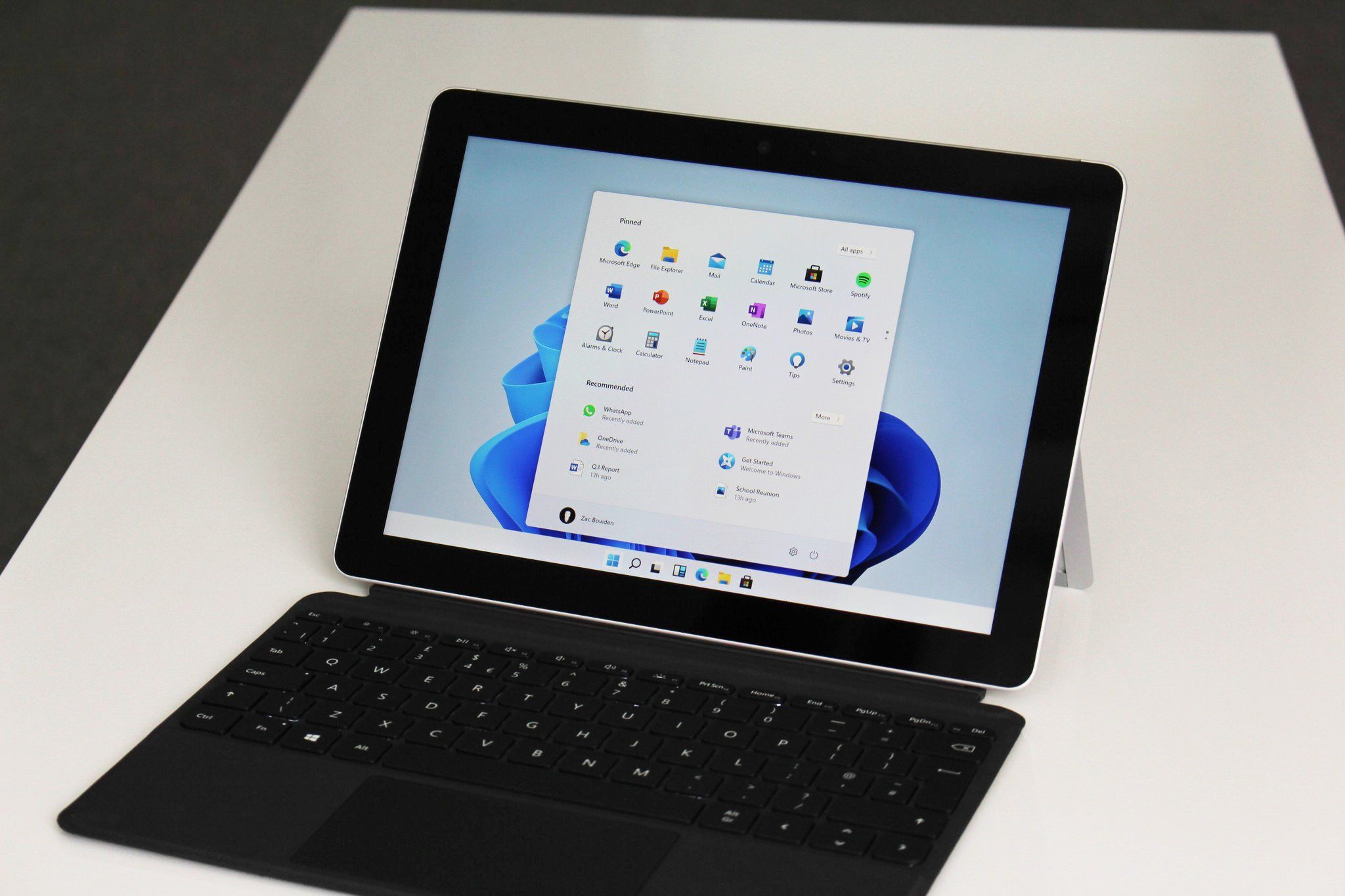
Microsoft confirmed to Forbes it will comply with lawful FBI requests for BitLocker recovery keys stored in customers’ Microsoft Accounts, and said it receives roughly 20 such requests annually though most cannot be met because keys were not uploaded. The disclosure — prompted by an early‑2025 Guam case where a cloud‑stored BitLocker key was provided to law enforcement — underscores that Windows 11’s default Microsoft Account setup automatically backs up encryption keys to Microsoft’s servers (reportedly not encrypted server‑side), creating privacy and reputational risk and potential for user behavior changes to disable cloud key backups.
Market structure: Short-term winner/losers are clear — Microsoft (MSFT) faces reputational and procurement pressure while privacy-focused vendors and zero-knowledge providers (AAPL, META, CRWD, PANW, FTNT, ZS) stand to gain pricing power for key-management and endpoint security services. Expect modest share reallocation: enterprise procurement teams will push BYOK/KMS clauses, increasing demand for third‑party key-management services by an incremental ~3–7% of corporate cloud security budgets over 12–24 months.
Risk assessment: Tail risks include regulatory fines (range: high hundreds of millions to low billions), class actions, and a 1–4% hit to MSFT’s near-term market cap if key‑access incidents proliferate. Time horizons: immediate (days) = IV spike and 1–4% trade moves; short (weeks–months) = contract renegotiation risk; long (quarters–years) = durable shifts toward zero‑knowledge architectures. Hidden dependency: default OS behavior drives upload rates; small changes in defaults could flip adoption rapidly.
Trade implications: Tactical trades include hedged short exposure to MSFT via 3‑month put spreads (limit downside, defined cost), rotation into AAPL and META over 6–12 months, and a 1–2% tactical basket in CRWD/PANW/FTNT/ZS to capture BYOK/KMS lift. Options: buy 3–6 month MSFT puts or put spreads and buy 6–12 month calls on CRWD/PANW; watch IV and target entry when MSFT IV > 1.5x historical 90‑day.
Contrarian angle: The panic may be overdone—enterprise stickiness and Microsoft’s cloud revenue diversification limit structural downside beyond a 3–8% draw. Historical parallel: Apple vs FBI (2016) caused short-term heat but not lasting enterprise share loss; opportunity exists to sell overpriced short‑dated MSFT volatility while maintaining a small, hedged directional short.
AI-powered research, real-time alerts, and portfolio analytics for institutional investors.
Request DemoOverall Sentiment
moderately negative
Sentiment Score
-0.35
Ticker Sentiment
