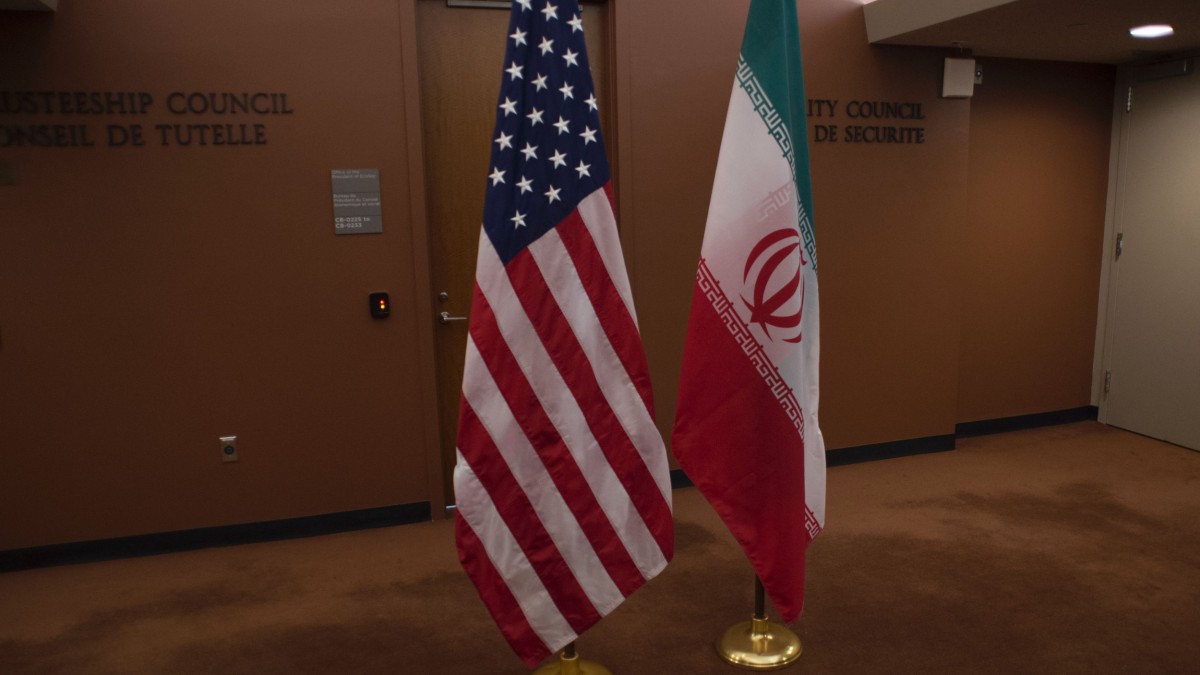
Brent crude is headed for a roughly $15/bbl weekly gain and is holding near $105/bbl, but renewed U.S.-Iran diplomacy hopes have capped a move above $110. The article also highlights multiple supply-chain and geopolitical disruptions, including Iran seizing two container ships, the EU’s 20th Russia sanctions package, disrupted Druzhba flows, and ongoing Strait of Hormuz-related risks that keep oil and LNG markets volatile.
The key market signal is not the absolute price level but the shape of the risk premium: crude is being repriced for intermittent supply outages while the market still assigns a non-trivial probability to diplomatic de-escalation. That creates a regime where front-end volatility should stay elevated, but the curve is unlikely to sustain a clean backwardation breakout until traders believe export flows through the Strait can normalize for more than a few days. The result is a better setup for relative-value than outright beta.
The biggest second-order winner is non-Gulf seaborne supply and any importer with optionality on destination swaps. European and Asian refiners that can pivot into U.S. Gulf barrels, Canadian incremental output, or Latin American cargoes gain negotiating leverage as Middle East barrels become a timing asset rather than a simple price input. By contrast, logistics bottlenecks and insurance costs become the hidden tax: even if volumes are restored, voyage times, vessel availability, and war-risk premia can keep delivered crude tight for weeks.
The contrarian view is that the market is underestimating how fast policy can reverse the rally. If diplomacy advances, the current setup loses the “scarcity option” embedded in Brent before physical balances actually normalize, so the first leg lower could be violent and prompt active fund de-risking. Conversely, if the Strait remains constrained longer than expected, the next leg higher is likely to be driven less by crude itself and more by refined-product dislocations, especially diesel and jet, because middle-distillate supply chains have less spare capacity than headline crude balances suggest.
AI-powered research, real-time alerts, and portfolio analytics for institutional investors.
Overall Sentiment
neutral
Sentiment Score
0.05
Ticker Sentiment
