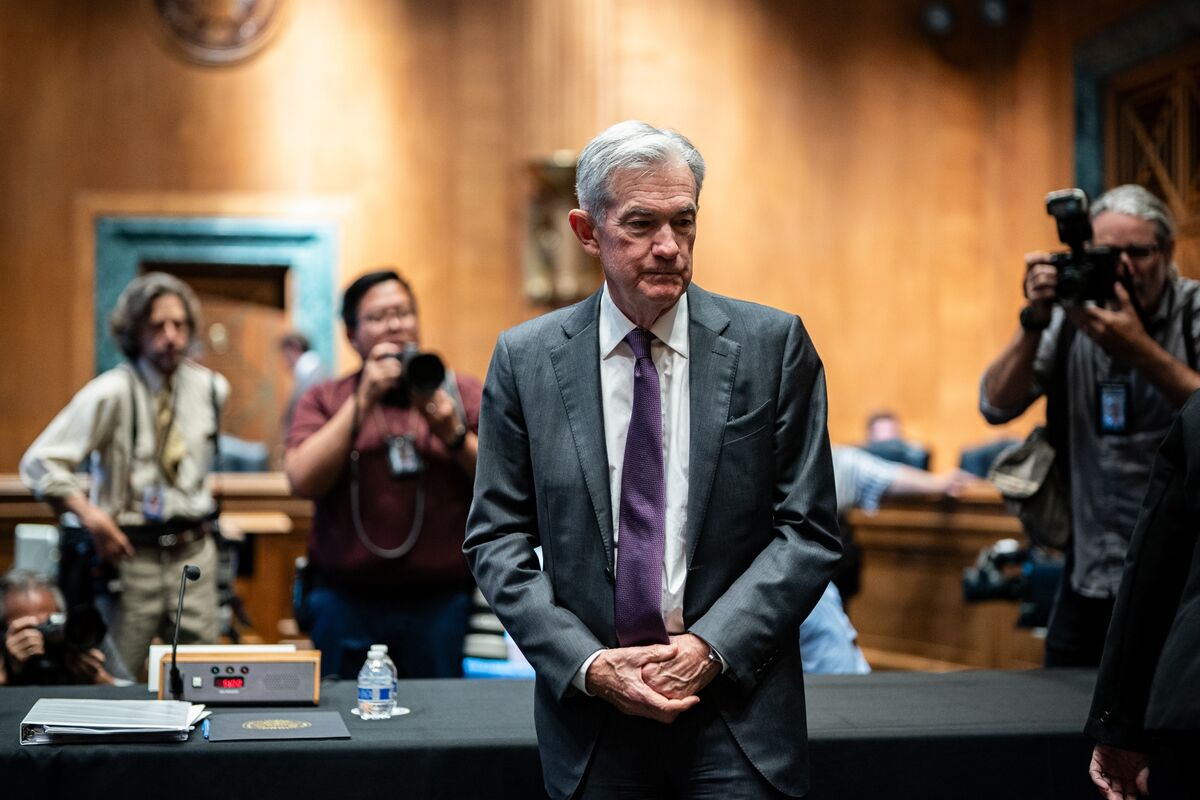
Bill Pulte, head of the Federal Housing Finance Agency, has publicly called for a Congressional investigation into Federal Reserve Chair Jerome Powell, alleging his recent Senate testimony regarding planned Fed headquarters renovations was "deceptive" and grounds for removal "for cause." This unusual public accusation from a fellow agency head, made via social media, introduces an element of political scrutiny on the Fed, albeit concerning non-monetary policy matters.
A significant political challenge has emerged for the Federal Reserve, as Federal Housing Finance Agency (FHFA) head Bill Pulte has publicly called for a Congressional investigation into Chair Jerome Powell. The core of the accusation, made via social media, is that Powell delivered "deceptive" Senate testimony concerning the central bank's planned headquarters renovations, which Pulte asserts is grounds for removal "for cause." This event is notable for being a direct and public critique of the Fed Chair by the head of another federal agency, introducing political and governance-related headline risk. However, the market impact is assessed as low (0.4), primarily because the dispute is over a non-monetary, operational issue rather than the Fed's policy stance. The article notes that no evidence was provided to substantiate the claim, which currently frames this as a political statement rather than a material threat to the Fed's leadership or its policy-making independence.
AI-powered research, real-time alerts, and portfolio analytics for institutional investors.
Request DemoOverall Sentiment
moderately negative
Sentiment Score
-0.50
