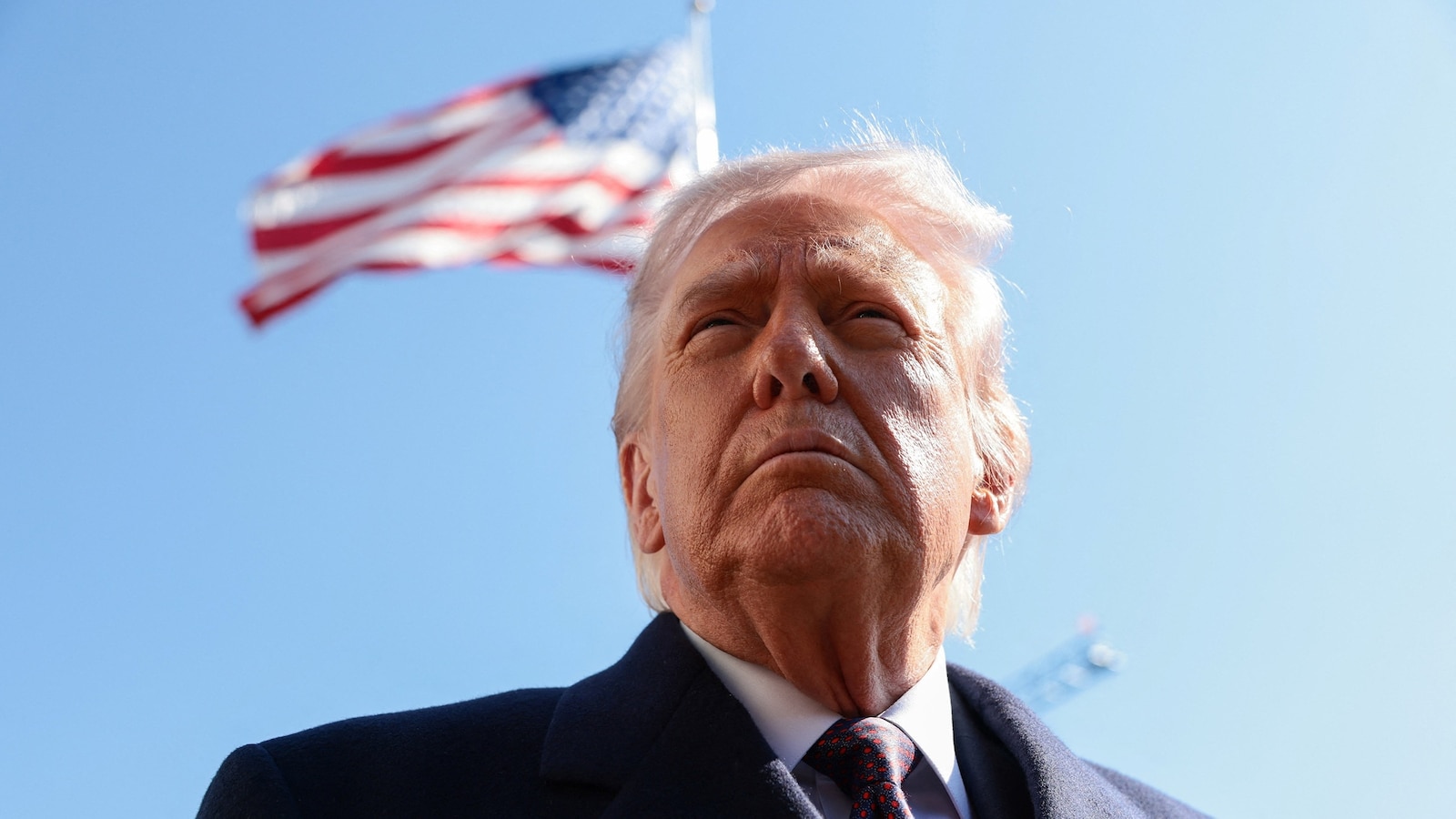
President Trump floated a “friendly takeover” of Cuba and has issued a Jan. 29 executive order declaring Cuba an unusual and extraordinary threat, authorizing retaliatory tariffs on countries that supply oil to the island and precipitating a de facto fuel blockade that U.N. officials say is worsening humanitarian conditions. The comments follow a deadly shootout off Cuba involving a U.S.-registered speedboat that killed four people, including at least one U.S. citizen, elevating geopolitical and regional energy/trade risks that could influence investor positioning in energy and Latin America-related exposures.
Market structure: The President’s comments and the January executive order raise the probability of incremental oil-targeted sanctions and political risk premium on energy and defense names. Expect upstream and integrated oil majors (XOM, CVX, XLE) to reprice +1–3% on a sustained $2–4/bbl rise in Brent/WTI; cruise/leisure (RCL, CCL) and small travel-focused insurers are downside candidates if tourism corridors are restricted.
Risk assessment: Near-term tail risk is an isolated kinetic escalation or broader sanctions cascade (low probability, high impact) that could push oil +$5–10/bbl and equities -5–10% within days; medium-term (1–6 months) uncertainty around enforcement of oil tariffs is key. Hidden dependencies include third‑party supplier contracts (Venezuela/Russia) and maritime insurance repricing; catalysts that would accelerate moves are an additional maritime incident or Dept. of Treasury designation of a supplier country within 30–60 days.
Trade implications: Tactical defensive skew — buy protection and precious metals immediately (2–6 week horizon), add energy call exposure on any confirmed supply restrictions (3–6 months), and increase defense allocation (6–12 months) as baseline geopolitical risk rises. Market structure favors large-cap, cash-generative energy and prime defense contractors over discretionary travel and EM exporters; use pair trades and option spreads to control drawdowns.
Contrarian view: Consensus will likely overpay for broad "safe-haven" USD and gold while underestimating selective value in integrated oil majors with downstream hedges and defense names with backlog visibility. If oil fails to move >$3/bbl after 30 days or sanctions aren’t applied to major suppliers, unwind energy call exposure and take profits in GLD/UUP — the initial risk premium may be mean-reverting rather than structural.
AI-powered research, real-time alerts, and portfolio analytics for institutional investors.
Request DemoOverall Sentiment
moderately negative
Sentiment Score
-0.45
