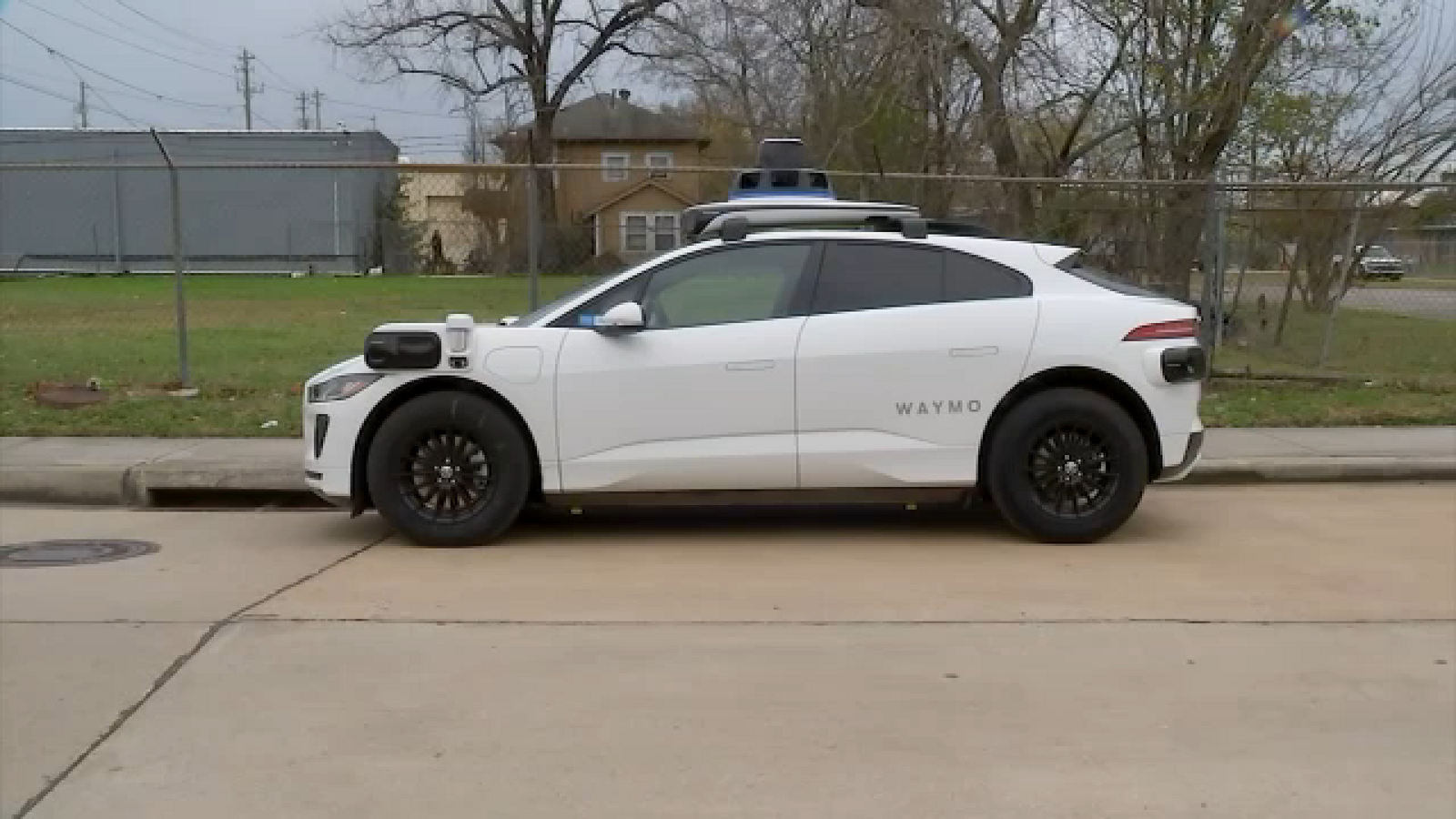
Houston officials will begin monitoring neighborhoods after multiple Waymo self-driving vehicles were observed idling on residential streets for days, with one local resident reporting a car parked for five days. Waymo said its vehicles use public parking between trips to avoid congestion, but a city ordinance bans occupying the same public spot for more than 24 hours, raising potential local regulatory scrutiny and reputational risk for the company. The incident is a localized operational and compliance issue with limited near-term financial impact on Alphabet/Waymo but could prompt municipal enforcement or policy responses if widespread.
Market structure: The Houston sightings expose an operational/asset-utilization problem for fleet-based AV deployments — localized idling for 4–7 days implies utilization shocks that compress revenue per vehicle and raise opex (parking/ticket risk). Near-term winners are incumbent ride-hail operators (UBER/LYFT) and curb-management/parking-tech vendors; losers are AV operators (Waymo/Alphabet) and any OEMs heavily exposed to deployed robo-taxi fleets. Cross-asset impact is muted but expect isolated equity volatility (±3–8% on headlines) and a modest rise in short-dated options IV for GOOGL/GM/UBER; macro FX/commodities effects are negligible.
Risk assessment: Tail risks include municipal/regulatory bans on on-street staging or daily fines >$50–$200/vehicle that could add thousands/month to unit opex, or a high-profile accident triggering multi-city curbs — low probability but high impact. Immediate (days): local enforcement actions and negative press cycles; short-term (weeks–months): local ordinances or permit suspensions; long-term (quarters–years): tougher city-level operating standards raising capex and liability costs. Hidden dependencies: parking availability, insurance pricing, local political backlash from displaced drivers, and Alphabet’s capital tolerance to subsidize inefficient deployments.
Trade implications: Tactical trades should favor incumbents and optionality while hedging regulatory risk on AV owners. Long UBER/LYFT exposure for 3–12 months captures re-routing of demand; selective long Alphabet (GOOGL) keeps AI upside but hedge regulatory downside with puts. Avoid large direct long positions in pure-play AV OEMs or Cruise-exposed GM without event-driven hedges; consider buying volatility (puts) on names with deployed fleets if fines/permits escalate.
Contrarian angle: The market may over-penalize Alphabet — Waymo is a small fraction of Alphabet’s cash flows, so headline-driven sell-offs >5% are buying opportunities if no multi-city regulatory cascade occurs. Conversely, assuming incumbents (UBER) automatically win is underdone: increased ride-hail demand could prompt pricing competition. Historical parallel: early scooter/bikeshare rollouts saw patchwork city crackdowns followed by regulated commercial models — expect the same path, creating opportunities for parking/dispatch software and municipal concession players.
AI-powered research, real-time alerts, and portfolio analytics for institutional investors.
Request DemoOverall Sentiment
neutral
Sentiment Score
-0.10
