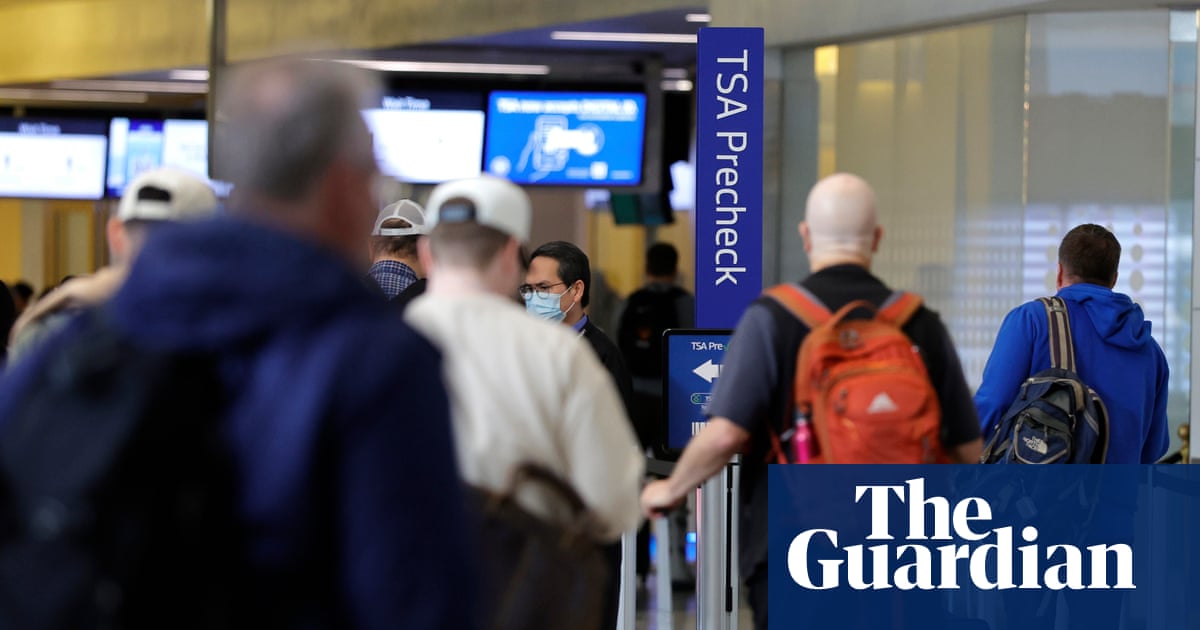
A 29-day partial US government shutdown has left roughly 50,000 TSA officers working without pay and the TSA reports over 300 officers have quit since the shutdown began, prompting airline CEOs to warn of escalating travel disruptions. Major carriers (American, United, Delta, Southwest, JetBlue, Alaska) and cargo executives urged Congress to fund DHS and legislate guaranteed pay for critical aviation personnel; airports including Houston Hobby, New Orleans and Newark reported security lines and delays, with some checkpoints closed. Airlines expect a record spring travel period of ~171 million passengers (up ~4% vs the same two-month period in 2025), raising near-term operational risk that could pressure schedules and customer service.
The immediate operational hit increases schedule volatility in ways that favor balance-sheet strength and flexible capacity. Carriers with large short-haul fleets and high daily aircraft utilization will see cancellation and delay externalities translate into higher unit costs faster than network carriers with spare aircraft and systemic re-accommodation tools; conversely, network carriers face higher cascading risk to yield on connecting traffic and premium customers.
Cargo integrators and asset-light logistics players are the asymmetric beneficiaries because any reduction in passenger flying tightens belly capacity and forces freight onto higher-margin express networks. That flow shift is durable over several quarters after the event: each 1–2% permanent reduction in belly lift typically translates into a low-single-digit percentage lift in headline yield for integrators before new capacity is fielded.
Key risk paths are political resolution speed, frontline labor attrition, and consumer confidence — they operate on different horizons. A rapid legislative fix (days) should compress realized volatility and create a relief rally; multi-week stalemate materially increases recruiting/overtime spend and raises the probability of proactively cut schedules, which would pressure fares and revenue recovery over months.
Consensus is tilting toward broad negative read-throughs across the airline complex, overlooking demand stickiness and reallocation of freight to integrators. That opens event-driven shorts on the most operationally-levered names and tactical longs on logistics names and selectively hedged airline longs that can ride a quick resolution; position sizing should reflect a binary political outcome with asymmetric payoffs.
AI-powered research, real-time alerts, and portfolio analytics for institutional investors.
Request DemoOverall Sentiment
mildly negative
Sentiment Score
-0.35
Ticker Sentiment
