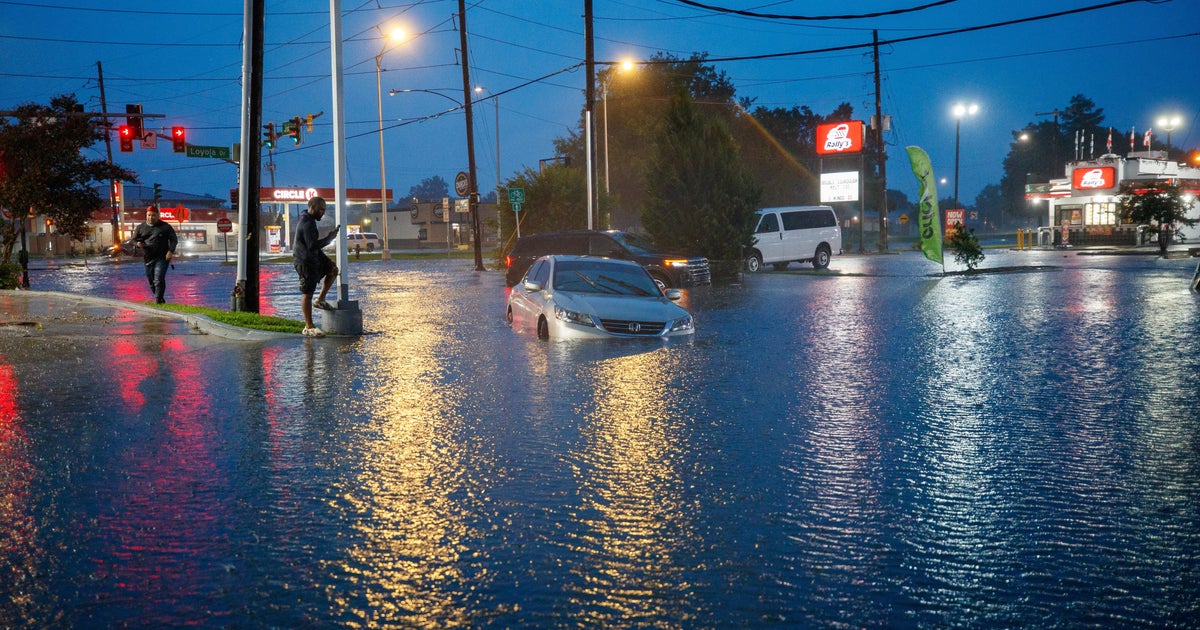
Remnants of Tropical Storm Arthur caused catastrophic flooding across Louisiana and Mississippi, with more than 2 feet of rain in 48 hours in one rural Louisiana parish and at least 200 homes flooded in Avoyelles Parish. The storm triggered evacuations near the Anchor Lake dam, water rescues, tornado damage to four homes in Avondale, and at least one reported death during cleanup operations. The event is likely to disrupt local housing, transportation, and emergency response operations across the Gulf Coast.
This is less a pure catastrophe trade than a liquidity-and-duration shock for low-lying Gulf infrastructure. The first-order damage is to homes and municipal assets, but the second-order effect is a near-term squeeze on contractors, remediation firms, aggregate suppliers, and local insurers, followed by a lagged benefit to specialty distributors and rebuild names once the water recedes. The key distinction is between total-loss residential claims, which tend to be slow-moving, and commercial downtime for sawmills, small industrial sites, ports, and road crews, which can show up immediately in earnings revisions.
The market usually underprices the compounding effect of saturated ground on subsequent rainfall and drainage systems. Even after the headline flood event passes, expect follow-on risk to stay elevated for days to weeks: mold remediation, electrical outages, road washouts, and temporary relocations can extend the economic drag well beyond the storm itself. That argues for caution on regionally exposed housing, retail, and small-cap transportation names with Gulf Coast concentration, especially those lacking robust business interruption coverage or alternative routing.
The contrarian angle is that the selloff in insurers and Gulf-exposed REITs is likely more about optics than duration-adjusted loss severity. For larger carriers and diversified residential REITs, this kind of event is typically manageable unless loss creep compounds through repeated events this season. The better asymmetry may be in beneficiaries of reconstruction rather than in broad short exposure: the rebuild cycle can create a temporary demand pop in roofing, drywall, lumber distribution, equipment rental, and home-improvement channels once access is restored.
AI-powered research, real-time alerts, and portfolio analytics for institutional investors.
Request DemoOverall Sentiment
strongly negative
Sentiment Score
-0.80
