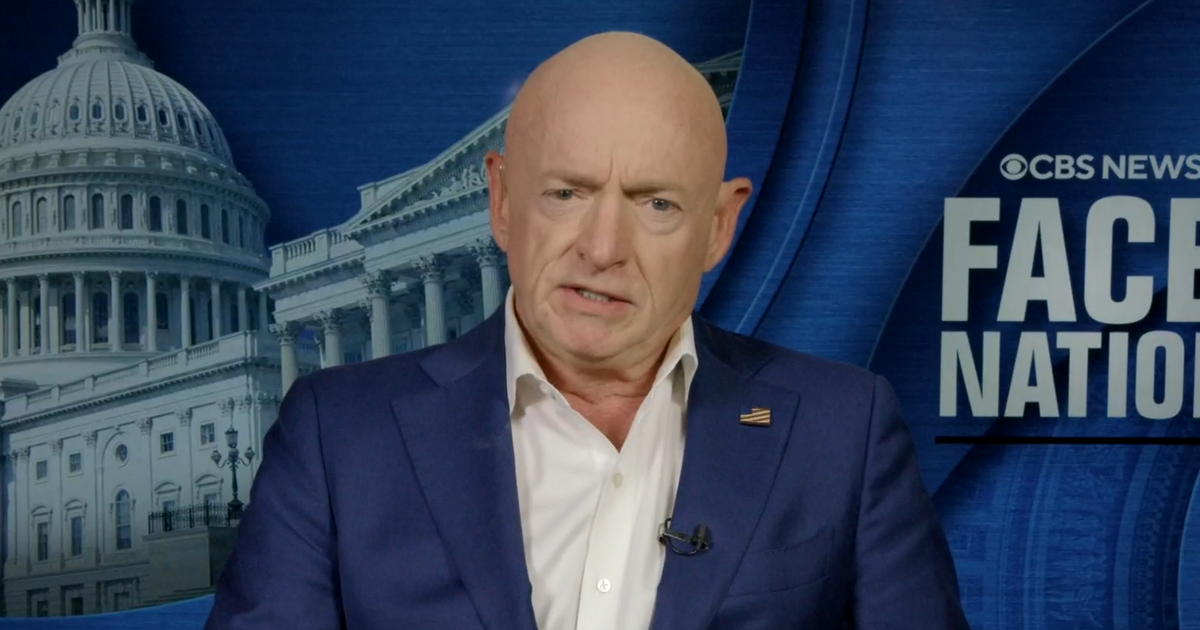
The Trump administration's $1.5 trillion Pentagon budget request would be a 42% increase from 2026 levels, but Sen. Mark Kelly called it 'outrageous' and warned it includes costly items like the space-based Golden Dome missile defense system. The article also highlights expected supplemental war spending on Iran of roughly $25 billion to $50 billion and concern that U.S. munitions stockpiles have been significantly depleted. The main implications are for defense spending, fiscal policy, and war-related budget demands.
The market’s first-order read is “more defense spending,” but the more important signal is procurement strain: a larger top line does not automatically translate into higher-quality revenue for primes if Congress forces rephasing, offsets, or audit scrutiny. The likely near-term winners are munitions, air defense, electronic warfare, and suppliers with existing production capacity; the likely losers are speculative “next-gen” programs that are technically ambitious, capital-intensive, and vulnerable to delay if lawmakers demand tangible readiness improvements.
A second-order effect is margin pressure across the defense supply chain. If the budget emphasis shifts toward replenishment and surge capacity, primes with thinner execution records may see more fixed-price risk while component vendors with scarce bottleneck parts gain pricing power over the next 6–18 months. Golden Dome-type programs also create a “high headline, low certainty” setup: even if funded, the commercialization path is likely to be slower than politically implied, which means option value is being assigned before technical de-risking.
The war-related supplemental adds a separate catalyst stack: replenishment orders can improve backlog visibility quickly, but they also expose inventory stress that could force Pentagon prioritization away from Pacific deterrence programs. That matters because the real constraint is not money but industrial throughput; if stockpile depletion becomes a recurring narrative, expect pressure on Congress to accelerate multi-year munitions contracts, benefiting capacity leaders while penalizing any supplier unable to expand output without margin dilution.
Consensus may be underestimating how this turns into a procurement quality filter rather than a broad defense bull case. The overdone part is the assumption that every defense name participates equally; the underdone part is the probability of a political backlash if the spending increase is framed as wasteful, which could cap multiple expansion in the higher-valuation primes over the next quarter.
AI-powered research, real-time alerts, and portfolio analytics for institutional investors.
Request DemoOverall Sentiment
mildly negative
Sentiment Score
-0.20
