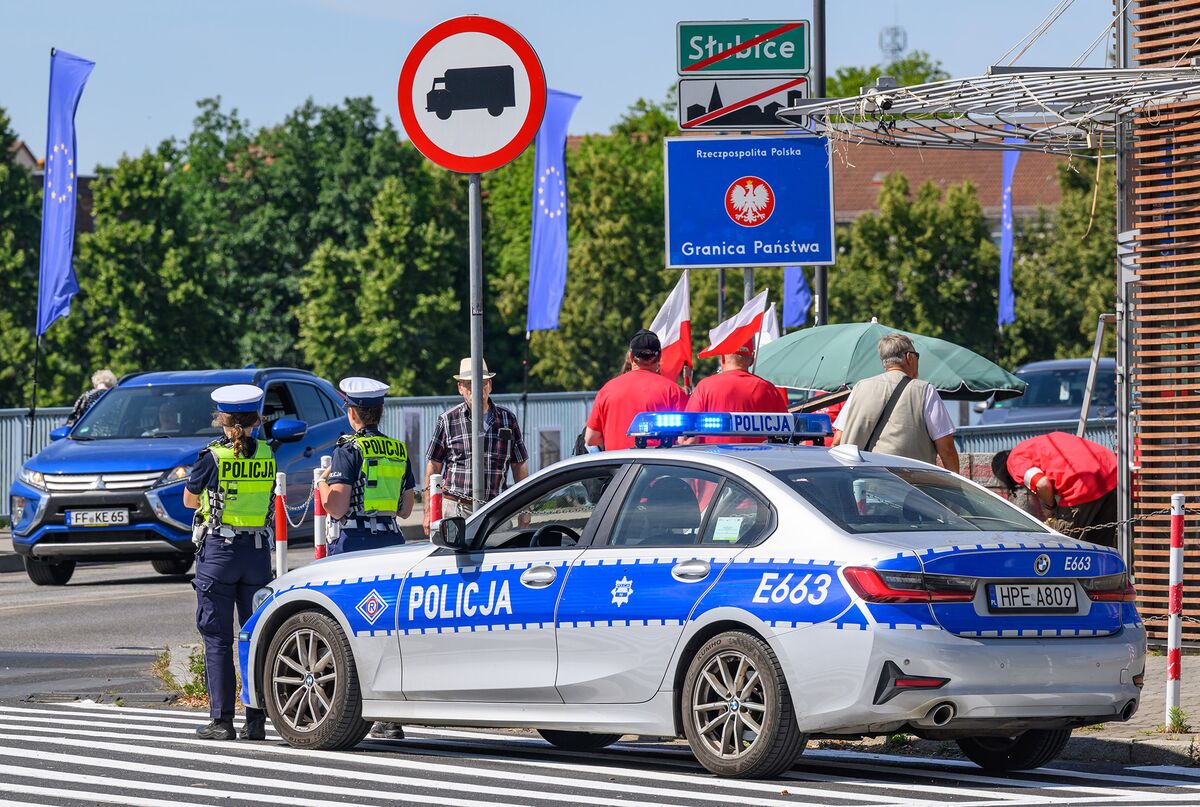
Poland initiated border checks with Germany and Lithuania on Monday, a retaliatory measure by Prime Minister Donald Tusk in response to Germany's recent tightening of irregular migration controls. This move, cited by Tusk as addressing an 'asymmetry' in border policing, signifies escalating friction over migration policies between key EU members and could impact regional trade and free movement within the Schengen area.
Poland has initiated border checks with Germany and Lithuania, a direct retaliatory measure against Germany's recent tightening of its own borders to curb irregular migration. Polish Prime Minister Donald Tusk justified the action as a response to an "asymmetry" in border policing created by Germany. This development underscores growing geopolitical tensions within the EU over migration policy. Although the immediate market impact is rated as low, the reintroduction of controls poses a risk to the principle of free movement within the Schengen Area. Any sustained checks could create logistical frictions and minor headwinds for regional trade, particularly for industries dependent on the seamless flow of goods between Poland and Germany.
AI-powered research, real-time alerts, and portfolio analytics for institutional investors.
Request DemoOverall Sentiment
neutral
Sentiment Score
0.00
