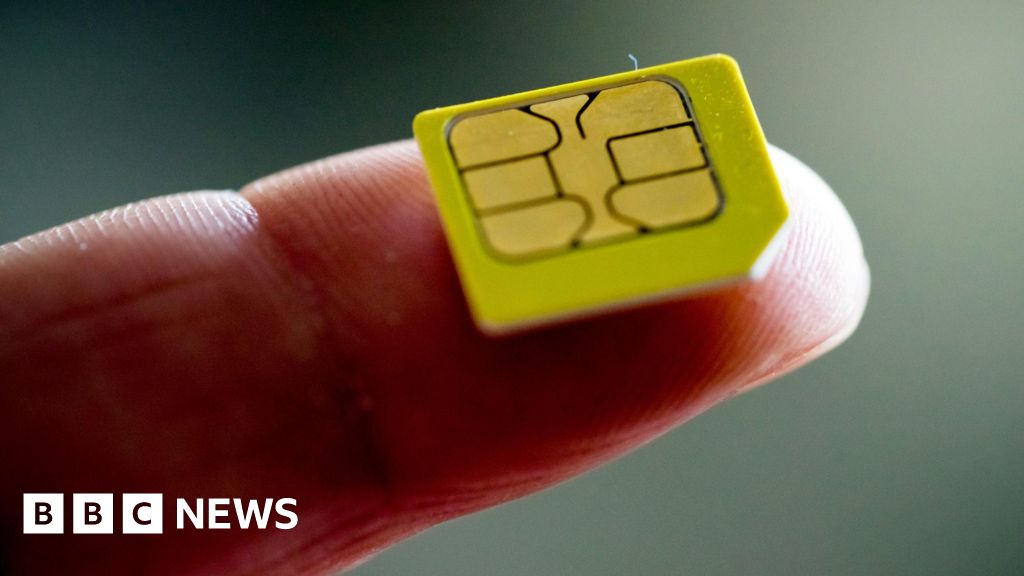
Apple is significantly accelerating the global transition to eSim-only smartphones with the launch of the new iPhone Air and select new models, expanding a strategy previously implemented in the US market. This move by a leading device manufacturer is expected to drive the obsolescence of physical SIM cards, with industry forecasts projecting 3.1 billion eSim-enabled smartphones by 2030, profoundly impacting device design, telecom operator strategies, and consumer behavior. While offering benefits like internal space optimization and enhanced network flexibility, the transition also presents adoption challenges for certain demographics that the industry will need to address.
Apple is accelerating the global transition away from physical SIM cards with the launch of its eSim-only iPhone Air and the expansion of eSim-only configurations for its iPhone 17 series into multiple markets. This move builds upon a strategy initiated in the U.S. in 2022 and solidifies Apple's role as a market-shaping force, with analysts noting this marks the 'beginning of the end' for the physical card. The market-wide impact is substantial, with forecasts from CCS Insight projecting the number of eSim-enabled smartphones to grow from 1.3 billion by the end of 2024 to 3.1 billion by 2030. For device manufacturers, the primary advantage is the optimization of internal space, potentially allowing for larger batteries. While competitors like Samsung and Google are also incorporating eSim technology, they are maintaining physical SIM slots in most regions, positioning Apple as the clear leader driving this change. The transition also has significant implications for telecom operators, as it simplifies network switching for consumers, potentially increasing churn but also creating opportunities for digital-first customer service models and more competitive international travel plans. A key headwind remains user adoption, particularly among demographics less comfortable with technology, which will require a concerted educational effort from the industry.
AI-powered research, real-time alerts, and portfolio analytics for institutional investors.
Overall Sentiment
moderately positive
Sentiment Score
0.60
Ticker Sentiment
