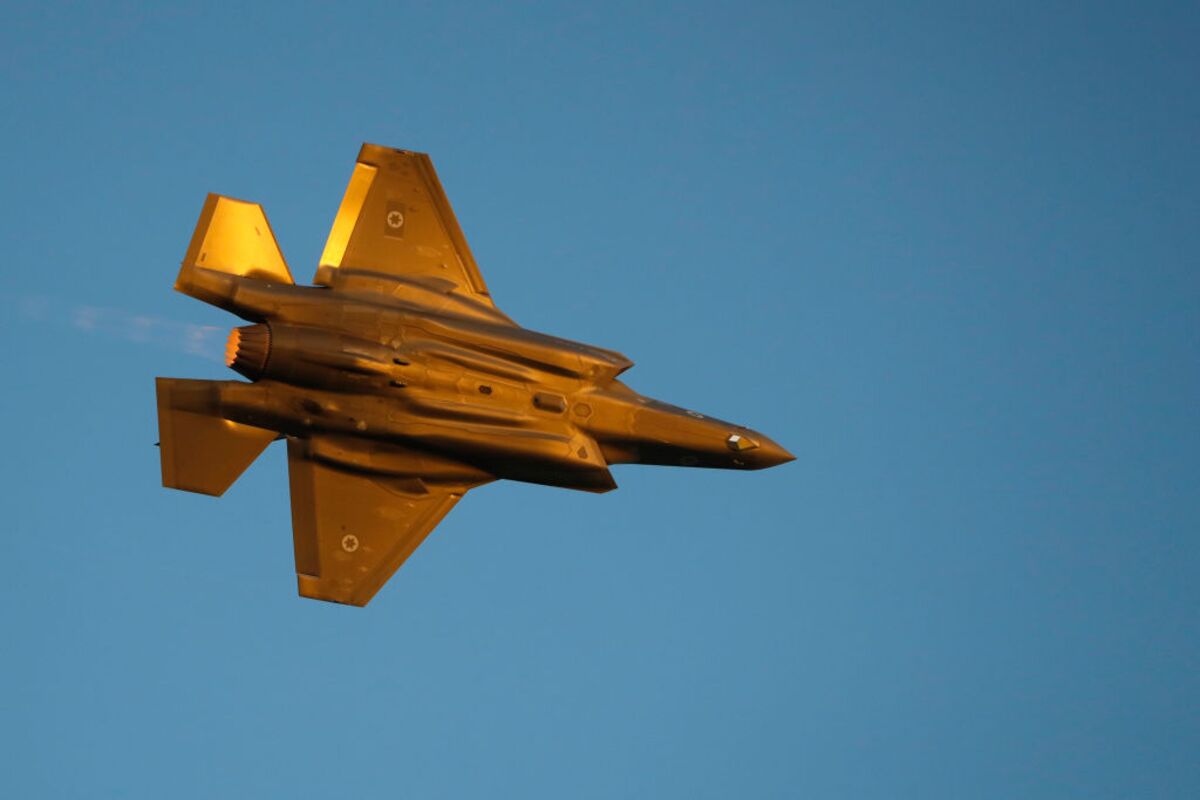
The Dutch Supreme Court has overturned a lower court's ban on F-35 fighter jet parts exports to Israel, directing the government to reassess the licenses within six weeks. The court mandates this review determine if granting the license poses a clear risk of serious violations of international humanitarian law, a decision that could significantly impact defense supply chains and geopolitical relations concerning the ongoing conflict.
The Dutch Supreme Court's decision to overturn a lower court's ban on F-35 parts exports to Israel introduces a critical period of regulatory uncertainty. While the ruling temporarily averts an immediate disruption to the F-35 global supply chain, for which the Netherlands is a key logistics hub, it mandates a government reassessment of the export licenses within a tight six-week timeframe. The core of this review is to determine if the exports pose a "clear risk of serious violations of international humanitarian law," a highly sensitive and politically charged criterion. This situation highlights the increasing legal and geopolitical complexities confronting the defense industry, where export controls are becoming a significant point of contention in relation to active conflicts. The neutral-to-mixed sentiment signal (0.1) accurately reflects the dual nature of the news: a positive procedural step in overturning the ban, but one that introduces substantial uncertainty pending the government's final decision.
AI-powered research, real-time alerts, and portfolio analytics for institutional investors.
Request DemoOverall Sentiment
mixed
Sentiment Score
0.10
