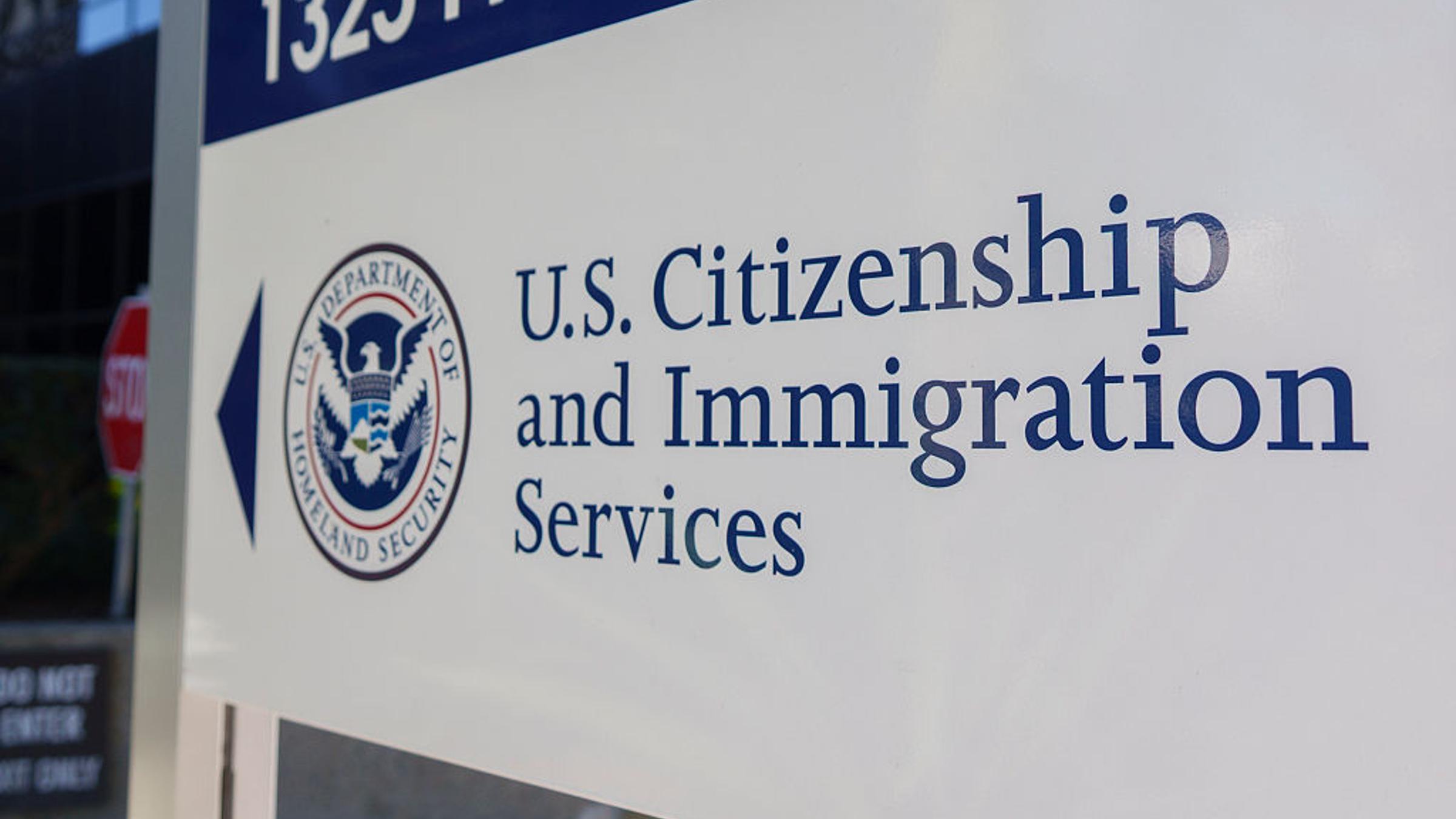
The Trump Administration’s USCIS memo would require most in-country green card applicants to leave the U.S. and apply through consulates abroad, with in-country approvals limited to “extraordinary circumstances.” The change could affect more than 500,000 annual applicants and create months- to years-long delays for spouses, families, refugees, and employment-based workers, including H-1B and STEM talent. The policy is likely to reduce legal immigration flows, worsen backlogs, and may have broad labor-market and sector implications for employers reliant on skilled foreign workers.
This is a negative shock to the U.S. labor-import machine, but the market impact is less about the headline policy and more about friction costs, timing uncertainty, and who bears the delay. The immediate losers are employers with high dependency on foreign skilled labor and families already inside the system; the second-order effect is a slower conversion of temporary talent into durable payrolls, which raises retention costs and extends vacancy duration in hard-to-hire roles. That tends to compress productivity growth at the margin for software, healthcare staffing, and life sciences, while benefiting immigration counsel, compliance vendors, and any service layer that monetizes complexity.
For COUR, the direct financial hit looks immaterial in isolation, but the operating backdrop is negative because policy volatility reduces student-to-worker conversion visibility and can elongate the path from enrollment to monetization. If this persists for 2-4 quarters, the bigger risk is not outright lower inquiry volumes but a worse mix: more students may choose Canada, the UK, or Australia when they perceive lower post-study pathway probability in the U.S. That is a structural headwind to the U.S. international education ecosystem, especially at the margin for premium employers that rely on post-graduation talent pipelines.
The contrarian point is that implementation risk is high and the legal challenge path is meaningful; the memo creates discretion, which often means uneven enforcement rather than a clean regime shift. That lowers the odds of a broad, immediately enforceable break in flows, but raises the odds of prolonged uncertainty, which is typically more damaging for planning than a single hard rule. The market should therefore discount a slower-burn demand erosion rather than a one-day collapse.
Closest public-market expression is not COUR alone, but a basket short of U.S.-dependent human-capital beneficiaries versus beneficiaries of administrative complexity. If the policy survives judicial review, the highest-beta winners are immigration-law services and adjacent compliance workflows; if it is enjoined, the trade unwinds quickly. The most attractive setup is to fade any knee-jerk rally in education/credentialing names on litigation hopes, because even partial adoption can still raise conversion friction and reduce funnel efficiency.
AI-powered research, real-time alerts, and portfolio analytics for institutional investors.
Request DemoOverall Sentiment
strongly negative
Sentiment Score
-0.65
Ticker Sentiment
