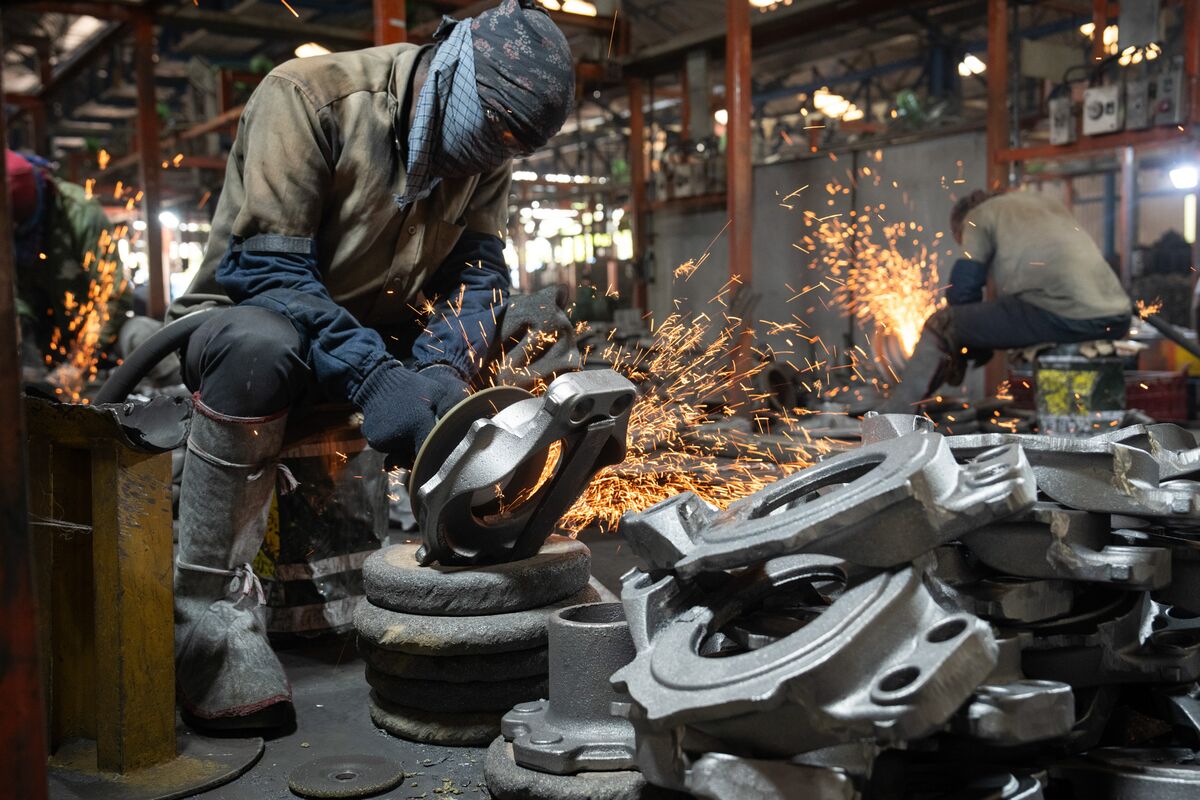
India's 'Make in India' manufacturing initiative is encountering a significant labor supply challenge from the country's booming gig economy. Workers are increasingly opting for gig roles, which offer better immediate earning potential and flexibility compared to traditional factory jobs. This dynamic creates a strategic dilemma for India's economic growth, necessitating a careful balancing act between industrialization goals and the demands of a rapidly expanding service sector.
India's "Make in India" manufacturing initiative is encountering a significant labor supply challenge from the nation's surging gig economy. This dynamic creates a strategic dilemma for the country's economic growth, as workers increasingly opt for flexible gig roles over traditional factory employment, reflected in the mixed sentiment and uncertain tone surrounding this development.
The appeal of the gig economy stems from its better immediate earning potential and flexibility. For instance, a former cotton mill worker now saves 10,000 rupees ($113) monthly as a delivery driver, a stark contrast to his previous factory experience. This shift directly impacts the availability of labor for industrialization goals, potentially hindering manufacturing sector expansion.
This situation necessitates a careful balancing act between India's industrialization ambitions and the demands of its rapidly expanding service sector. The moderate market impact score of 0.45 suggests this labor market friction is a material consideration for investors evaluating India's long-term economic trajectory and investment landscape, particularly within emerging markets.
AI-powered research, real-time alerts, and portfolio analytics for institutional investors.
Overall Sentiment
mixed
Sentiment Score
-0.10
