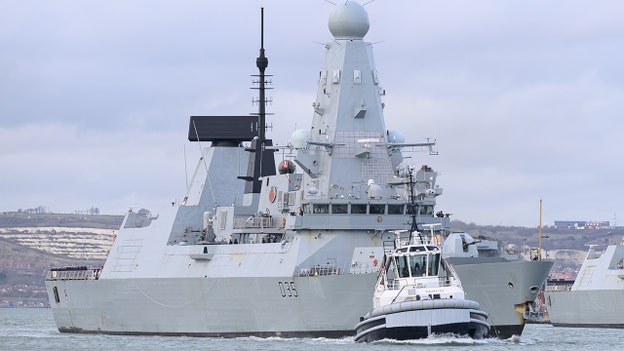
Tensions around the Strait of Hormuz remain elevated as the U.S. and Iran await a response on a peace proposal, while U.S. Central Command says it has redirected 58 commercial vessels and disabled 4 since April 13 under an ongoing blockade. The UK is deploying HMS Dragon and France is moving Charles de Gaulle toward the region, signaling a broader multinational naval posture. The article also reports fresh Hezbollah-linked attacks and Israeli strikes in Lebanon, keeping regional geopolitical and shipping risk high for energy and transport markets.
The market implication is not simply higher oil-risk premium; it is a growing probability that the Gulf shipping system moves from a pricing variable to a physical constraint. When warships are being staged to reopen a chokepoint and commercial tonnage is being forcibly rerouted or disabled, freight, insurance, and inventory carrying costs can reprice faster than outright crude, creating a near-term squeeze in refined products and LNG before spot Brent fully catches up.
The second-order winner is not just upstream energy, but firms with optionality on non-Gulf supply chains: U.S. LNG export infrastructure, Atlantic Basin refiners, and defense primes tied to maritime surveillance, air defense, and missile interceptors. The loser set is broader than importers of Middle East energy; it includes carriers, industrials with just-in-time feedstocks, and European users exposed to reinsurance and bunker-cost spillovers. If the blockade persists even a few more weeks, the real bottleneck becomes working capital as vessels wait, cargoes roll, and spot charter rates jump.
The key catalyst window is days, not months: any Iranian response to the proposal, or any miscalculation around naval escorts, can flip this from managed escalation to a broader strike cycle. The base case remains a noisy but contained standoff, which argues against chasing broad-market de-risking after the first move; the more attractive expression is relative value in assets that monetize volatility without needing a full supply shock.
The contrarian view is that the current price action may still understate the duration of disruption because the first visible damage is operational, not volume-based. Even if no major export facilities are hit, repeated interdiction raises the probability that counterparties preemptively reroute flows and demand premium compensation, which can keep energy and logistics dislocations elevated longer than headline ceasefire language suggests.
AI-powered research, real-time alerts, and portfolio analytics for institutional investors.
Request DemoOverall Sentiment
moderately negative
Sentiment Score
-0.45
