

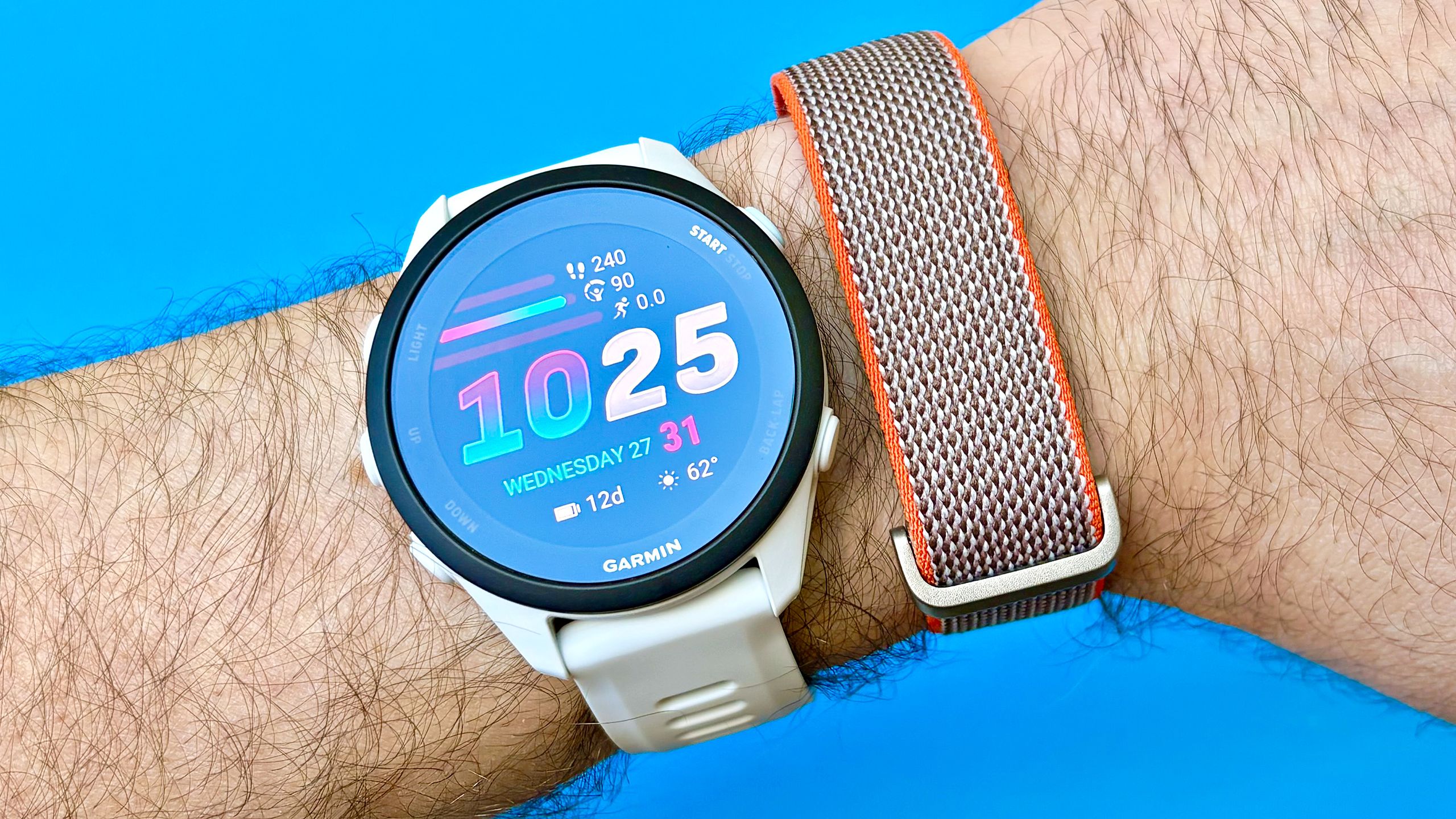
The article compares the new $99 Fitbit Air and $249 Garmin Forerunner 70, finding both wearables performed extremely well in a 3,000-step accuracy test. Fitbit slightly outperformed Garmin on steps and elevation, while Garmin benefited from onboard GPS. The piece is favorable for both products, but it is consumer-review content with limited direct market impact.
The key signal is not that these two devices are accurate in isolation, but that low-cost, subscription-light wearables are now credible enough to remove one of the last premium justifications for higher-priced entry devices. That increases pressure on Garmin’s lower-end hardware mix more than on Fitbit’s economics, because the latter can monetize primarily through accessory demand, ecosystem retention, and a higher attach rate to premium services rather than through gross margin on the box itself. In other words, unit accuracy parity shifts the battleground from sensors to software and brand trust.
For GRMN, the second-order risk is cannibalization at the entry level: if a $99 tracker can match core step-count credibility, some buyers will trade down from entry Garmin watches unless the company can clearly defend with GPS, battery life, training features, and durability. That does not threaten the franchise immediately, but it can compress ASP growth over the next 2-4 quarters if retail channels start pushing value-oriented alternatives. The upside is that Garmin’s broader installed base and premium product ladder remain intact, so the damage is likely concentrated in lower-end incremental demand rather than the core enthusiast base.
The more interesting contrarian angle is that the winner may not be the hardware winner at all, but the platform with the best upgrade path. If consumers accept that commodity metrics are ‘good enough,’ subscription conversion and ecosystem engagement become the real monetization lever; that is supportive for AMZN only indirectly via retail share of the category, but there is no clear fundamental read-through today. The catalyst to watch is holiday sell-through and return rates: if reviewers keep validating sub-$100 trackers against premium devices, price elasticity could improve sharply over the next 1-2 quarters and force Garmin to defend with promotions.
AI-powered research, real-time alerts, and portfolio analytics for institutional investors.
Request TrialOverall Sentiment
mildly positive
Sentiment Score
0.35
Ticker Sentiment
