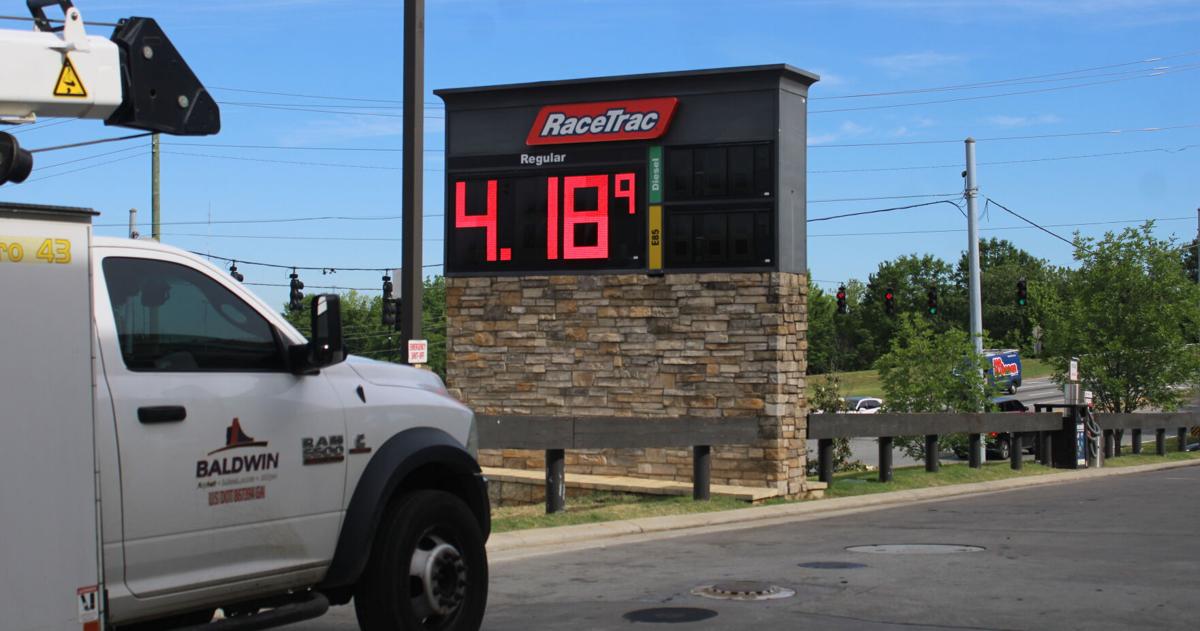
Gas prices in Cobb County averaged $4.17 per gallon for regular fuel, above Georgia’s statewide average of $4.09 and up sharply from $2.90 a year ago. Georgia’s 60-day gas tax suspension ends May 20, which would add about 30 cents per gallon and likely push prices higher. The article highlights consumer budget strain, with several drivers reporting fill-up costs rising from about $30 to $40-$45 or even $100+ for larger vehicles.
The immediate market read is not just higher household pain, but a forced reallocation of discretionary spend. Once fuel crosses a psychological threshold, consumers cut lower-priority purchases first, which tends to hit small-ticket retail, quick-service dining, and discretionary travel before broader consumption data visibly rolls over. The most vulnerable names are those with thin basket sizes and high local traffic dependence, because even a modest increase in commute cost can suppress incremental visits.
The more important second-order effect is margin pressure on transportation-heavy businesses that cannot reprice quickly. Delivery, regional logistics, field-service operators, and premium-fuel-dependent fleets will see a lagged hit from higher input costs before any offset from surcharges or contracts catches up. If the tax holiday rolls off as scheduled, the compounding effect is meaningful: a relatively small per-gallon move can still translate into a double-digit percentage increase in fuel expense for high-consumption vehicles, which can compress near-term EBITDA in the most mileage-intensive models.
Politically, the tax rollback expiry creates a clean catalyst window: prices can re-rate higher in days, while demand destruction takes weeks to months to show up. That makes the near-term setup asymmetric for consumer-exposed names versus energy producers, especially if crude remains elevated and retailers face reluctant pass-through. The more contrarian point is that the market may already be discounting inflation, but not yet a behavioral shift in driving patterns, route consolidation, and delayed discretionary trips — the kind of micro-demand erosion that shows up first in card data and convenience-store volumes.
The main reversal catalysts are a rapid pullback in crude, a renewed policy extension, or a sharp drop in refining margins that softens pump prices faster than headline oil suggests. Absent that, the setup favors continued pressure on consumer spending and transport costs into the next 4-8 weeks, with the risk skewed toward downside surprises for domestically focused consumption names rather than for upstream energy.
AI-powered research, real-time alerts, and portfolio analytics for institutional investors.
Request DemoOverall Sentiment
mildly negative
Sentiment Score
-0.35
