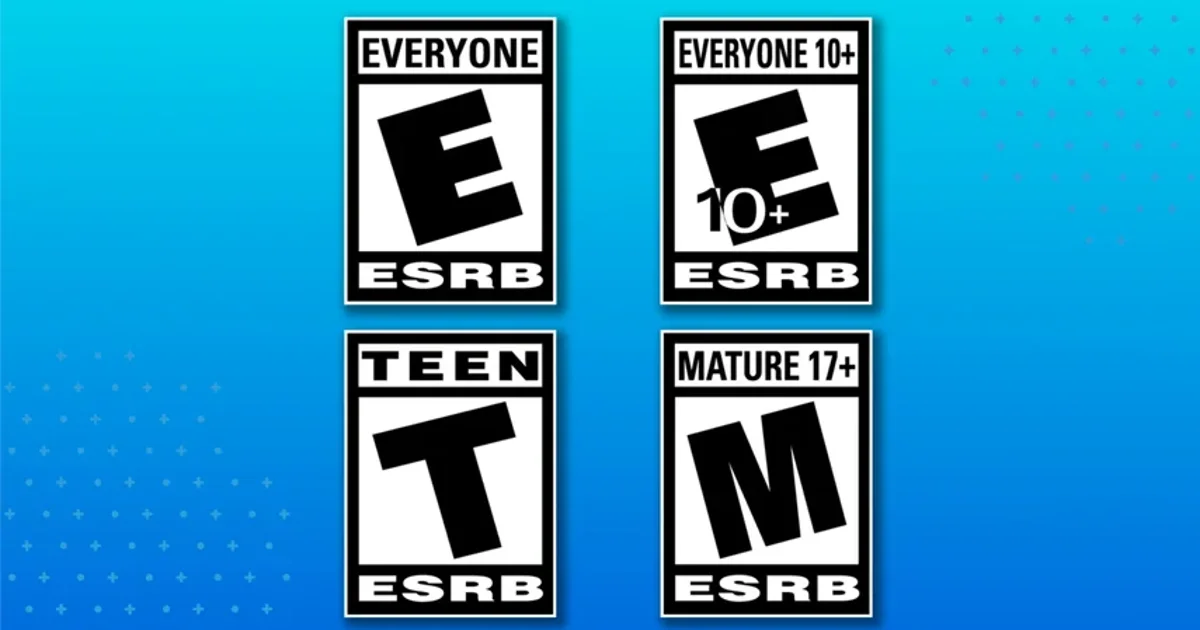
ESRB will not adopt PEGI's new age‑rating criteria, stating ratings will remain based solely on a game's content and context. PEGI will implement changes from June raising ratings for titles with paid random items, time-limited/quantity-limited offers, play-by-appointment, and unrestricted communications. The split creates regulatory divergence between the US and Europe and could increase compliance and classification complexity for publishers, particularly for live-service and legacy titles. PEGI says it will review legacy products selectively but cannot continuously reclassify its entire back catalogue.
A durable transatlantic regulatory split creates a new, non-linear cost for global game monetization: publishers will need parallel content/age gating, segmented pricing and targeted feature flags across regions, which raises development and QA spend and increases go-to-market friction. For mobile-first free-to-play titles this can translate into a 5–15% hit to ARPDAU in EU cohorts if monetization features are constrained or age-gated, implying a 1–3% revenue drag at the corporate level for mid-sized mobile specialists and a higher proportion for pure-play mobile names.
Platform owners and subscription-first console ecosystems are second-order beneficiaries because regulatory divergence increases the relative value of recurring, account-level revenues that are harder to fragment by region or age; this shifts strategic bargaining power toward companies that can centralize user identity and payments. Conversely, studios with large back catalogs and continuous live-ops face a slow-burning compliance exposure: legacy titles updated frequently create an enforcement vector that can surprise quarterly guidance over 6–18 months as regulators and publishers negotiate remediation plans.
Key catalysts to watch are EU enforcement pilots and selective legacy audits over the next 6–12 months and any coordinated US legislative movement that would narrow the ESRB’s current stance; either could compress valuation multiples for exposed names quickly. The market may be overstating permanent revenue loss: technical mitigants (geo-blocking, cosmetic-only monetization, subscription bundling) can blunt impact within one product cycle, so short-term repricing offers tactical opportunities rather than guaranteed permanent impairment.
AI-powered research, real-time alerts, and portfolio analytics for institutional investors.
Request DemoOverall Sentiment
neutral
Sentiment Score
0.00
