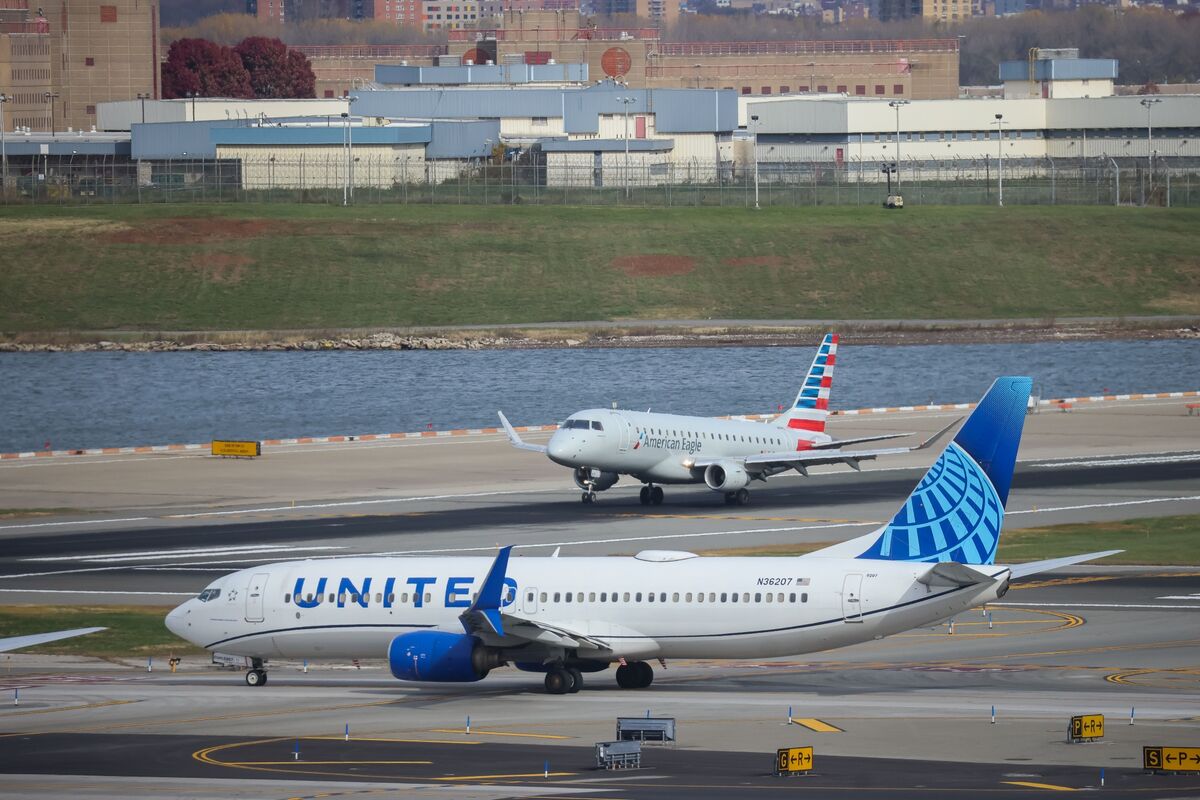
United Airlines CEO Scott Kirby has reportedly floated a possible combination with American Airlines, though no formal process is confirmed and the talks remain private. The proposal would likely face intense antitrust scrutiny, even under a business-friendly Trump administration. The news is strategically significant for the U.S. airline sector and could affect trading in airline stocks if deal speculation builds.
A credible combination attempt between the two largest domestic network carriers would be less about near-term M&A probability and more about signaling a structural push to re-rate the sector’s policy regime. Even a failed bid can matter: it forces investors to reassess the ceiling on industry consolidation and increases the option value of future capacity discipline, which is typically bullish for unit revenue and margin stability across the group. The immediate winner is usually not the would-be acquirer alone, but the entire domestic airline basket if the market starts pricing a slower competitive reset and higher fare durability. The key second-order effect is on negotiating power, not just market share. If management can credibly float consolidation, it raises the threat level for labor, airport infrastructure partners, and regulators, which can compress near-term headline risk but also widen the gap between stronger and weaker operators. American is the more fragile equity because any process chatter revives concerns about balance-sheet flexibility and strategic optionality; United is cleaner operationally, but a deal narrative can still become a distraction that delays capital return or prompts adverse scrutiny on fleet, slot, and integration assumptions. The biggest tail risk is that antitrust scrutiny becomes the catalyst for a sector-wide de-rating rather than a takeout premium. If officials publicly cool on consolidation, the market could quickly reverse from “M&A optionality” to “regulatory overhang,” especially over a 1-3 month horizon when no tangible process emerges. Conversely, if the story gains traction, the path to value creation is likely measured in quarters, not days: airlines often trade on incremental guidance changes before any transaction risk is monetized. The contrarian point is that the market may be overestimating how much this changes the competitive landscape. A tie-up would be heavily litigated and could force concessions that dilute synergies, so the real economic upside may be capped; meanwhile, standalone fundamentals still dominate near-term equity returns. That makes the setup more attractive as a relative-value trade than a pure directional bet.
AI-powered research, real-time alerts, and portfolio analytics for institutional investors.
Request DemoOverall Sentiment
neutral
Sentiment Score
0.10
Ticker Sentiment
