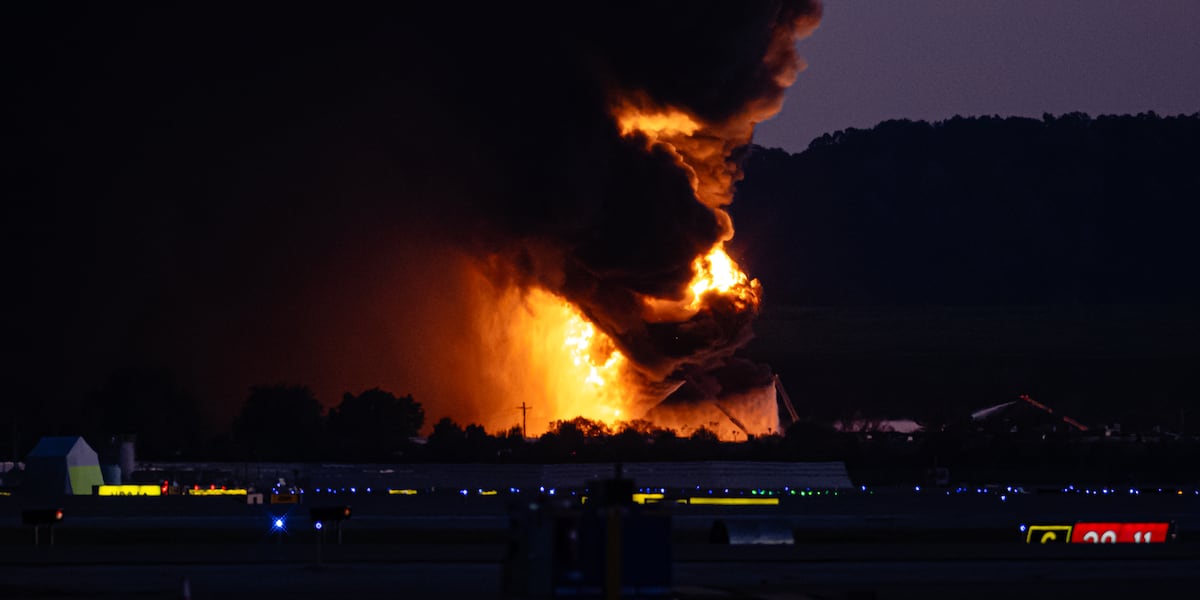
The NTSB's final hearing on the deadly UPS Flight 2976 crash said the engine pylon bearing fractured, along with a lug nut considered a principal structural element, contributing to a crash that killed 15 people and injured dozens. Investigators said the bearing fracture was a known Boeing issue, while the lug nut fracture was previously unknown to the FAA. The hearing highlighted eight reported MD-11 outer race fractures since 2002, including four FedEx cases between 2017 and 2022, underscoring potential maintenance and design concerns for MD-11 aircraft operators.
This is a governance/liability event first and an operations event second. The immediate market impact is not the direct loss estimate; it is the probability that a design- and disclosure-driven class of claims expands from a one-off accident into a broader maintenance, certification, and indemnity overhang for the entire MD-11 freighter fleet. That matters because when regulators discover a failure mode that may have been known internally but inconsistently surfaced, the second-order effect is usually not a single settlement — it is a longer tail of inspections, grounding risk, insurance repricing, and forced capex across operators.
UPS is the clearest near-term loser because the equity is exposed to both reputational damage and the risk of higher freight-transport operating costs if fleet utilization is interrupted by mandated checks or retrofits. FedEx is less directly implicated, but it can still suffer a spillover discount if the market starts to assume systemic MD-11 maintenance scrutiny across operators, even without an incident. Boeing faces the most asymmetric legal risk: if the hearing broadens into evidence of partial knowledge and incomplete escalation, the headline risk shifts from product liability into disclosure/process risk, which can extend well beyond the event window and keep a lid on multiple expansion for months.
The contrarian angle is that the market may overestimate the operational contagion but underestimate the duration of legal drag. Freighter networks are relatively flexible, so the revenue impact from a few aircraft inspections is likely manageable over days-to-weeks; the more material effect is on insurance, reserve assumptions, and management distraction over quarters. If the hearing produces any language suggesting prior awareness without broad fleet action, that is the catalyst for a much larger settlement narrative and potentially a fresh regulatory review of aging cargo aircraft.
For trade timing, the best setup is to sell strength in the airline-logistics complex into any relief bounce rather than chase panic lower. The event has the ingredients for an initial knee-jerk down move, then a slow grind as legal discovery headlines accumulate. That favors options and pairs over outright cash equity exposure because the tail risk is lumpy and headline-driven rather than linear.
AI-powered research, real-time alerts, and portfolio analytics for institutional investors.
Request DemoOverall Sentiment
strongly negative
Sentiment Score
-0.55
Ticker Sentiment
