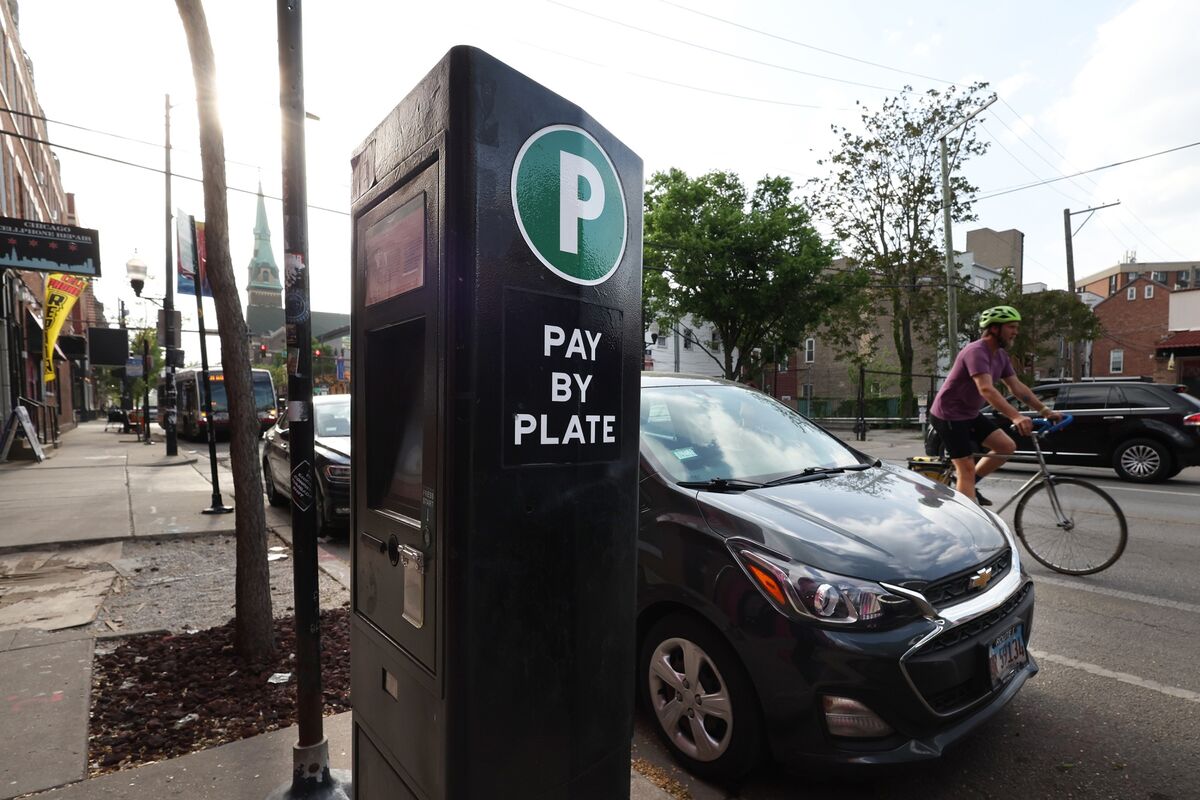
Stonepeak Partners will pay $2.5 billion to buy the remainder of Chicago’s parking meter lease from a Morgan Stanley-led group, with the transaction still requiring Chicago city council approval. The deal is a large private-market asset sale involving infrastructure-like cash flows, but the city is not a party to the transaction. The announcement is notable for the size of the asset transfer, though its immediate market impact is likely limited.
This is less a one-off asset sale than a signaling event for infrastructure secondaries: a stabilized, cash-yielding concession is being repriced in an environment where private capital still wants duration, inflation linkage, and quasi-monopoly cash flows. The cleanest beneficiary is Stonepeak if it can finance the asset at low single-digit debt costs and arbitrage the spread between public-market skepticism and private-market underwriting; the loser is any sponsor holding similar mature infrastructure with refinancing needs, because this sets a reference point for exit pricing and may compress returns at the margin.
For Morgan Stanley, the direct P&L impact is likely immaterial, but the reputational angle matters more than the economics. The key second-order risk is governance: a politically visible transaction tied to a municipally sensitive asset can slow approvals, invite fee scrutiny, and encourage tougher future terms on comparable concessions. That raises the probability of longer holding periods and lower IRRs across the broader infrastructure books if stakeholders begin treating these assets as quasi-public utilities rather than financial assets.
The catalyst window is weeks to months, not days: council approval is the near-term binary, while the real market read-through comes over the next several quarters as other sponsors try to monetize mature toll/parking/utility-style assets. If the approval process becomes contentious, expect a wider bid-ask spread in secondary infrastructure deals and more conservative leverage assumptions from lenders. Conversely, clean approval would reinforce that politically fraught assets can still clear at high valuations, supporting the whole private-markets exit pipeline.
The contrarian take is that the headline price may be less bullish than it looks for private infrastructure broadly, because a single trophy concession with sticky cash flows can anchor expectations upward while masking the illiquidity and governance discount on the rest of the universe. If anything, the market may be underpricing the risk that municipalities use this sale to renegotiate optics, taxes, or fee structures on future transactions, which would hit transaction velocity before it hits headline valuations.
AI-powered research, real-time alerts, and portfolio analytics for institutional investors.
Request DemoOverall Sentiment
neutral
Sentiment Score
0.10
Ticker Sentiment
