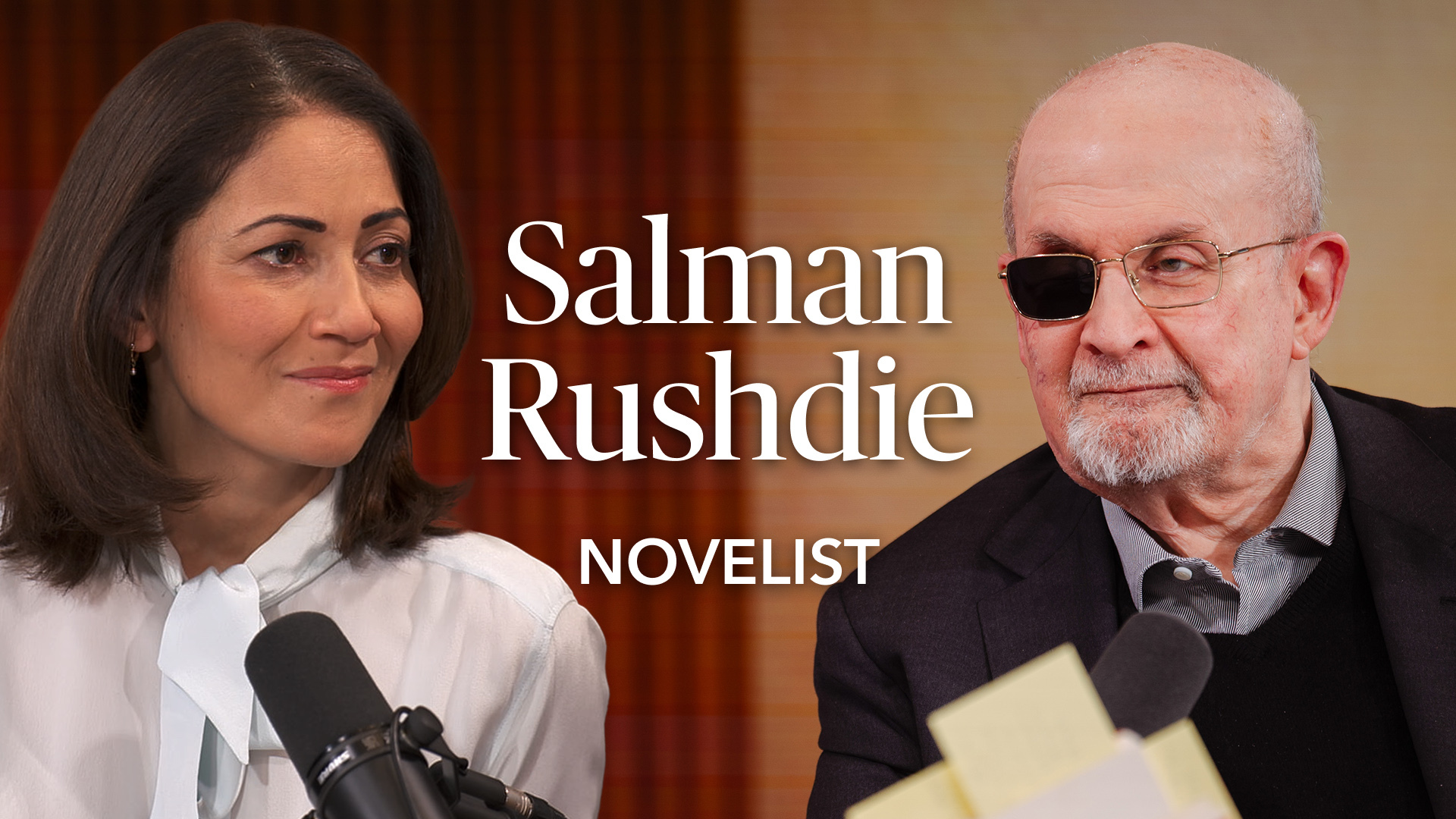
Salman Rushdie, promoting his new short-story collection The Eleventh Hour, discusses his recovery from the 2022 attack and frames broader concerns about freedom of expression across India, the UK and the U.S. He flags rising censorship risks — citing a PEN America figure of some 23,000 active book bans in the U.S. — and warns of political currents reshaping media, education and historical narratives (including nationalist trends in India and contested protest rules in the UK). For investors, the interview highlights policy and reputational risks for publishers, media platforms and education institutions operating across these jurisdictions, rather than direct financial metrics.
Market structure: The article is cultural/political but signals durable demand shocks to media, events security and liability markets. Winners: large e-commerce platforms with book/ebook distribution (AMZN), global publishers and rights holders that can monetize banned-title demand, and insurers/event-security providers (MMC, CB) who can raise premiums for protected appearances. Losers: small brick-and-mortar booksellers, local school-district-dependent publishers, and regional consumer names in politically volatile markets (select India consumer plays).
Risk assessment: Tail risks include rapid legal/regulatory waves (state-level book bans, criminalization of protest activity) or violent incidents that spike insurers’ claims and raise event-cancellation rates; probability meaningful within 3–12 months. Short-term (days–weeks): volatility around high-profile protests/court rulings; medium (3–12 months): re-rating of publishers and insurers; long-term (1–3 years): structural shift toward digital and subscription models if censorship persists. Hidden dependencies include school-board election cycles and federal court rulings; catalysts are court injunctions, PEN/NGO reports and viral social-media deplatforming.
Trade implications: Favor large-cap, diversified digital distributors and risk-intermediation plays while trimming niche regional exposure. Expect higher implied vol on media/retail tickers around controversial releases — use defined-risk option buys to capture asymmetric upside. Bonds and USD may rally on episodic political risk; INR downside of >2% vs USD should trigger tactical India exposure reduction.
Contrarian angles: Consensus focuses on reputational politics; it underestimates recurring revenue lift from backlist sales and subscriptions and overestimates permanent demand loss. Historical parallel: 1989 Rushdie effect created short-term sales spikes and long-term attention — expect 5–15% episodic revenue lifts for platforms/publishers, not permanent margin collapse. Unintended consequence: heavy censorship accelerates digital piracy and benefits major tech platforms, not small publishers.
AI-powered research, real-time alerts, and portfolio analytics for institutional investors.
Request DemoOverall Sentiment
neutral
Sentiment Score
0.00
