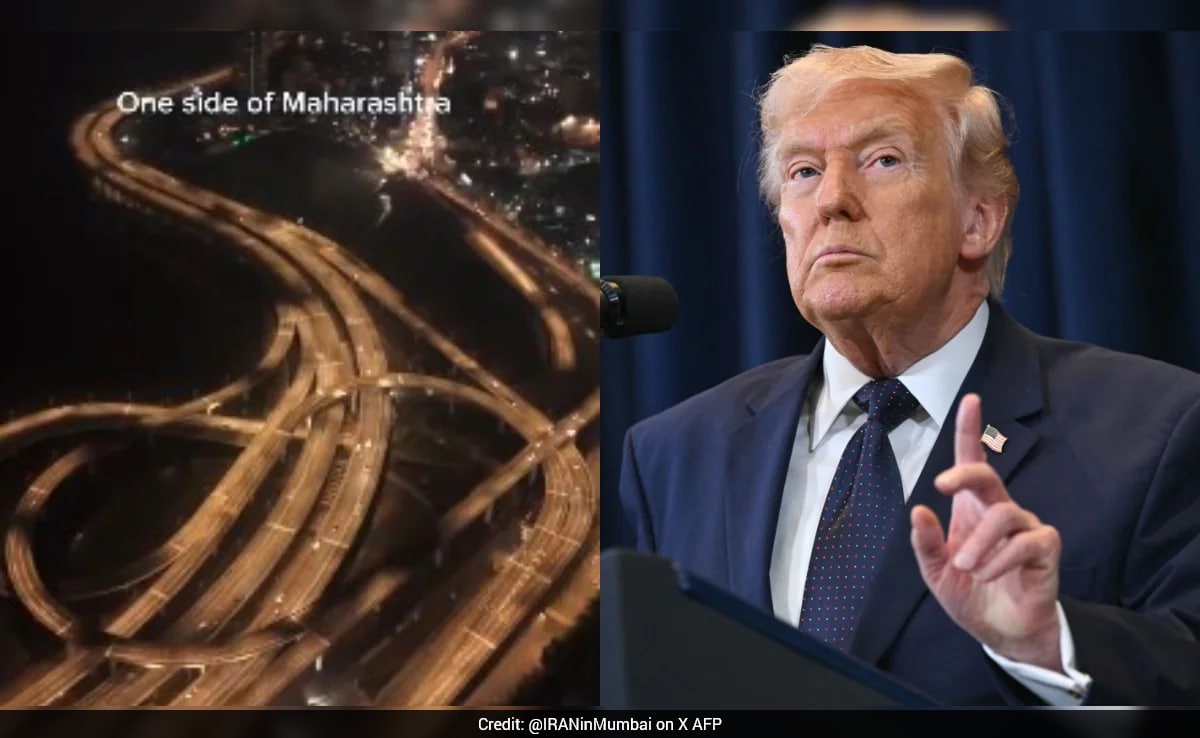
Iran's consulate in Mumbai mocked Donald Trump after his social media remarks about India and China, escalating a diplomatic and rhetorical spat around his 'hell-hole' comments. India responded by calling the remarks 'uninformed, inappropriate and in poor taste,' while the US embassy said Trump still views India as a 'great' country and values his bond with Prime Minister Narendra Modi. The article is mostly political commentary with limited direct market relevance.
This is not a direct market event, but it is a useful read-through on escalation risk in India-US political optics: the issue is unlikely to move trade policy by itself, yet it can harden public sentiment around outsourcing, immigration, and tariff rhetoric. That matters because both parties in the US are entering a period where symbolic anti-foreign messaging gets amplified quickly, and India is one of the few large economies where domestic politics, diaspora pressure, and strategic cooperation intersect.
The second-order effect is reputational rather than macro: Indian consumers are likely to reward nationalist signaling, while US multinationals with heavy India exposure face a slightly higher chance of being dragged into political narratives around visas, offshoring, and data localization. In the near term, that can create modest headline risk for tech services, consulting, and consumer brands that rely on India growth or Indian-American demand, even if fundamentals are unchanged.
The larger risk is if this kind of rhetoric broadens from social media skirmishes into visa or trade restrictions during the next policy cycle. That would be a months-long catalyst, not a days-long one, and would hurt Indian outsourcing models more than US companies with diversified delivery footprints. The market is probably underpricing how quickly a “culture war” frame can metastasize into procurement caution at the margin, especially for public-sector and regulated-industry contracts.
Contrarian view: the immediate reaction may be overdone on the downside for India-linked assets because diplomatic friction of this type often produces a fast reset once official channels reassert the strategic relationship. The trade is therefore less about a directional bet on India and more about owning volatility where headlines can exaggerate moves in exposed names while core fundamentals remain intact.
AI-powered research, real-time alerts, and portfolio analytics for institutional investors.
Request TrialOverall Sentiment
mildly negative
Sentiment Score
-0.15
