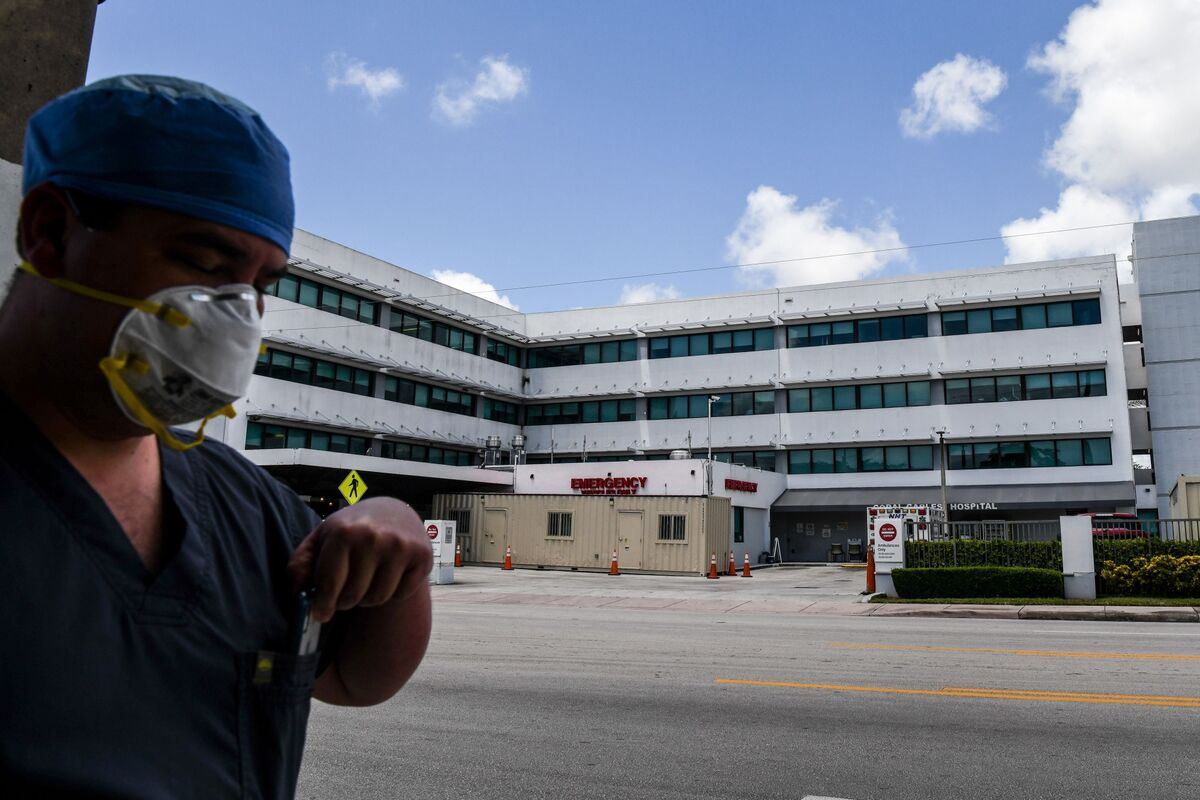
Hospitals that emerged from the bankruptcies of Steward Health Care System and Prospect Medical Holdings are already showing renewed distress, undermining the hoped-for stabilization of a major hospital landlord's tenant base. The article points to continued operating weakness across the sector after two years of stress, with implications for landlord cash flows and tenant credit quality. While no single new filing is cited, the reopening of financial strain signals ongoing restructuring risk in hospital real estate.
The key second-order issue is that the problem is no longer just tenant solvency; it is landlord cash-flow credibility. When distressed operators cycle in and out of restructuring, the landlord loses not only rent but also the ability to underwrite occupancy, capex recovery, and refinance terms on the basis of stable NOI. That creates a feedback loop where higher vacancy and higher tenant-improvement spending compress property-level cash yields, which then pressures debt service coverage and increases the probability of lender controls or forced asset sales over the next 6-18 months. This also changes the competitive landscape for hospitals and healthcare real estate more broadly. Health systems with stronger balance sheets can cherry-pick patients, staff, and service lines from weakened facilities, while vendors and staffing firms tighten terms for everyone in the chain. The likely winners are well-capitalized regional operators and bondholders of systems with scale; the losers are landlords concentrated in distressed footprints, where each re-tenanting event is likely to come with lower rent, higher concessions, and more political scrutiny around closures. The market may be underestimating how slowly these situations heal even after bankruptcy exit. A formal restructuring can fix the balance sheet but not the underlying labor, payer mix, and utilization problems that caused stress in the first place, so renewed distress can reappear within quarters rather than years. The contrarian takeaway is that headline bankruptcy relief should not be treated as a durable credit event; it is often only the start of a multi-year balance-sheet repair cycle, and the near-term risk is another wave of amendments, DIP-like rescue financing, or selective asset seizures if refinancing windows tighten.
AI-powered research, real-time alerts, and portfolio analytics for institutional investors.
Overall Sentiment
moderately negative
Sentiment Score
-0.45
