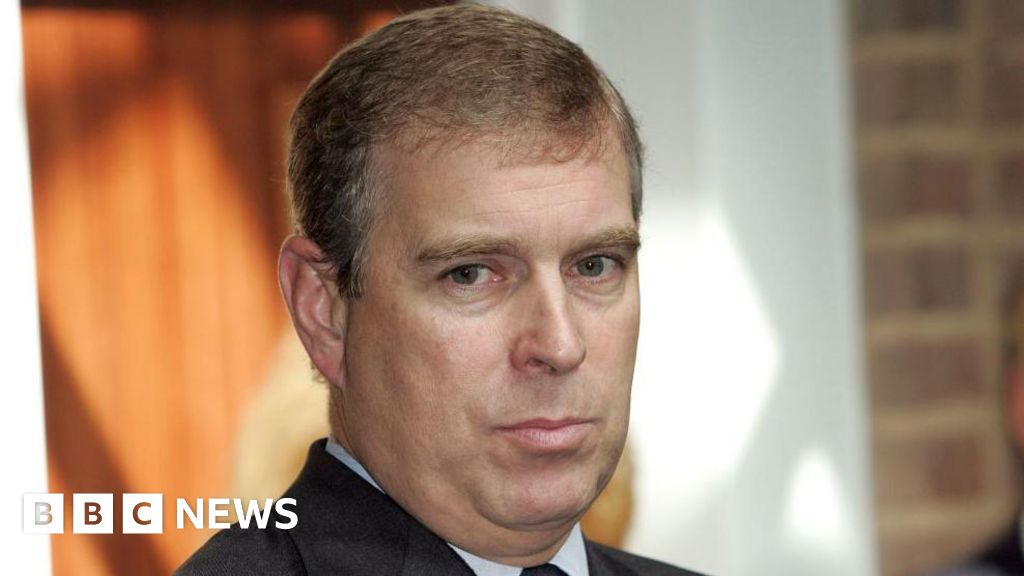
Whistleblowing former civil servants allege that Prince Andrew charged taxpayers for massage services and excessive travel and entourage costs while acting as the UK’s unpaid trade representative between 2001 and 2011. The Department for Business and Trade has not disputed the massage claim but cited an ongoing police investigation after a recent arrest on suspicion of misconduct in public office; MPs are considering an inquiry into trade envoy accountability, creating reputational and governance risks for public institutions rather than direct market or fiscal shocks.
Market structure: This is primarily a governance/reputational shock with concentrated UK political risk — winners are safe-haven sovereigns and large non-UK exporters; losers are UK-sensitive assets (domestic services, government-facing consultancies, hospitality tied to official travel). Pricing power hasn’t structurally shifted, but short-term demand for sterling liquidity and short-dated gilts could rise if the story broadens; expect GBP swings of 0.5–2% and 2–5bp moves in UK 2–10y gilts on bad headlines.
Risk assessment: Tail risks include a widened political inquiry that forces tighter public-spend controls or cabinet instability (low probability, high impact) causing >3% GBP drop and +10–30bp gilt repricing. Immediate window (days) is headline-driven; short-term (weeks) could see sector rotations; long-term (quarters) depends on policy response to inquiries and any formal budget tightening. Hidden dependencies: FOI revelations or Lownie’s book release (catalyst within 30–90 days) and election-cycle sensitivity could amplify moves.
Trade implications: Tactical trades favor short UK beta vs global beta: short EWU (iShares MSCI United Kingdom) vs long SPY or EWG (Germany) for 1–3 month horizon, sizing 1–3% AUM depending on conviction. FX option play: buy 1-month GBPUSD puts (~30–35 delta) sized 0.5% AUM; buy 3-month protection on UK gilts (buy 3m payer swaptions) only if 10y gilt yield drops <–10bp on risk-off. Trim direct exposure to UK hospitality/travel names (e.g., IHG.L, CPG.L) by 1–2% if operationally exposed to government travel revenues.
Contrarian angles: Consensus treats this as niche reputational noise; it could produce regulatory tightening around expense oversight and formalize rules for envoys, benefiting compliance/software vendors (small-cap governance tech) and pressuring discretionary travel revenues. Reaction may be underdone in corporate governance plays — long small-cap UK compliance/SaaS names (2–4% theme exposure) for 6–12 months if FOI leaks materialize. Unintended consequence: heavy negative headlines could strengthen sterling rallies if market treats it as contained, so keep stop-losses tight (GBP moves >+2% reverse FX puts).
AI-powered research, real-time alerts, and portfolio analytics for institutional investors.
Request DemoOverall Sentiment
moderately negative
Sentiment Score
-0.45
