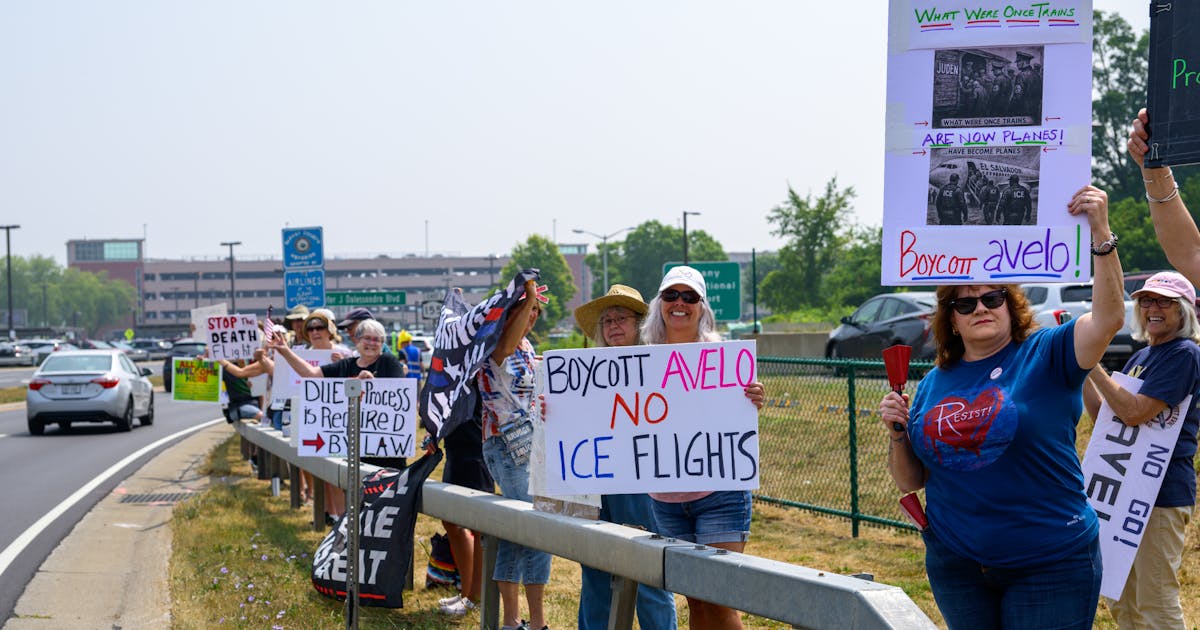
Avelo Airlines has ended its participation in government deportation flights after CEO Andrew Levy said the program provided short-term financial benefits but harmed the carrier’s long-term reputation and failed to deliver consistent revenue. The carrier will close its Mesa (Phoenix-area) base on January 27 and is also shuttering Raleigh‑Durham and Wilmington bases, resulting in job cuts and canceled commercial flights. Avelo’s spokesperson said there was never a formal DHS/ICE federal contract, while DHS awarded CSI Aviation more than $673 million for FY2026, indicating other providers will capture the government business. The decision constitutes a material operational contraction and reputational setback that is likely to pressure Avelo’s near-term revenue and growth outlook.
Market structure: The immediate winners are specialist charter/government contractors (CSI Aviation, GlobalX/Eastern Air Express-type operators) who get DHS revenue visibility; public leisure carriers (ALGT, SAVE, LUV) are secondary beneficiaries as they can backfill leisure routes vacated by Avelo, tightening local capacity by an estimated 5–15% in affected markets (Mesa/RDU/WIL) for 1–3 months. Losers are Avelo (brand, base closures, near-term cash burn) and small community airports that lose service and related regional economic activity. Risk assessment: Tail risks include DHS consolidating large FY2026 awards to a single contractor or regulatory/legal challenges that raise operating costs for any carrier doing government flying; such moves could reallocate $500M+ of revenue and materially change credit profiles within 60–180 days. Hidden dependencies include municipal airport revenues and muni-credit links (airport charges, concessions) that could see localized stress if enplanements drop >10% year-over-year. Trade implications: Implementation favors relative-value, short-dated option strategies: favor 3–6 month bullish exposure to leisure carriers that serve the affected markets (ALGT, SAVE) via call spreads sized 1–3% each; hedge sector beta by shorting broad airline exposure (JETS ETF) 1% to 2% to capture re‑routing upside without broad cyclical risk. Watch catalysts — DHS contracting notices and airport O&D data over the next 30–90 days — to add or trim positions. Contrarian angle: The market is over-indexing on the reputational story vs. economics: government flying was never a majority revenue stream for most carriers, so long-term industry capacity is unlikely to materially change; if protests deter majors from bidding, specialist contractors could become entrenched, creating a multi-quarter revenue tail for them. Historical precedent (post-crisis contract consolidation) suggests 6–12 month consolidation winners can earn 5–15% above consensus EPS if they capture sizeable DHS share.
AI-powered research, real-time alerts, and portfolio analytics for institutional investors.
Request DemoOverall Sentiment
moderately negative
Sentiment Score
-0.45
