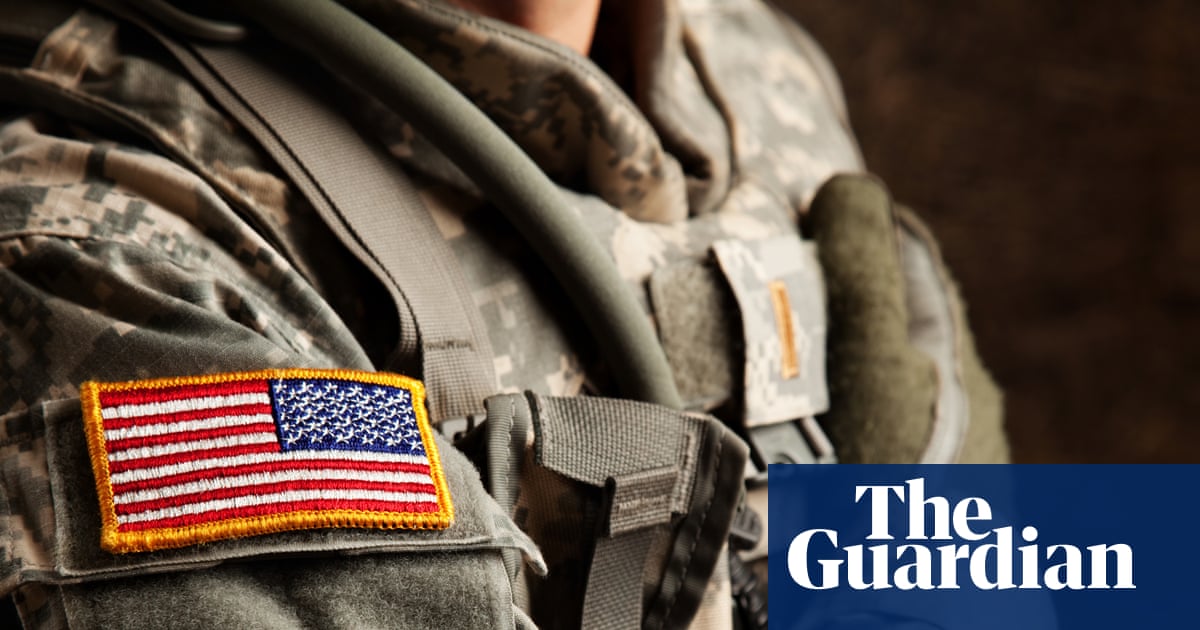
Two US service members are missing in south-western Morocco after an incident during the African Lion multinational military exercises, prompting an ongoing search and rescue operation. The event is under investigation and appears operational rather than market-moving, though it highlights risks tied to large-scale defense cooperation and training activity across North Africa.
This is not a market-moving event by itself, but it is a reminder that the soft underbelly of US force projection is logistics, not hardware. A missing-persons event in a multinational exercise tends to create a short-lived halo of scrutiny around training safety, emergency response, and command credibility rather than a direct budget shift; the second-order effect is a marginally higher political cost for overseas drills that depend on host-nation access and public support.
The biggest beneficiaries are likely the contractors and systems tied to search-and-rescue, ISR, secure comms, and training realism rather than prime platform names. If the investigation reveals weather, terrain, or procedural gaps, expect a modest tailwind for firms selling contested-environment survivability, medevac support, and tracking/blue-force systems; if it instead points to benign training risk, the issue fades quickly and the market will ignore it within days.
The contrarian angle is that headlines like this often get interpreted as evidence of deteriorating readiness when the more important message is the opposite: allied exercises are large and complex enough to surface operational failure modes before a real crisis does. In that sense, any overreaction in defense names would be a buying opportunity, while the real risk is reputational drag for countries or units associated with the incident if the search extends beyond a week or turns into a recovery operation.
From a positioning standpoint, this is more useful as a watchlist catalyst than a standalone trade. The key variable is not the incident itself but whether it leads to a broader review of overseas exercise safety standards, which would matter over months for training-focused defense budgets and base-support contractors.
AI-powered research, real-time alerts, and portfolio analytics for institutional investors.
Request DemoOverall Sentiment
neutral
Sentiment Score
-0.10
