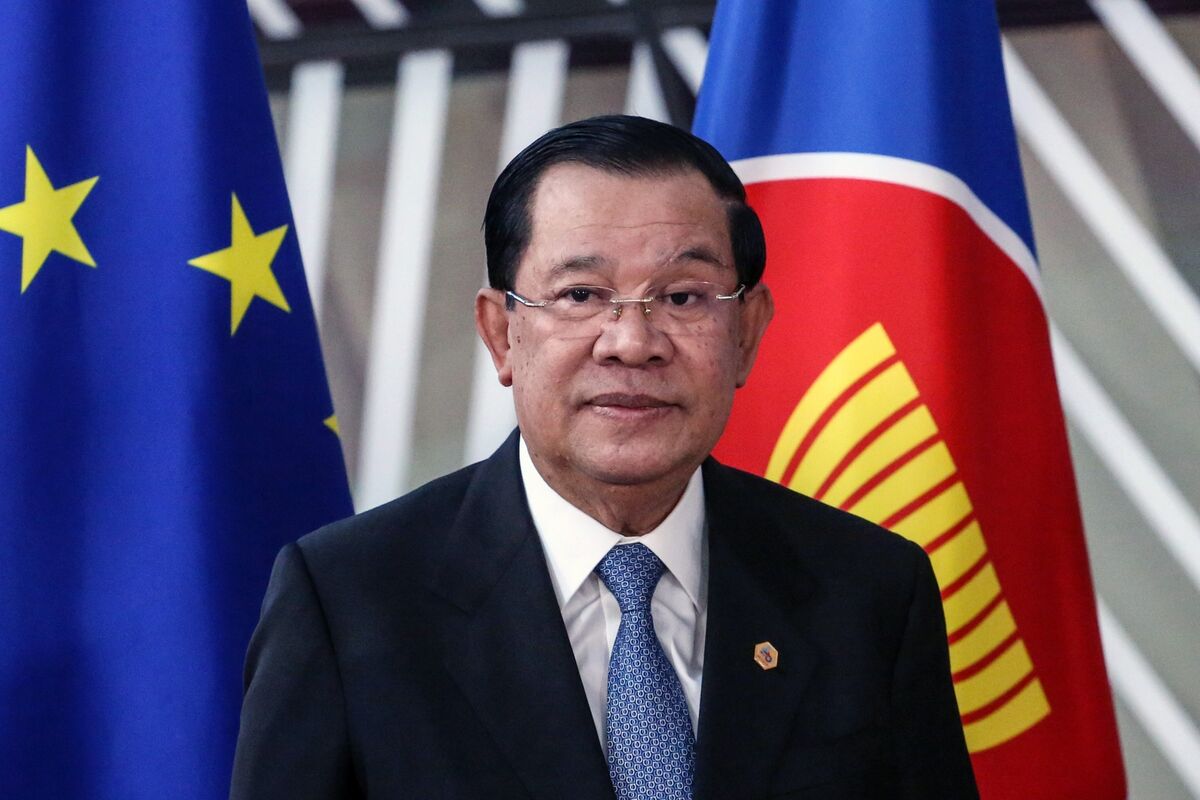
Cambodia's influential former Prime Minister Hun Sen publicly called for a change in Thailand's leadership, expressing hope that a new prime minister would better resolve an ongoing border dispute and de-escalate regional tensions. This direct intervention highlights escalating political friction between the two nations, a development relevant for assessing regional stability.
A significant geopolitical development has emerged in Southeast Asia, with Cambodia's most influential politician, former Prime Minister Hun Sen, publicly calling for a leadership change in neighboring Thailand. Citing an ongoing border dispute, Hun Sen explicitly stated his hope for a new Thai prime minister to resolve the issue and de-escalate what he terms a "confrontational" relationship. This direct intervention into the domestic politics of another sovereign nation signals a notable increase in political friction between the two ASEAN members. However, the associated data signals indicate a neutral market sentiment and a market impact score of zero, suggesting that investors currently view this as political rhetoric rather than a tangible threat to regional economic stability or cross-border trade.
AI-powered research, real-time alerts, and portfolio analytics for institutional investors.
Request DemoOverall Sentiment
neutral
Sentiment Score
0.00
