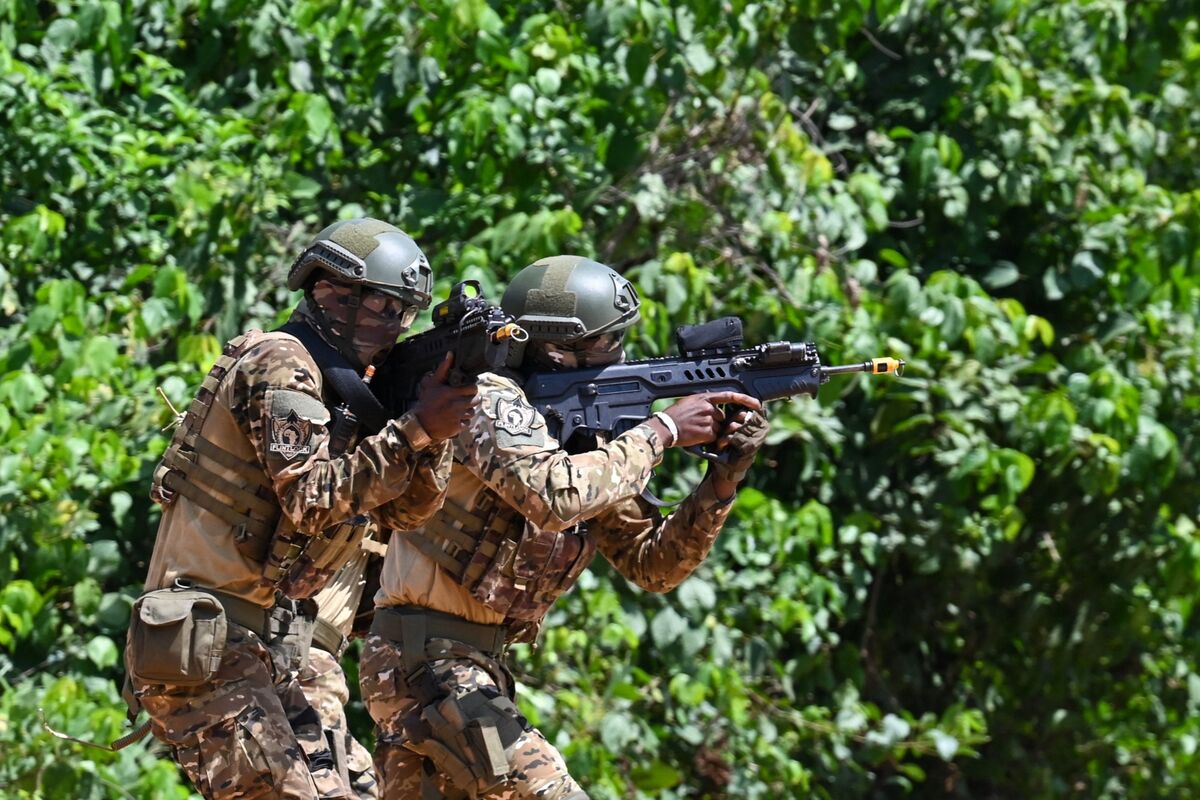
An attack in northern Ivory Coast killed four people, with assailants also burning vehicles and stealing cattle near the Burkina Faso border, as confirmed by Army Chief of Staff Lassina Doumbia. This incident highlights the increasing security threat from West African Sahel militants to coastal states, signaling potential regional instability and broader geopolitical risk.
A confirmed attack by unidentified assailants in northern Ivory Coast, resulting in four fatalities and the destruction of property, highlights a tangible spillover of regional instability. The incident occurred approximately 2 kilometers from the Burkina Faso border, underscoring the increasing security threat that militants from the Sahel region pose to coastal West African states. While the event is thematically categorized under Geopolitics & War, its low market impact score of 0.1 suggests that financial markets currently view this as a localized event rather than a systemic threat to the nation's broader economic stability. Nevertheless, the statement from the Army Chief of Staff, Lassina Doumbia, officially validates the event and contributes to a rising geopolitical risk profile for a country previously seen as an anchor of stability in the region.
AI-powered research, real-time alerts, and portfolio analytics for institutional investors.
Request DemoOverall Sentiment
neutral
Sentiment Score
0.00
