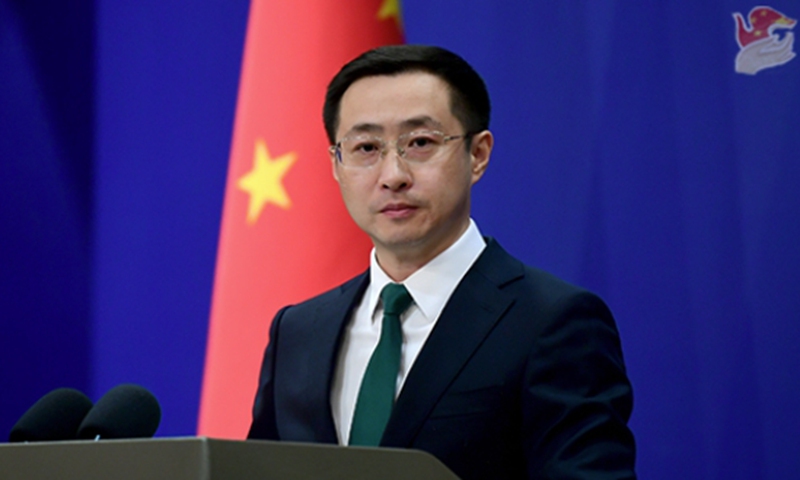
Japan's cabinet approved a fiscal 2026 budget that would raise defense spending to over ¥9 trillion, a record level pending parliamentary approval, prompting sharp public criticism from China which framed the move as remilitarization. Beijing singled out Tokyo's recent policy shifts — including relaxed collective self-defense rules, development of enemy-base strike capabilities, proposed security document revisions and pro-nuclear statements by officials — and warned these steps raise regional tensions and economic burdens for Japanese citizens. For investors, the announcement signals potential sustained uplift to Japan's defense procurement and related sectors but also elevates geopolitical risk in East Asia and may weigh on Japan's fiscal outlook and sovereign risk perception over time.
Market structure: Japan’s planned >9 trillion yen (≈$60bn) defense budget pivots demand toward domestic primes (shipbuilding, heavy machinery, avionics, missiles), steel and specialty metals, semiconductors for guidance/AE systems, and MRO services. Winners: Mitsubishi Heavy (7011.T), Kawasaki Heavy (7012.T), Nippon Steel (5401.T), suppliers of precision alloys and radars; losers: tourism, consumer discretionary and social-capex-linked municipal projects facing fiscal crowding-out. Cross-asset: higher fiscal supply increases JGB issuance risk, pressuring yields; commodities (steel, copper, rare earths) see multi-quarter demand lift; FX/volatility ambiguous — geopolitical risk can bid JPY as safe-haven while fiscal stress can weaken it if markets fear deficit monetization.
Risk assessment: Tail risks include Sino-Japan escalation (trade restrictions, targeted sanctions) and a BoJ policy inflection that removes yield caps; trigger levels to watch: 10y JGB >0.6% sustained (5 trading days) or USD/JPY move >4% in 7 days. Immediate (days): knee-jerk FX and equity volatility; short-term (weeks–months): re-rating of defense suppliers and JGB curves; long-term (quarters–years): sustained capex creates multi-year revenue streams for domestic suppliers but raises sovereign debt service pressure. Hidden dependencies: export controls, offset clauses favoring domestic content, and supply-chain bottlenecks for specialty semiconductors and rare earth inputs.
Trade implications: Direct plays: overweight Japanese defense primes and specialty-material names for 6–18 months while hedging JGB duration. Pair trades: long 7011.T/7012.T (2–3% each) vs short ANA (9202.T) or JAL (9201.T) (1–2%) to capture rotation from tourism to defense capex. Options: buy 6–12 month call spreads on LMT and RTX to capture global re-armament upside; purchase 3-month USD/JPY puts if USD/JPY breaches 149 (target 155) to hedge fiscal-driven yen weakness. Rotate out of domestic REITs and discretionary into industrials/engineering over next 3–9 months.
Contrarian angles: Consensus underestimates multi-year domestic content rules — small/mid-cap suppliers (precision engineers, composites, control systems) are likely to see outsized revenue gains but are not yet priced in; look for 30–50% idiosyncratic upside in select SMEs. Reaction may be underdone in defense equities but overdone in JGB selloff if BoJ intervenes; therefore prefer equity exposure hedged with targeted duration protection rather than outright long gold or blanket FX bets. Historical parallel: 2014–16 defense procurement cycles produced 12–36 month revenue uplift for suppliers; expect similar lags (contract awards 6–18 months) and front-loaded supply-chain bottlenecks that can create short-term dislocations.
AI-powered research, real-time alerts, and portfolio analytics for institutional investors.
Request DemoOverall Sentiment
moderately negative
Sentiment Score
-0.45
