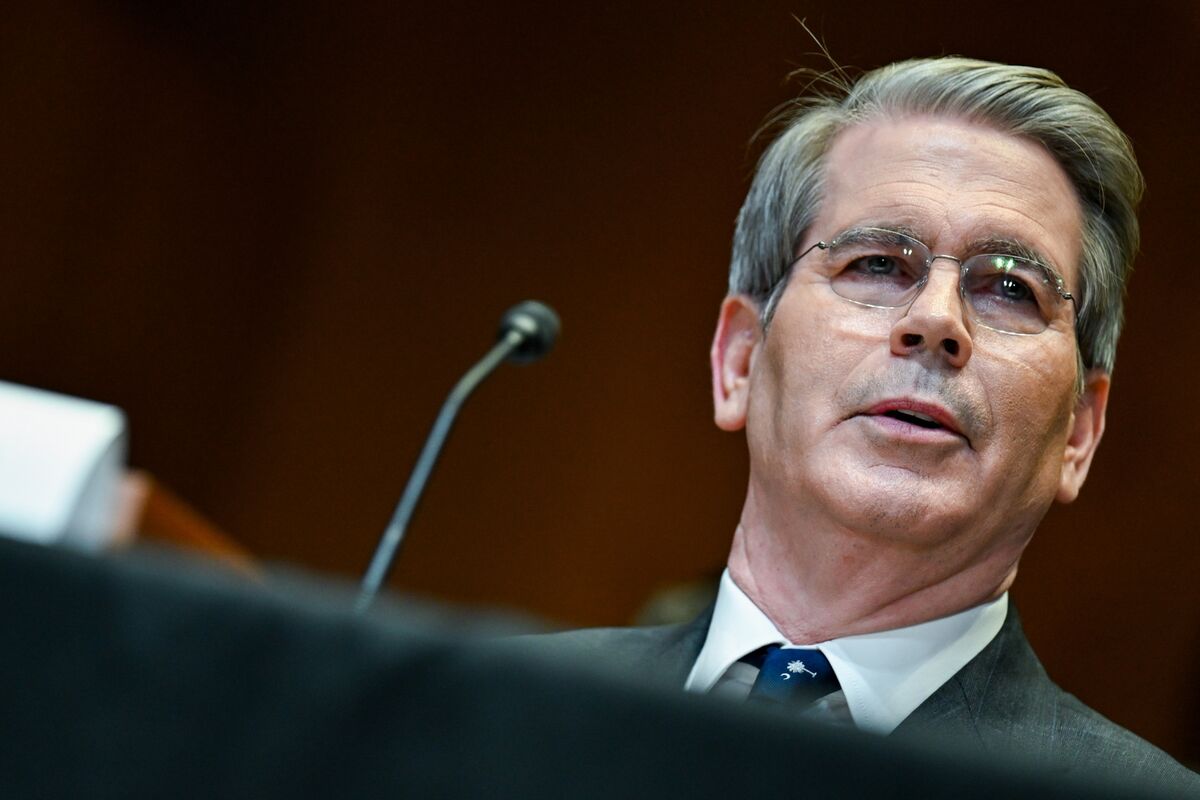
Treasury Secretary Scott Bessent has extended the period for deploying special accounting measures to manage the US debt limit through July 24, 2025, providing a longer operational window. Concurrently, Bessent reiterated his urgent guidance to Congress to increase or suspend the debt limit before its scheduled August recess, signaling continued pressure on lawmakers to address the fiscal ceiling despite the extended temporary measures.
The U.S. Treasury has extended the deployment period for its special accounting measures through July 24, 2025, effectively pushing back the immediate threat of a government debt default. This action by Treasury Secretary Scott Bessent provides a longer operational window for the government to manage its obligations within the existing debt limit. However, this extension is a temporary stopgap, not a long-term solution. The Secretary's concurrent reiteration of his urgent call for Congress to raise or suspend the debt limit before its August recess underscores the persistent fiscal uncertainty. This dual messaging signals to markets that while an immediate crisis has been averted, the underlying political and legislative risk remains significant. The mixed sentiment signal (-0.05) accurately reflects this environment of short-term relief tempered by the unresolved nature of the fiscal standoff, which continues to pose a moderate (0.55 impact score) risk to market stability.
AI-powered research, real-time alerts, and portfolio analytics for institutional investors.
Request DemoOverall Sentiment
mixed
Sentiment Score
-0.05
