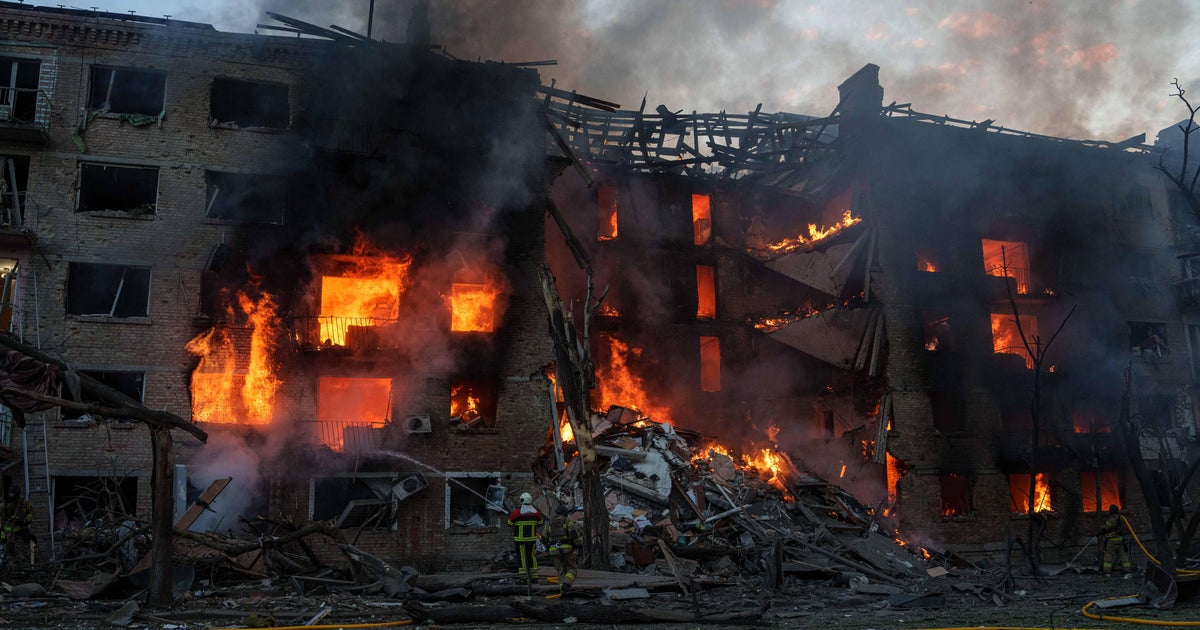
Russia launched a massive overnight attack on Ukraine using 600 strike drones and 90 missiles, including the nuclear-capable Oreshnik ballistic missile, killing at least 2 people and wounding 83. Ukraine said its air defenses intercepted or jammed 549 drones and 55 missiles, but not all ballistic missiles were stopped, highlighting severe interceptor shortages. The strike damaged buildings across Kyiv and marks the third reported use of the Oreshnik in the war, elevating geopolitical risk materially.
This is less about the headline military event than about a structural shift in the threat model for European risk assets: the market now has to price a higher probability of sustained escalation plus a larger and more persistent drain on Ukraine’s interceptor inventory. The second-order effect is that air defense becomes the bottleneck, not offensive capacity; that is a slow-burn bearish factor for any asset exposed to a prolonged war of attrition because each saturation attack reduces the odds of cheap containment and raises the probability of funding cliffs for Kyiv and its backers.
For defense industrials, the setup is not simply ‘more spending’—it is a qualitative reallocation toward interceptors, radar, EW, and layered air defense, with the most immediate beneficiaries likely being Western missile-defense supply chains rather than traditional artillery primes. The tightest constraint is Patriot-class missile supply, which implies prolonged pricing power for select missile and sensor franchises, but also a procurement lag that can leave headline demand ahead of realized revenue for multiple quarters. Expect European governments to fast-track replenishment orders and stockpile mandates, which should support order backlogs more than near-term deliveries.
The market may be underestimating the spillover into emerging markets and energy logistics: repeated large-scale strikes increase insurance premia, widen shipping and overland transport risk in the Black Sea corridor, and keep a war-risk discount embedded in Eastern European FX and local credit. If Kyiv’s defenses continue to show leakage, the bearish tail risk is not just more damage in Ukraine but a broader repricing of European security assumptions, with higher defense spending crowds out fiscally sensitive sectors and delays any normalization trade in regional assets.
Contrarian view: the consensus is likely too linear on escalation. A bigger Russian strike can catalyze faster Western resupply, tighter sanctions enforcement, and accelerated European defense procurement, which would convert near-term fear into a medium-term revenue inflection for select contractors. The main risk to the bearish macro trade is policy response speed; if the U.S./EU unlock interceptor shipments and financing within weeks, the tactical panic may fade even if the strategic conflict remains unresolved.
AI-powered research, real-time alerts, and portfolio analytics for institutional investors.
Request DemoOverall Sentiment
extremely negative
Sentiment Score
-0.95
