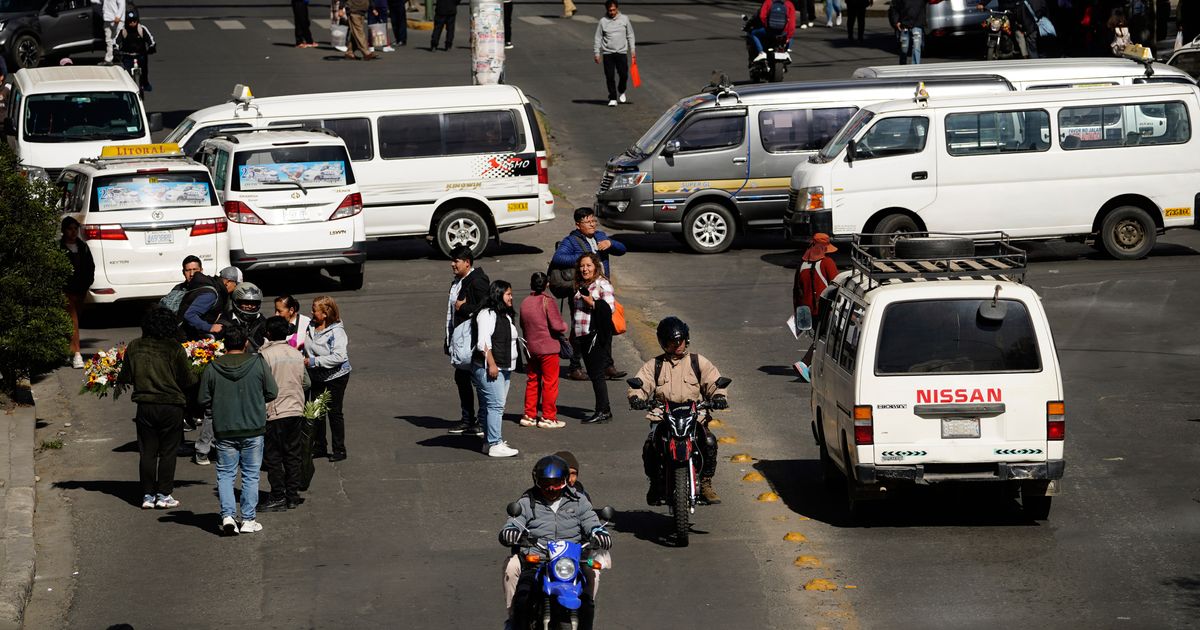
Bolivia's new government implemented a 100% increase in fuel prices to eliminate costly subsidies, triggering nationwide transport strikes and protests in La Paz and Santa Cruz that have shut down public transit and driven up food and fare costs. The administration cites 22% accumulated inflation and a 12.5% of GDP fiscal deficit, says cutting subsidies will save $3 billion for investment, has approved a 20% wage increase and preserved social bonuses, and secured an initial $550 million CAF loan to stabilize the economy — measures that reduce fiscal strain but risk near-term social unrest and higher inflationary pressure that could deter investors and raise sovereign risk concerns.
Market structure: Removing fuel subsidies is an immediate transfer of fiscal burden from the state to consumers that benefits the government’s fiscal accounts (estimated $3bn savings) and creditors but directly harms urban transport, food producers and low-income consumers. Expect transport operators, informal logistics and short-haul distributors to see unit costs double and unit margins collapse unless local fares rise by ~50–100% or municipalities provide compensation within 7–30 days.
Risk assessment: Tail risks include nationwide escalation (general strikes, government reversal, capital controls) that could blow out sovereign spreads by +300–600bps and force emergency IMF/CAB packages within 1–3 months; short-term (days–weeks) supply disruptions to food/transport are most likely, while a sustained fiscal consolidation reduces long-term inflation by quarters if reforms stick. Hidden dependencies: Bolivia’s limited FX reserves and diesel imports make it vulnerable to contagion in regional fuel markets and to portfolio flight into USD/precious metals.
Trade implications: Near term, expect risk-off in Bolivian and nearby LatAm assets — sell local sovereigns and local-currency debt, buy USD and gold as defensive hedges; protection via Bolivia CDS or Latin America equity puts is appropriate if spreads widen >150bps. Over months, if reforms are credible and CAF/IMF support materializes, select long positions in regionals with strong balance sheets (large diversified miners/energy producers) can be reintroduced.
Contrarian angle: Consensus assumes prolonged instability; market may underprice eventual fiscal consolidation benefits (22% inflation baseline, 12.5% deficit). If government maintains decree and secures $550m+ CAF loan plus private inflows, sovereign credit could re-price tighter within 6–12 months — creating a buying window for beaten-down hard-currency sovereigns and selective regional cyclicals.
AI-powered research, real-time alerts, and portfolio analytics for institutional investors.
Request DemoOverall Sentiment
strongly negative
Sentiment Score
-0.60
