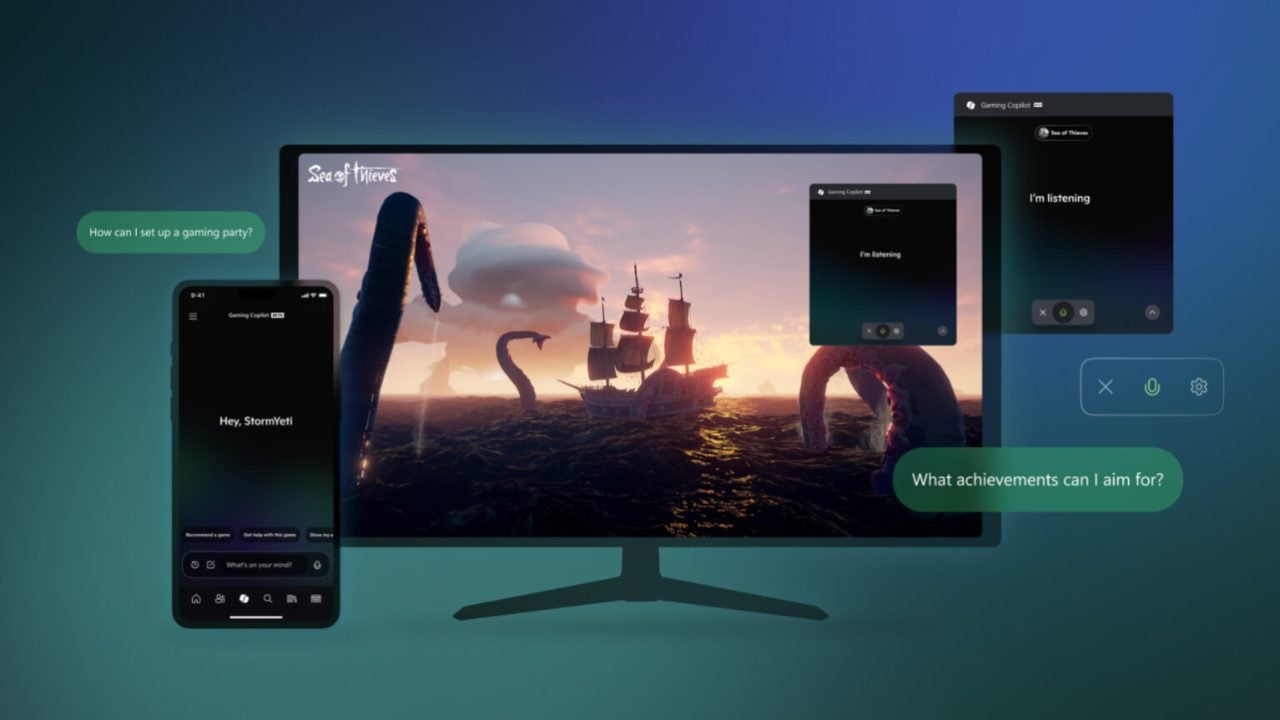
Xbox has reportedly stopped development of Copilot for consoles and is reducing AI use in mobile games, signaling a pullback from an AI feature push that has not caught on with users. The article frames this as a response to weak consumer demand and a need to realign product priorities under new Xbox president Asha Sharma. Impact is likely limited, but it is a negative read-through for Xbox’s AI strategy and broader gaming product roadmap.
This is less about a single feature rollback and more about Microsoft acknowledging that forced AI distribution can damage engagement economics. In gaming, the user tolerance for latency, false positives, and intrusive UX is far lower than in office software; if AI feels like clutter, it can reduce session length, conversion, and retention before it ever creates monetizable usage. That matters because Xbox is not just a product line but a strategic wedge for keeping consumers in Microsoft’s ecosystem, so any AI misstep here is a negative signal for how aggressively the company can push copilots into other consumer surfaces.
The second-order loser is the broader “AI everywhere” narrative inside consumer tech. If the console category rejects embedded AI, other platform owners will be more cautious about default-on assistants in entertainment and hardware where the willingness to pay is weak and user switching costs are low. That creates a relative advantage for companies that use AI as an opt-in productivity tool rather than a bundled consumer feature, and it may also slow the pace at which hardware refresh cycles are justified by AI alone.
For MSFT, the main risk is not near-term earnings but multiple compression if investors start treating consumer AI ambitions as an execution drag rather than an incremental growth vector. The catalyst window is months, not days: watch for product simplification, org changes, and any commentary that shifts from distribution to monetization discipline. A meaningful reversal would require evidence that AI actually lifts engagement metrics in gaming or that AI features reduce churn without increasing support/friction, which is a high bar.
The contrarian point is that this could be value-destructive only if management overreacts and deprioritizes AI where it is clearly useful. A clean pullback from unwanted consumer placement may ultimately improve adoption by making the AI feel less spammy; in that case, the short-term negative sentiment would be an opportunity rather than a thesis break. The market should distinguish between “AI product failure” and “bad product packaging,” because only the former deserves a lasting discount.
AI-powered research, real-time alerts, and portfolio analytics for institutional investors.
Request DemoOverall Sentiment
mildly negative
Sentiment Score
-0.25
Ticker Sentiment
