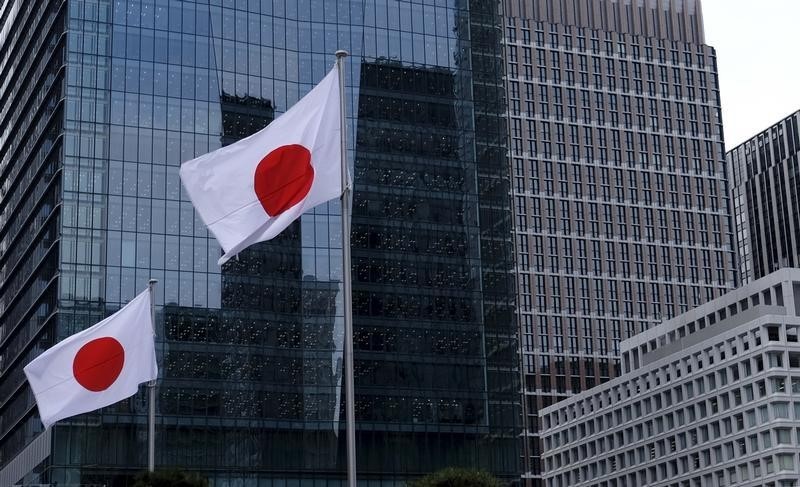
Japan will release 80 million barrels from its strategic reserves as part of a 400-million-barrel IEA coordinated release to mitigate a Strait of Hormuz disruption, with global crude testing the $100/bbl level. Tokyo signals high legal and political hurdles to deploying naval escorts or minesweepers, increasing geopolitical risk and the potential for prolonged supply constraints that could pressure the yen and industrial output. PM Takaichi must balance domestic opposition with alliance commitments and will meet President Trump on March 19 to clarify U.S. expectations, leaving markets exposed to elevated volatility in energy and FX.
A persistent disruption to seaborne crude flows tightens spot market liquidity and re-prices the Atlantic/Pacific arbitrage; that structurally favors producers with flexible takeaway (US onshore E&Ps) and owners of crude tanker capacity over integrated refiners that are long conversion exposure. Expect voyage distances to rise on rerouting, pushing time-charter rates for product and crude tankers materially higher for the next few quarters while simultaneously increasing bunker and freight cost pass-through into industrial margins.
Currency and balance‑of‑payments channels amplify the shock for large energy importers: a weaker trade balance plus risk‑off flows typically produces outsized FX moves before fiscal/monetary offsets take hold. Central bank reactions (policy rate differentials or FX intervention) are the likely next inflection — these are 1–6 month drivers that can either compound or partially unwind the initial shock depending on credibility and size of intervention.
Political/legal constraints on allied military participation make a rapid security-led restoration of seaborne flows unlikely; that increases the probability that market adjustments (inventory drawdowns, freight arbitrage, insurance repricing) rather than military action will determine price formation in the near term. Over 6–24 months, however, the same political pressure strengthens the case for stepped-up defense procurement and naval logistics spending, creating a multi-year capex tailwind for select defense primes and shipbuilders.
Key catalysts to watch: insurance premium moves and long‑dated tanker charter curves (near-term spikes signal persistent disruption); central bank FX interventions or SPR refill announcements (would reverse risk premia); and any coordinated multinational escort framework (would materially compress the logistics premium). Tail risk remains asymmetric — an escalation that broadens the theater would produce outsized commodity price jumps and shipping chaos, while rapid diplomacy would snap markets back within weeks.
AI-powered research, real-time alerts, and portfolio analytics for institutional investors.
Request DemoOverall Sentiment
moderately negative
Sentiment Score
-0.45
