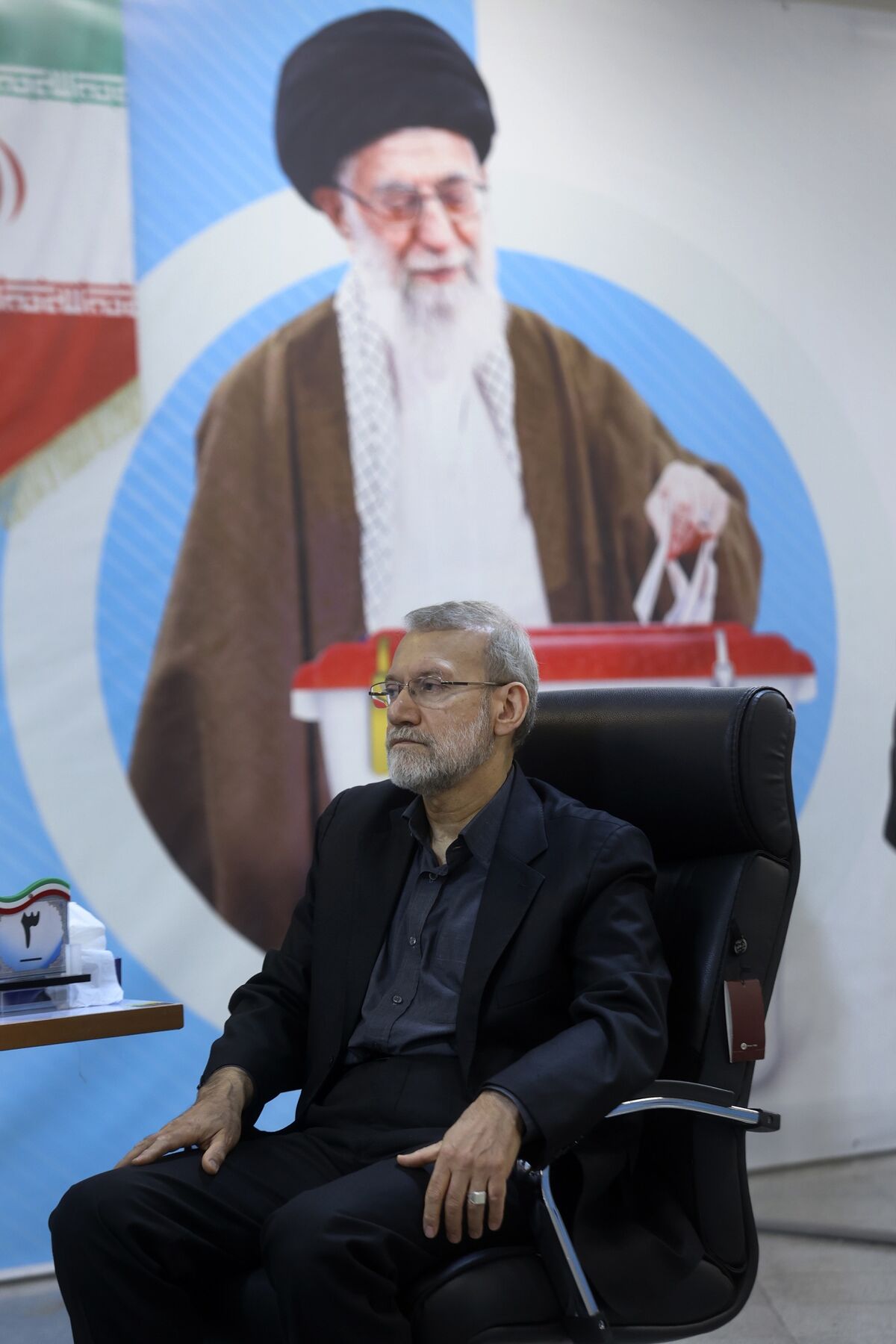
Israel's assassination of Iran's national security adviser Ali Larijani removes a key diplomatic off-ramp and consolidates wartime leadership among hardliners, increasing the likelihood of a prolonged regional confrontation. Expect a near-term risk-off shock: higher oil-price volatility, widened EM sovereign risk premia and FX stress, and relative upside for defense-related assets; monitor Gulf shipping insurance costs and any escalation that could force portfolio reallocations.
The elimination of a pragmatic intra-regime interlocutor materially raises the probability that Iran’s strategic decision-making will tilt toward kinetic and asymmetric options rather than negotiated de-escalation. Practically, that shifts market risk from a short-lived headline shock to a multi-month regime-change in risk premia: expect elevated tail-risk pricing in energy, insurance, and defence procurement for 3–12 months unless an external broker reopens credible talks.
Second-order commercial impacts will concentrate where transit and margin elasticities are highest. A sustained uptick in Persian Gulf harassment (even if localized) makes the marginal barrel more expensive — historically, ~1mbpd effective disruption has translated into $10–$20/bbl moves — while raising maritime war-risk insurance and container freight rates, benefiting insurers and logistics firms with pricing power but pressuring import-dependent EMs and airlines that operate thin fuel hedges.
Time horizons and triggers are asymmetric: days–weeks for kinetic reprisals or cyber campaigns that spike volatility and push oil above tactical thresholds; 3–12 months for institutional hardliner consolidation that hardens sanctions and re-routes trade flows; reversals require credible back-channel diplomacy or decisive internal fragmentation. Key short-term watchables: Gulf routing insurance rate moves, regional CDS spreads widening >50–100bps, and Russian/Chinese diplomatic engagements.
Positioning should therefore be convex: protect portfolios against asymmetric geopolitical inflation while harvesting structural winners from defense/cyber and reinsurance repricing. Avoid broad EM beta; prefer targeted exposure to firms with immediate revenue linkages to higher defense spend or to instruments that provide non-linear upside to energy/volatility spikes.
AI-powered research, real-time alerts, and portfolio analytics for institutional investors.
Request DemoOverall Sentiment
strongly negative
Sentiment Score
-0.65
