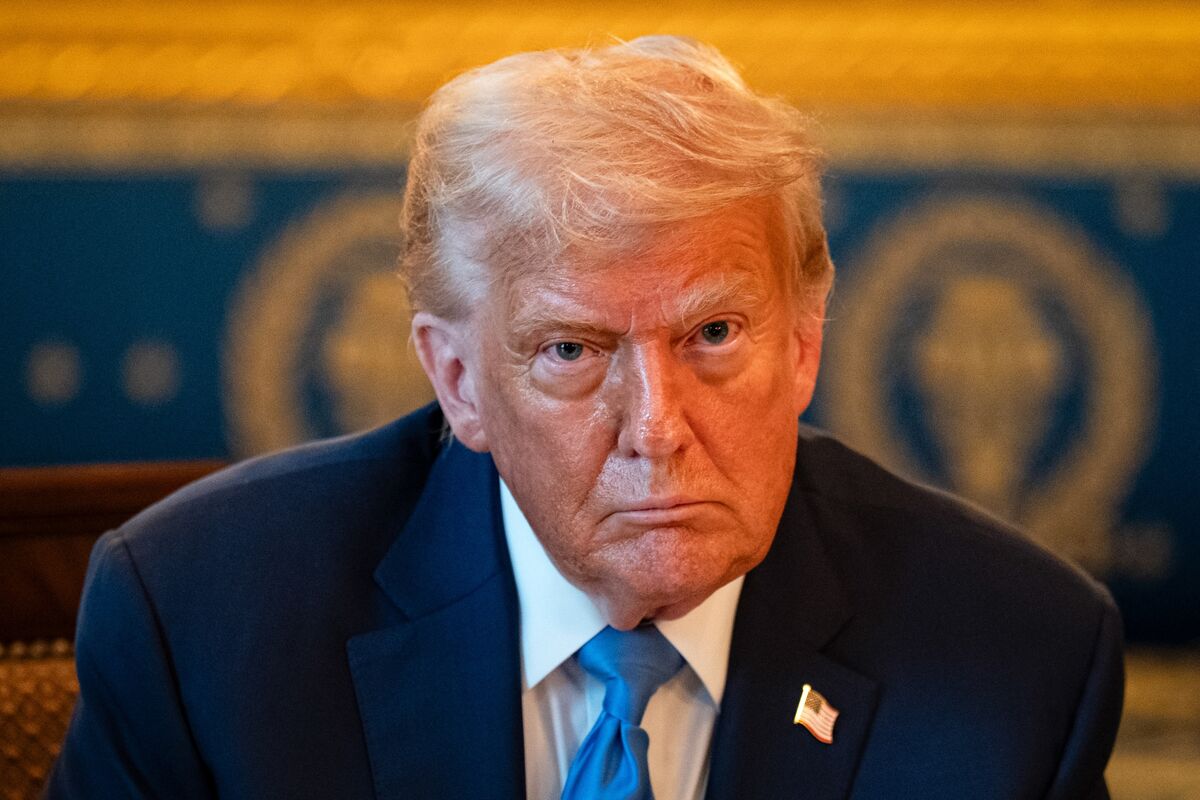
Donald Trump has threatened the imposition of universal trade tariffs, specifically proposing a 35% levy on Canada while also indicating similar measures for other key trading partners, including the European Union. This protectionist stance has already elicited a response from Brazil, with President Luiz Inacio Lula da Silva asserting the nation's capacity to operate independently of U.S. trade and seek alternative global partners, signaling potential shifts in international trade relations.
Recent statements from Donald Trump signal a significant escalation in protectionist trade policy, centered on a threat of universal levies and a specific 35% tariff targeting Canada. The anticipated communication with European Union members suggests this is a broad-based strategy rather than an isolated action. This development, characterized by a high market impact score of 0.8 and strongly negative sentiment, introduces substantial uncertainty into global trade dynamics. The immediate reaction from Brazil's President, asserting the country's ability to pivot away from U.S. trade, indicates a potential realignment of global supply chains and trade partnerships as nations may seek to reduce their dependence on the U.S. market. The themes of "Tax & Tariffs" and "Trade Policy & Supply Chain" are paramount, as such policies could lead to retaliatory measures, disrupt established logistical networks, and increase input costs for a wide range of industries, thereby fueling inflationary pressures and dampening global economic growth.
AI-powered research, real-time alerts, and portfolio analytics for institutional investors.
Request DemoOverall Sentiment
strongly negative
Sentiment Score
-0.60
