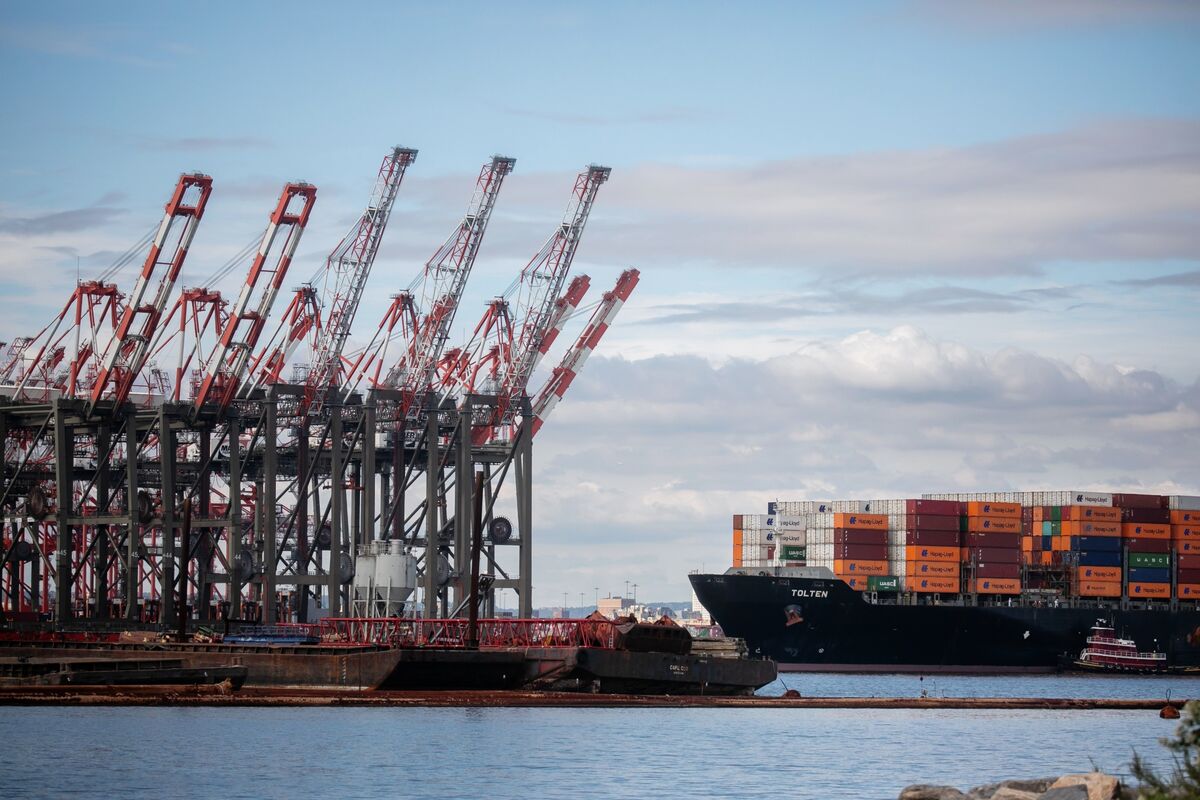
The Trump administration reports that tariffs generated nearly $30 billion in July, contributing to a significant increase in the average US tariff rate from just over 2% last year to 15%. A key question for economic analysis remains who is ultimately bearing the cost of these reciprocal tariffs.
The implementation of reciprocal tariffs by the Trump administration has caused a substantial shift in US trade policy, marked by an increase in the average US tariff rate to 15% from just over 2% in the preceding year. This policy has had a direct fiscal impact, generating nearly $30 billion in revenue in July. The central uncertainty for investors and economists, however, is the economic incidence of these tariffs. The critical question remains whether the cost is being borne by foreign exporters, absorbed by US importers which would compress corporate margins, or passed through to end-consumers in the form of higher prices. Determining where this burden falls is essential for forecasting impacts on corporate earnings, inflation, and consumer spending.
AI-powered research, real-time alerts, and portfolio analytics for institutional investors.
Request DemoOverall Sentiment
neutral
Sentiment Score
0.00
