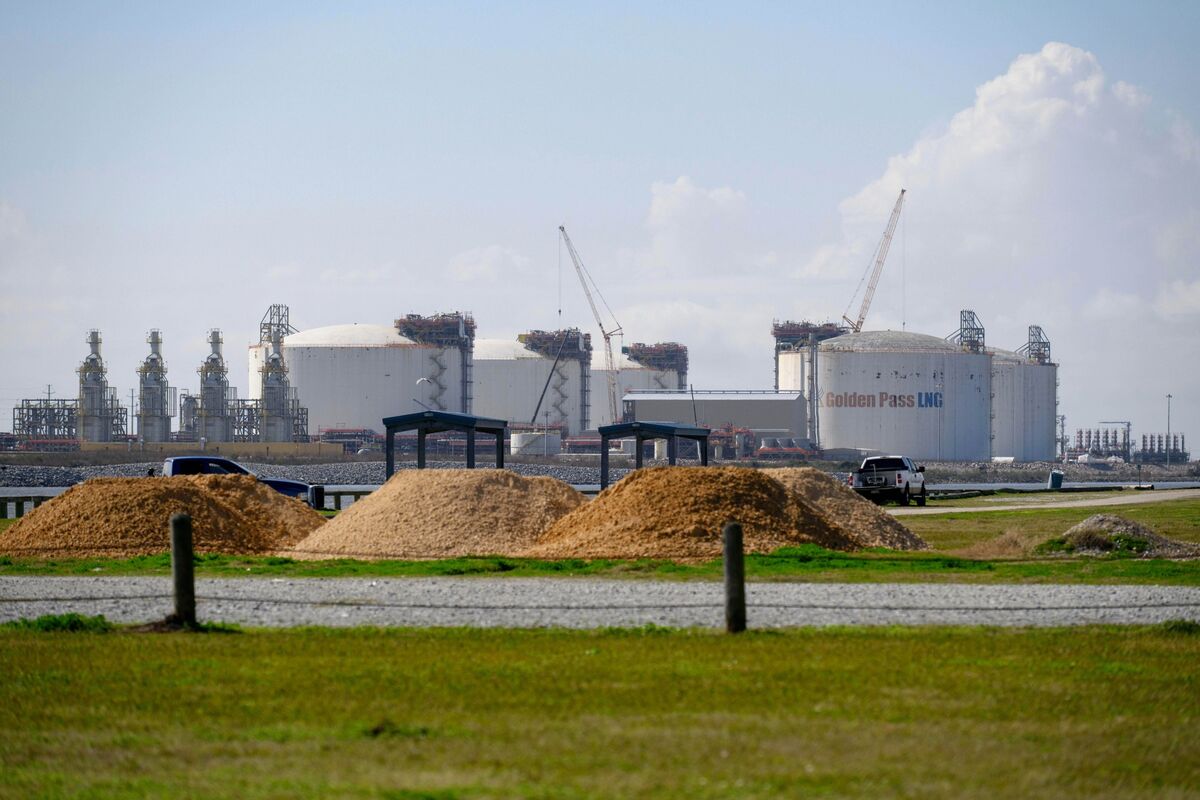
Golden Pass, a US LNG export complex owned by QatarEnergy and Exxon Mobil near the Texas–Louisiana border, remains in startup mode, delaying an expected new source of supply. Iran’s strikes on Qatar’s Ras Laffan damaged one of the world’s top exporters and have sent LNG prices in Europe and Asia sharply higher, raising the risk of an energy squeeze for import-dependent countries and disappointing traders who had expected quicker progress at Golden Pass.
Liquidity in global gas markets is brittle: delivered price moves are driven more by marginal shipping and charter cost moves than by production curves, so a $20/tonne swing in freight can translate to $3–5/MMBtu at destination within weeks. That mechanism amplifies short-term price spikes and forces mark-to-market pain for leveraged buyers, making storage and credit lines the active constraint rather than physical reserves.
On the supply side, ramping incremental export capacity faces serial bottlenecks — feedgas pipeline nominating, compressor availability, and seasoned commissioning crews — which typically stretch a theoretical capacity increase into a multi-month operational ramp. Expect material slippage risk into a 2–6 month window; until those constraints are cleared, spreads (front-month JKM/TTF vs Henry Hub) will remain structurally wider than forward annualized basis suggests.
Key catalysts that could reverse the current premium sit clearly outside production: (1) rapid re-opening of transit corridors or a diplomatic ceasefire that reduces insurance and freight premia, (2) a mild winter or accelerated fuel‑switching to coal in Europe that erodes prompt demand, and (3) forced destocking by financially stressed buyers leading to a short-term dumping of cargoes. Any of these can compress the prompt premium within 30–90 days and produce sharp, mean-reverting moves.
The consensus is underweighting the convexity of shipping and credit stress: prices can spike much higher intraday but also unwind faster once cash buyers are forced out or alternative fuels compete. That argues for position structures that capture skew (calls) or front-month spread exposure rather than outright long physical exposure financed with leverage.
AI-powered research, real-time alerts, and portfolio analytics for institutional investors.
Request DemoOverall Sentiment
mildly negative
Sentiment Score
-0.30
Ticker Sentiment
